


nail tech
-
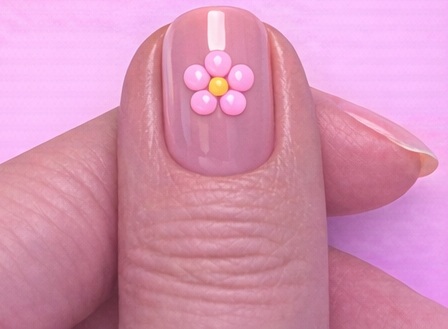
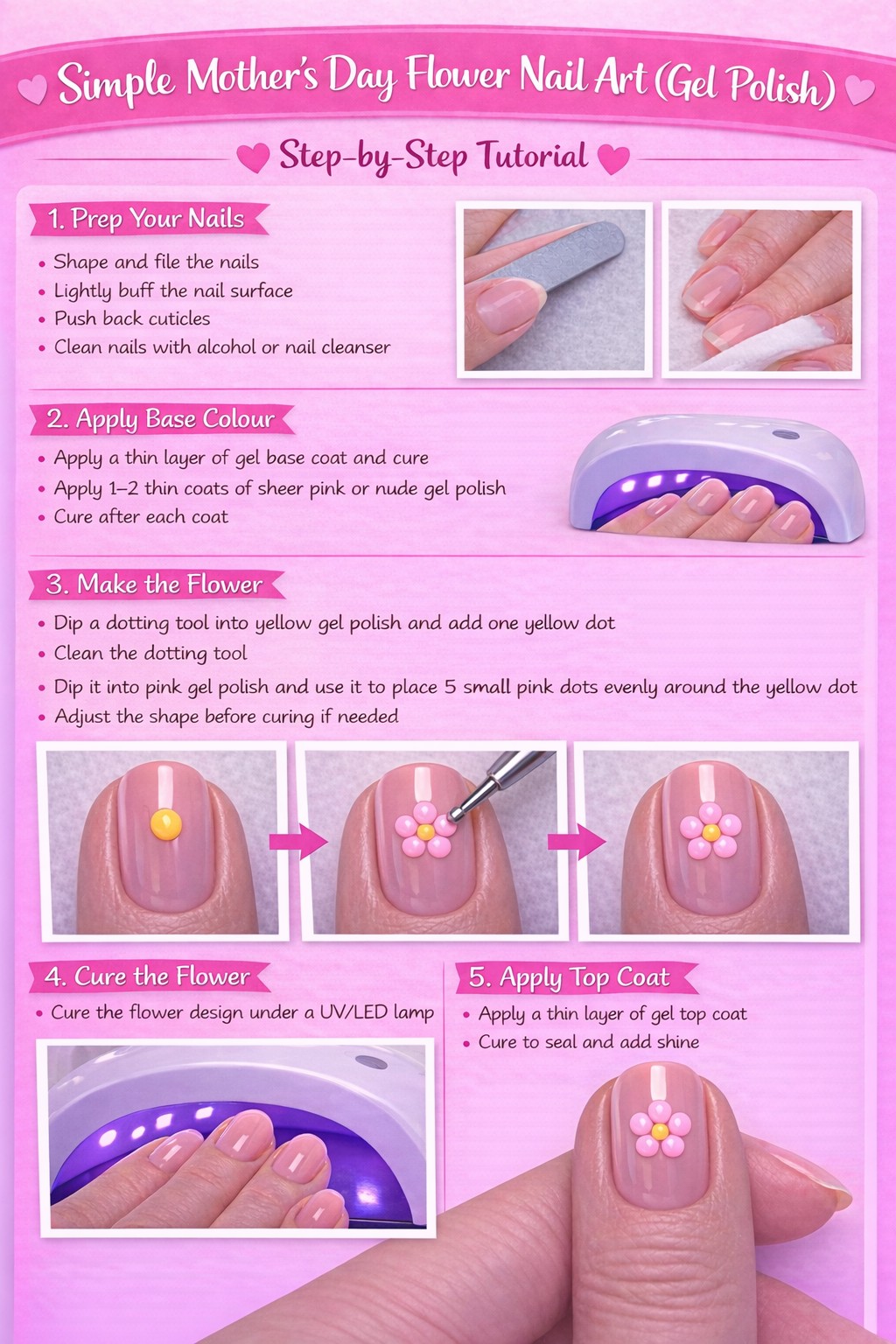
Simple Nail Art to Adore this Mother’s Day – How To
Our fabulous tutor Karen who teaches at our Birmingham Academy has put together this beautiful, quick and simple nail art design that is so effective and a great add-on for your nail client’s this Mother’s Day, even perfect for Spring! Or maybe pamper yourself, just to get people talking and give a great opportunity to convert someone you meet into a new nail client! -
What is the best treatment for perfect, soft feet this winter?
The colder months are edging closer and more clients may be looking to pamper their feet either to return skin and nails to tip-top condition after a summer of sandals; or they may be looking ahead to party season! Many treatments include heat as part of the pampering service, which are also great for joints and relaxation in the colder months. We cover the top treatments for perfect feet all winter long…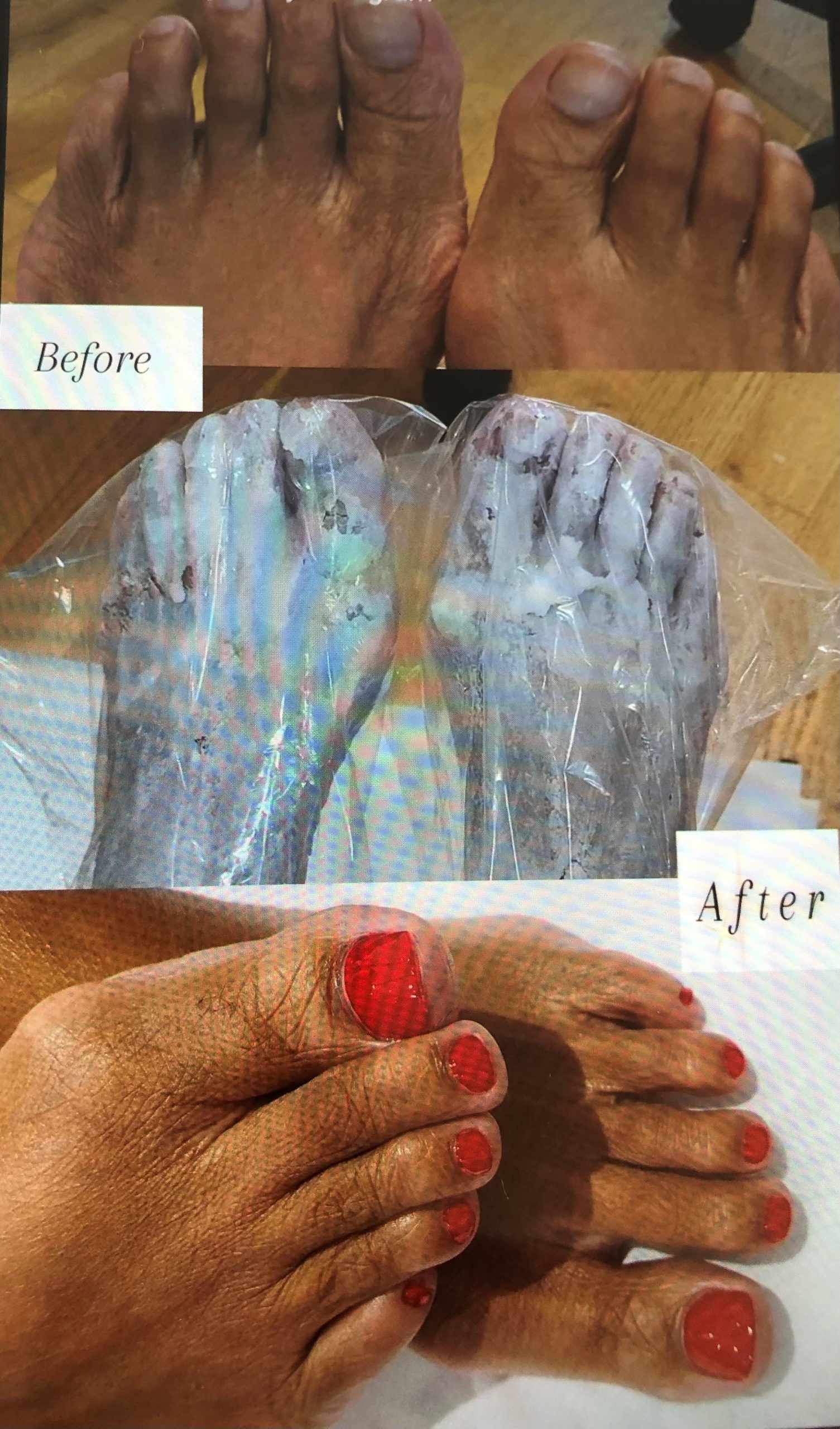
Pedicure with Luxury Aspects
If you’re new to nail or foot treatments, you may wish to begin your learning with our Manicure & Pedicure Course which also covers luxury aspects like mask with heated booties and use of warm paraffin wax to help soften and relax the feet. You’ll also learn to improve the condition of the nails with cutting, filing and cuticle work included in the course.
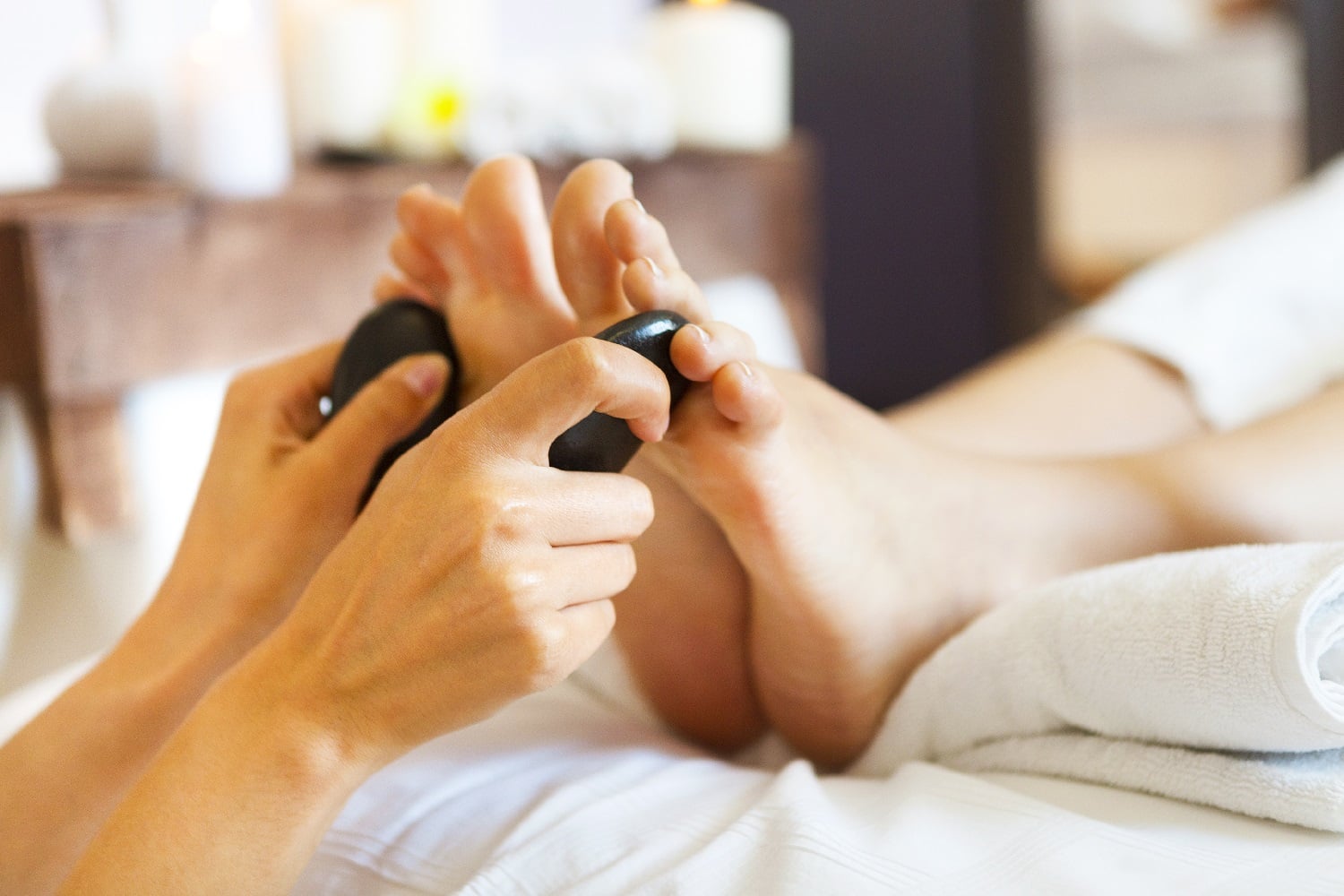
Hot Rocks Pedicure
The ultimate in relaxation and pampering, this treatment combines the use of warmed basalt stones (hot stones) to help improve absorption of nourishing products and to relax aching joints. The warming sensation also helps boost blood and lymph flow to encourage healthy skin and nails.
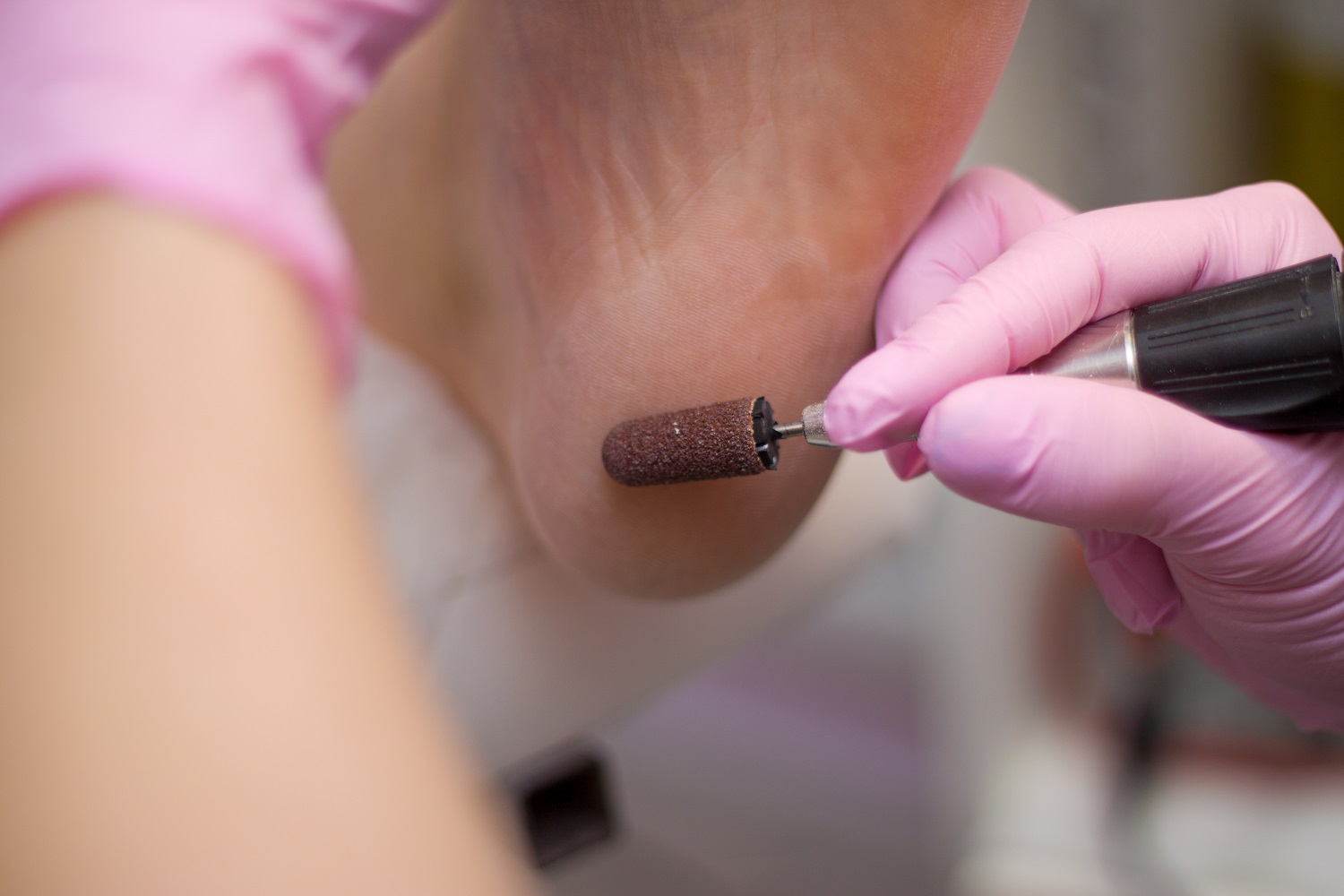
E-File Pedicure
Cut down your treatment times both for convenience for your clients but also to boost your earnings, introduce the use of e-file into your pedicures. Not only does use of e-file give impressive results on areas of hard or callused skin on the feet, but it is also very comfortable for clients (no more scratchy foot rasps)! An ideal treatment for anyone who offers nail services or even for holistic therapists / reflexologists to add-on to their foot treatments.
Gel Polish
Finish your foot treatments with a long lasting, high shine polish. Learn to provide gel polish treatments to keep clients happy for weeks and have them coming back to you regularly for maintenance (gel polish requires professional removal after 2-3 weeks).
Our accredited courses will allow you to learn the skills to be able to offer a full range of pedicure services to meet the needs of your clients. All courses are fully insurable on completion allowing you to start your own beauty business or add the treatments into your existing business.
-
Working Safely with Gel & Acrylic Nail Products to Minimise the Risk of Allergic Reaction
A BBC report launched on 14th April 2023 highlighted a very important issue for the Beauty Industry around the dangers of products used without correct training or awareness of the ingredients of gel nail products. Understandably the launch of this report has caused panic and concern for many nail technicians, but also for many consumers who regularly receive nail treatments from nail technicians using gel nail products. Here at The Beauty Academy, we wanted to address any concerns for those who have trained with us or who are considering training with us within nail technology. We are proud to be a part of ensuring this industry can continue to grow safely, with our courses helping to contribute highly qualified, confident, and knowledgeable Nail Technicians to the UK Beauty Industry.
The BBC reported that the government’s Office for Product Safety and Standards is investigating the growing numbers of people developing life-changing allergies to some gel nail products. In a statement it said: “All cosmetics made available in the UK must comply with strict safety laws. This includes a list of ingredients to enable consumers with allergies to identify products that may be unsuitable for them.”
The BBC report stated that “though most gel polish manicures are safe and result in no problems, the British Association of Dermatologists is warning that the methacrylate chemicals – found in gel and acrylic nails – can cause allergic reactions in some people.”
Allergies are by no means a new issue and certainly not unique to the Beauty Industry, although much of the increase in reactions to gel nail products specifically occurred following Covid-19 related lockdown where many took to the use of DIY home nail kits to implement ‘self-care’ while salons were closed. With the cost-of-living crisis further driving many to seek to cut costs including spending on health and wellbeing, such as beauty treatments in-salons, the number of people using home use nail kits is now at an all-time high.
Dr Deirdre Buckley of the British Association of Dermatologists urged people to stop using DIY home kits to treat their nails. The BBC report highlighted those allergies “often occur when gels and polishes are applied at home, or by untrained technicians.
Some people have reported nails loosening or falling off, skin rashes or, in rarer cases, breathing difficulties following single or prolonged use of some gel nail products. Allergic reactions can leave sufferers unable to have medical treatments like white dental fillings, joint replacement surgery and some diabetes medications. This is because once a person is sensitised, the body will no longer tolerate anything containing acrylates.
Dr Buckley told the BBC, “If people are determined to continue with acrylate nail products, they should get them done professionally.”
The BBC report expanded “formulation of gel polishes do differ; some are more problematic than others.” The founder of the Federation of Nail Professionals, Marian Newman stated “people that buy DIY kits and do gel polish nails at home, please don’t. What should be on the labels is that these products should be used by a professional only.” Furthermore, she noted, “one of the most recognised allergens is an ingredient named Hema. To be safer, find someone who uses a brand which is Hema-free, and there are plenty of them now. If you understand what to look for, it is safe.”
Hema, also known as hydroxyethyl methacrylate, is considered the number one allergen in nail products. The hydroxyethyl methacrylate monomers polymerise the polish, setting it hard and giving it the desired ‘shiny’, long lasting finish. Advancements in technology and product chemistry has meant many gel and acrylic nail product brands are now able to produce the same desired results from their products with vastly reduced amounts of Hema within their products, or even with entirely Hema-free formulations being launched. Hema-free gel polish formulas do not include the tiny Hema molecules that can enter the skin and cause allergies. Instead, they may contain larger molecules that do not penetrate the skin and are not reactive under UV/LED light.
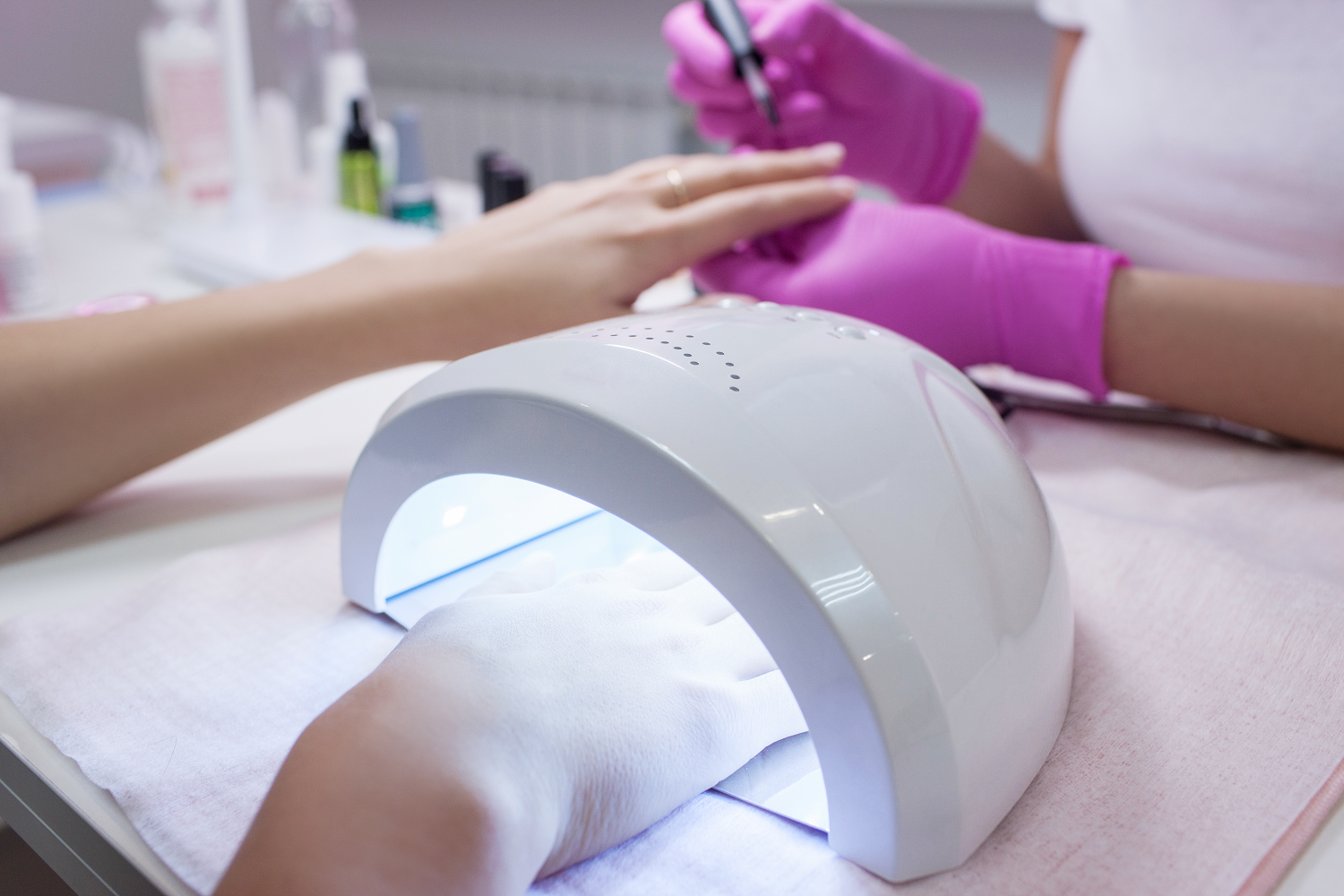
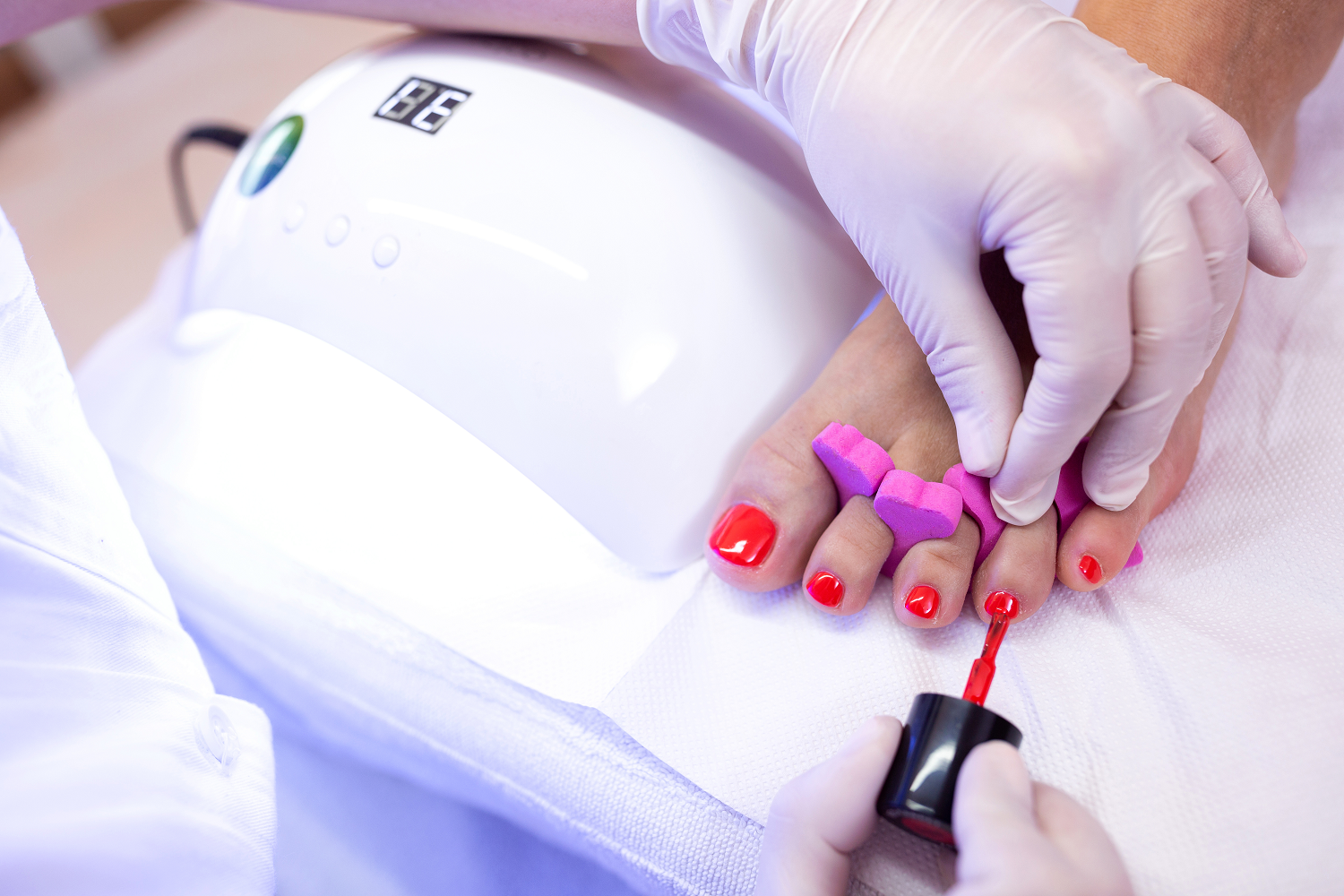
Gel nail products, unlike traditional air-drying nail polish products must be dried or ‘cured’ under a UV or LED light for the correct amount of time to ensure the product has hardened fully. Not all nail lamps will fully or correctly cure all gel nail products. The lamp must be at the correct wattage or light wavelength or the acrylates (the group of chemicals used to bond the gel to the natural nail), do not dry properly, penetrating the nail bed and surrounding skin, potentially causing irritation and allergies.
There are many steps which can be taken by a trained nail technician to help minimise the risk of an allergic reaction occurring or developing over time through repeated exposure, and it is important to be aware of these and communicate these steps clearly to reassure your nail clients that you are taking every possible precaution to keep both themselves and you safe!
- Use Hema-free products wherever possible.These are ideal for those who have sensitive skin/nails, known nail product allergies or are at risk of allergy due to overexposure to Hema-containing nail products. Purchase products from a trusted, professional source ensuring they are tested to EU standards to ensure safety.
- Use the correct nail lamp for your system. Undercured gel product is the leading cause of gel nail product allergies. Lamps should be matched to the system you’re using to ensure a full cure. If you cannot afford to have multiple lamps for the different brands of products you stock, simply cut back and focus on having the full product line and corresponding lamp as recommended by the gel brand manufacturer to match your gel products. Also ensure your lamp remains clean inside, wiping any remanent product from the sides / UV bulbs or LED diodes to ensure your lamp works as expected.
- Use the full brand of products. Do not mix and match your products within treatments, make sure your base, colour and topcoats are all from the same brand / manufacturer and cured using the recommended lamp for the brand. With acrylic products, ensure you are using monomer (liquid) with the same brand of acrylic powder. Products are tested rigorously by the manufacturer for safe and effective results when used together.
- Do not touch uncured products. Product on the skin can leads to allergies, whether that occurs through shaping a gel or acrylic brush with your fingers, wiping product off the skin with your finger, touching skin around the nail with your nail brush during application, applying too much product so this overflows the nail plate into nail folds, or leaning on the tissue where you’ve wiped excess product. Liquid tape can be used around client’s nails if concerned about product getting onto client’s skin. Take care when removing the tacky inhibition layer on gel to avoid touching this or wiping onto client’s skin.
- Perfect your powder to liquid ratio when working with acrylic. Monomer liquid can contain Hema. Ideally use Hema-free monomer liquid (see suggested brands below) but it is also important to ensure you are effective with your acrylic bead ratio as applying a bead of acrylic that is too wet will not cure correctly and may mean product spills over onto the skin increasing risk of allergy. Also ensure your bead size is not too large, work to the 3-zone technique.
- Protect yourself. Good quality, nitrile gloves that are at least 8mm thick are essential for nail technicians working with gel and acrylic products. This helps keep your skin free from repeated exposure to products on your skin. Gloves should be changed after every client. Wash hands before and after every treatment. Clients should be given hand sanitizer to cleanse hands at the start of treatment, then advised to wash with soap and water immediately after treatment to remove any potential stray product. Many nail techs wear a face mask, such as a KN95 rated mask as these are tested to prevent dust, chemical and particle inhalation.
- Keep your workspace clean and dust free.Wipe over the nail desk after every client using a damp microfibre cloth to help collect any dust (ensuring you wear gloves) and then sanitise using usual antibacterial sprays. Any couch roll that has been used to wipe excess product onto should be placed in a lined pedal bin (with lid) and the bag disposed off after every treatment. Salon ventilation is essential so that dust and vapours in your working area are extracted, or pass through a three-stage filter system, such as a source capture system.
- Patch Testing. You might think it wise to patch test nail products, however given that nail products containing methacrylate are not intended to go on the skin, it is not advisable to carry out any kind of patch testing as this can lead to unnecessary skin exposure to products. Given this, it is better practice to simply ensure you are working safely and avoiding skin contact with every nail treatment than trying to devise a patch testing process.
Summary
Gel and acrylic nail treatments can be considered perfectly safe provided they are carried out by a professional, trained nail technician using professional use nail products from a reliable source, where tested to EU standards. Precautions should be taken to ensure risks are minimized to avoid contact with uncured products on the skin and ensure products are used safely to manufacturer’s recommendations and with the correct lamp for full curing.
It is important to ensure your knowledge and skills are completely up to date to ensure you are following industry best practice on the safe application of gel and acrylic nail products. If it has been some time since your training, you may wish to update your skills with our online or classroom courses to boost your confidence.
By visibly demonstrating confidence in your safe practices, being seen to go above and beyond to keep your clients safe; they will be reassured to continue receiving their favourite nail services. You may wish to produce a salon policy outlining the steps you take to minimise risks of gel nail product allergies, to help promote the professional services you offer.
It is fantastic news that the government is working towards better standards and awareness within the beauty industry for the safety and benefit of all!
-
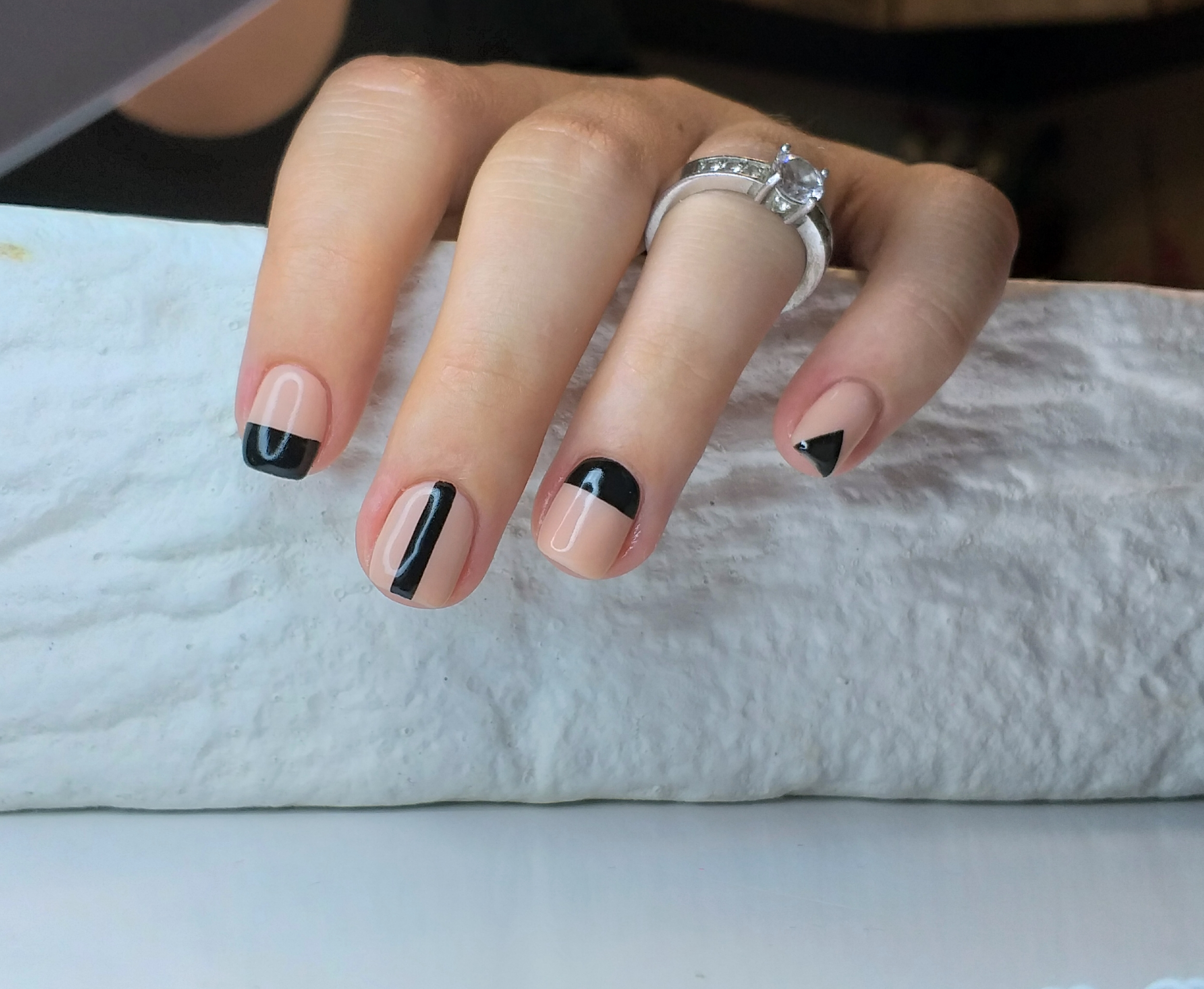
Top Nail Trends for 2021
The catwalks may have been digital this autumn, but the trends for spring 2021 are out including all the latest predictions for top nail trends for next year. Get ahead with practising your nail art skills and updating the polish shades within your kit, ready to promote your nail services as one step ahead of other nail techs and set your work apart from the competition. Eye catching nail polish shades and distinctive nail art can be real conversation starters and get word of mouth out about your work so don’t miss out…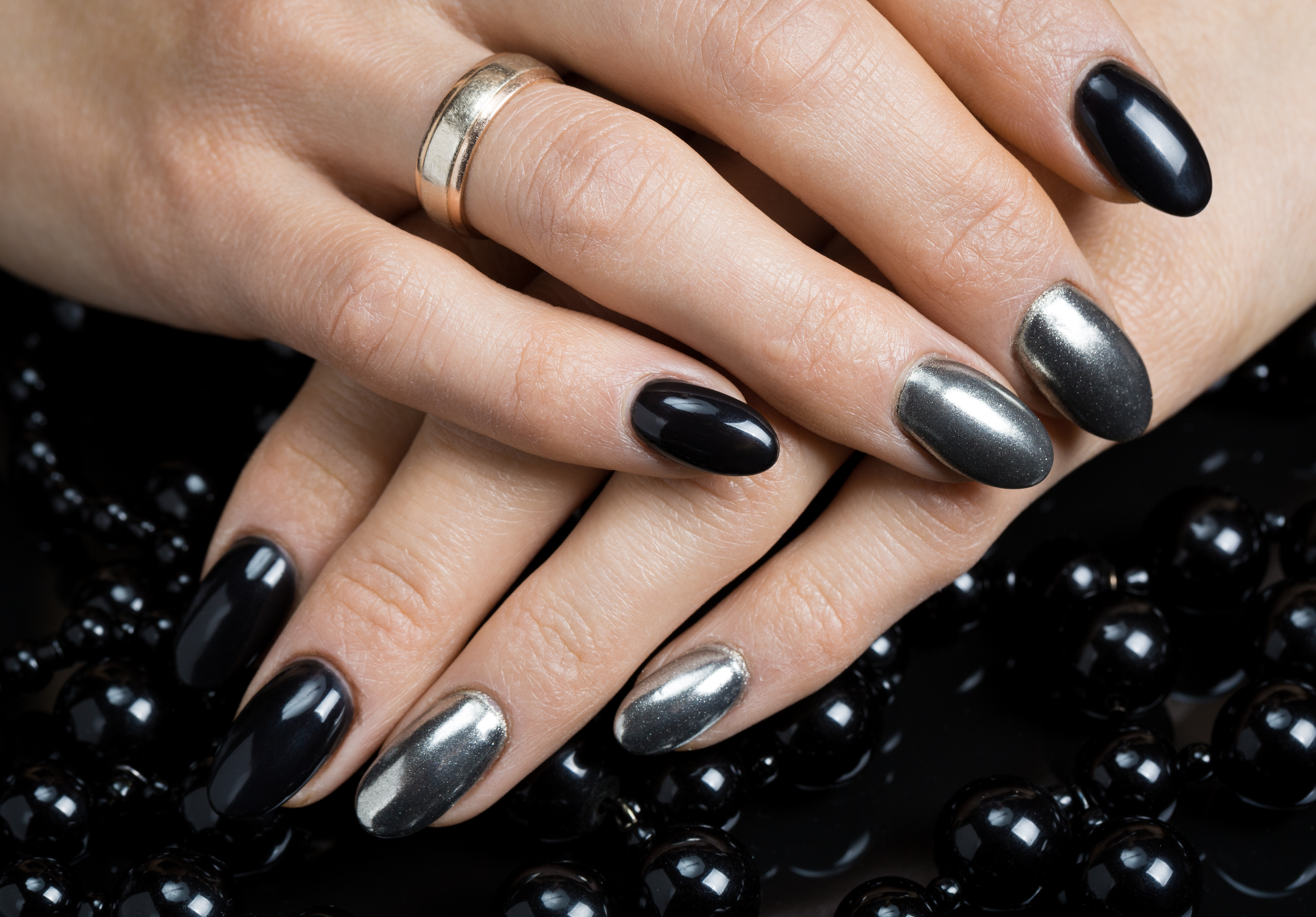
Nail Shapes
- Short, natural nails – there has been a shift following lockdown towards more natural, lower maintenance nail lengths and we expect to see this continue into 2021.
- For those nail extension fans, fashion is moving away from the almond and pointy shapes of 2020 towards stronger, squarer styles. Think squared off ballerina nails, squoval or straight up square for a more modern look.
Nail Colours & Nail Art
- The metallic trend remains strong with silver nails created using matte finish polishes, quick dip and glitter infused acrylic powders and pressed glitters for everything from shimmer to high shine chrome finishes that will certainly be popular into the festive period and beyond.
- Bubblegum pink is set to be HUGE in 2021, better yet if matched to pink lipstick of a co-ordinating bold statement.
- Emerald green, especially when combined with graduated glitter or contrasting metallics like copper or rose gold will be everywhere in spring.
- Vibrant shades of blue from royal blue to pastel blues.
- Matching your nail shade to your face mask has also been an emerging trend that may continue into early 2021.
- Natural nudes from beige to barely there pinks. The classic french tip over clear polish is also another more natural look growing in popularity. Negative space florals over nude shades or clear polish will also be another big look for Spring 2021.
- Dark brown shades, especially when combined with tortoiseshell or cow print nail art will be a popular look for Autumn/Winter 2020 and into next year. Animal print in general will also be making a return to favour with leopard prints being a strong contender on nails.
- Punk inspired looks from dark black and purple hues will be appearing towards Christmas and into the New Year. Overlaid with chunky crystal embellishments or gold leaf foil over a dark polish will be a key look. Monochrome will also do well over the next 6 months with black and white, nudes and silver touches expected to be in demand.
- Geometric nail art continues to be a popular style with everything from patterns on just the tips to a ‘feature’ ring finger alongside neutral shades. Think linear designs in bold colours against softer, muted or pastel shades.
- Quirky takes on classic French from a rainbow collection of pastel shades on nail tips only to glitter fades from free edge to centre of the nails. French will be back in a big way so now is a great time to start revisiting your skills in creating crisp smile lines.
Instagram inspired Nail Art for the brave…
- Seashell nails as inspired by LA based nail artist Bana have been a huge hit on Insta. The look appears complicated but is actually very simple to create and certainly a talking point design for more open minded clients.
- Rainbow nails with a plethora of colour or ‘anything goes’ nail art that is different on every nail will be very popular with celebrities into the Summer 2021.
- Inspired by famous nail artist Unistella, instagram is on fire with crochet nails – crocheted designs from flowers to stars are adhered to the nail for an ‘out there’ nail look that is not for the faint hearted.
Products emerging…
- Quick nail systems like quick dip powders and gel polish will be huge in 2021 as more clients seek faster appointments that are easier to wear and care for than traditional nail extensions.
- 17-Free products will also become much more readily available and sought after as more clients become conscious of the products they are using on their nails and seek healthier options.
- Vegan friendly products will also grow in popularity in 2021 as more clients seek more ethical and conscious product choices.
Need to update your nail skills? Explore our Accredited Classroom based & Online Courses to get savvy and all set to take 2021 by storm…
-
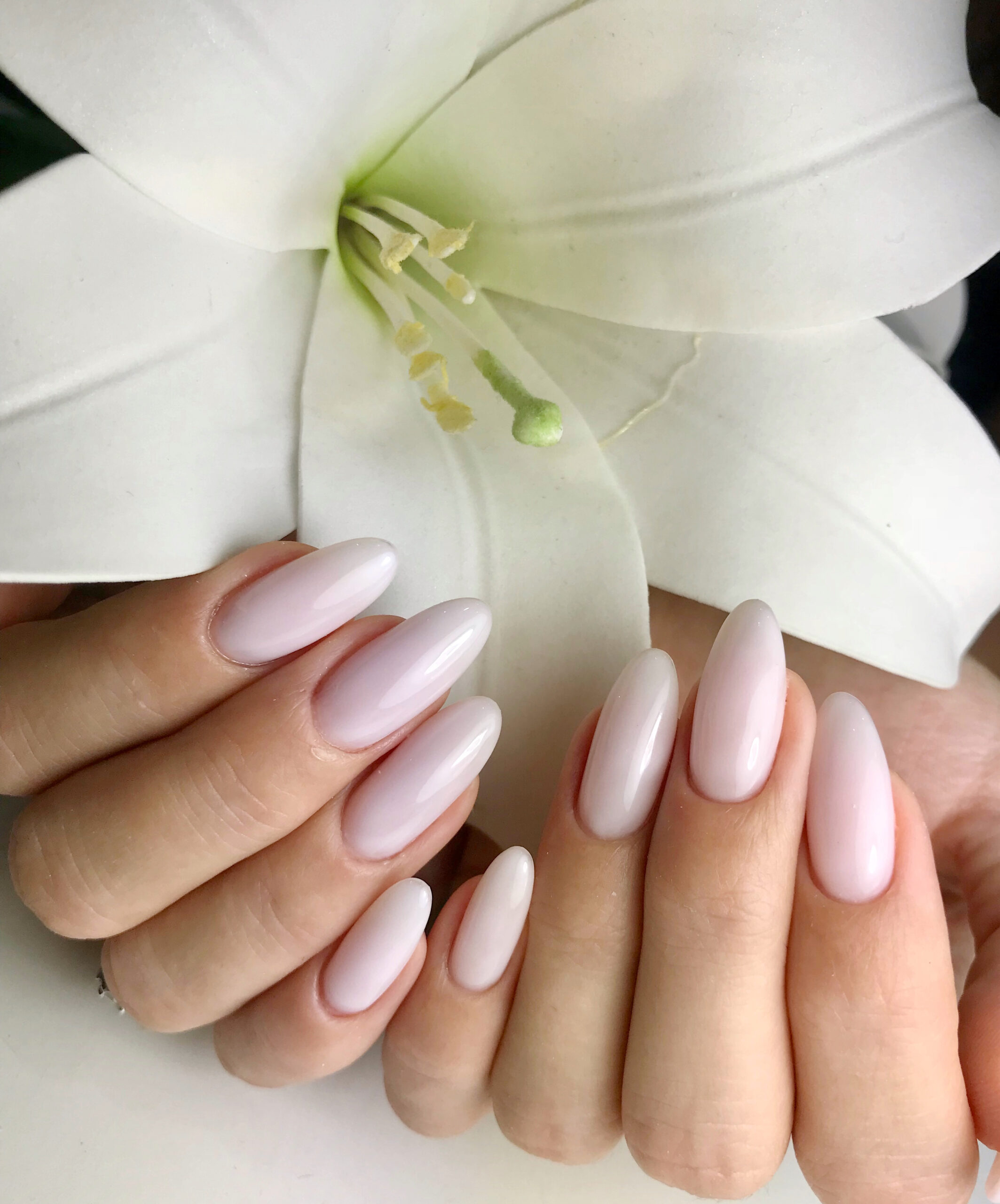
Sculpting your Dreams
Once you’ve mastered the basics of working with acrylic to create tip and overlay nail extensions, you will soon want to progress your skills to ensure you are offering the best possible nail service to your clients. Not only will it ensure your clients are dazzled by the results you achieve and bring new clients in through word of mouth, but you will save yourself time and stand miles ahead of the competition. All simply though learning to sculpt and use an electric nail file. We give you the lowdown on what they are and why you’ll benefit…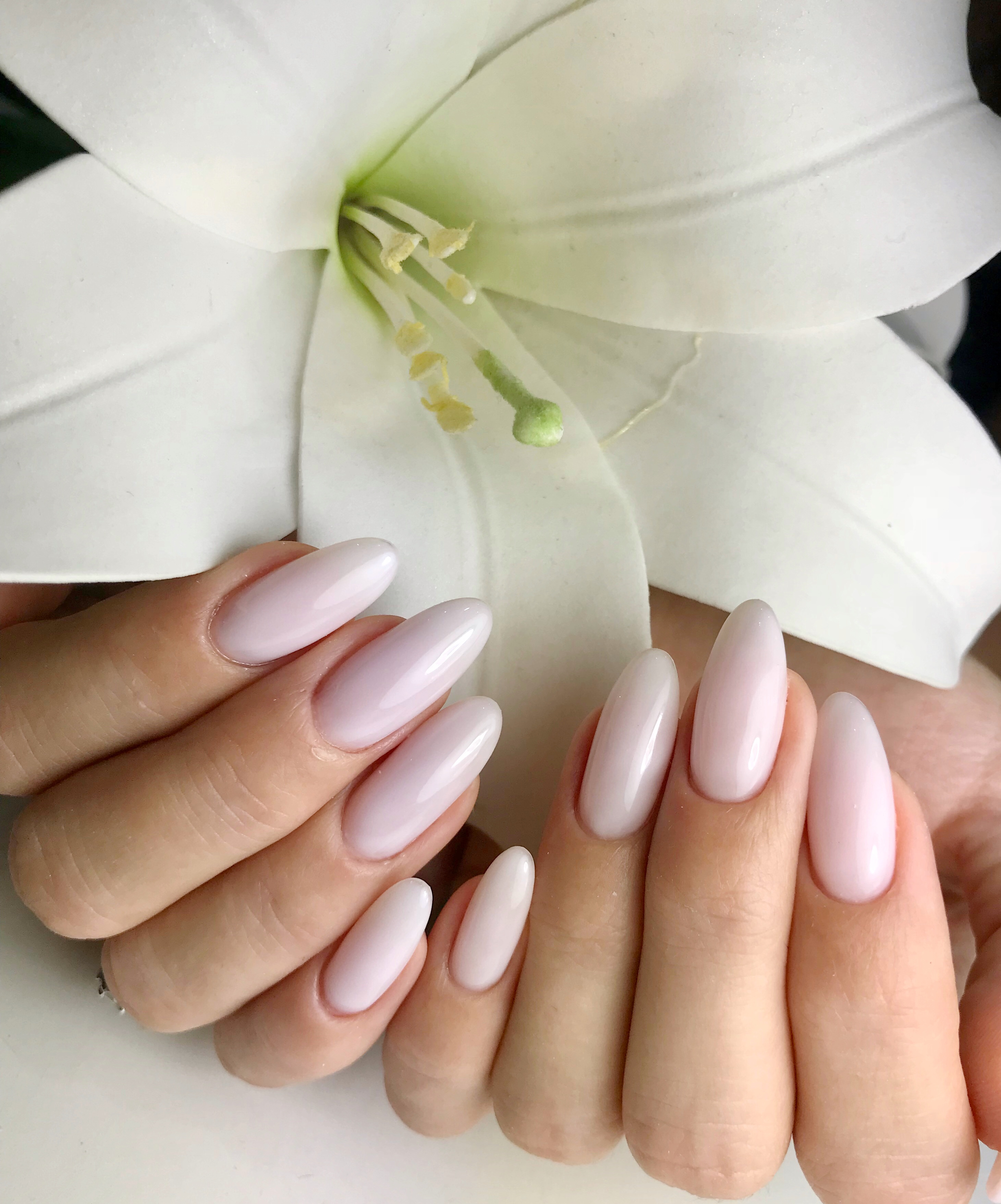
What is Sculpting?
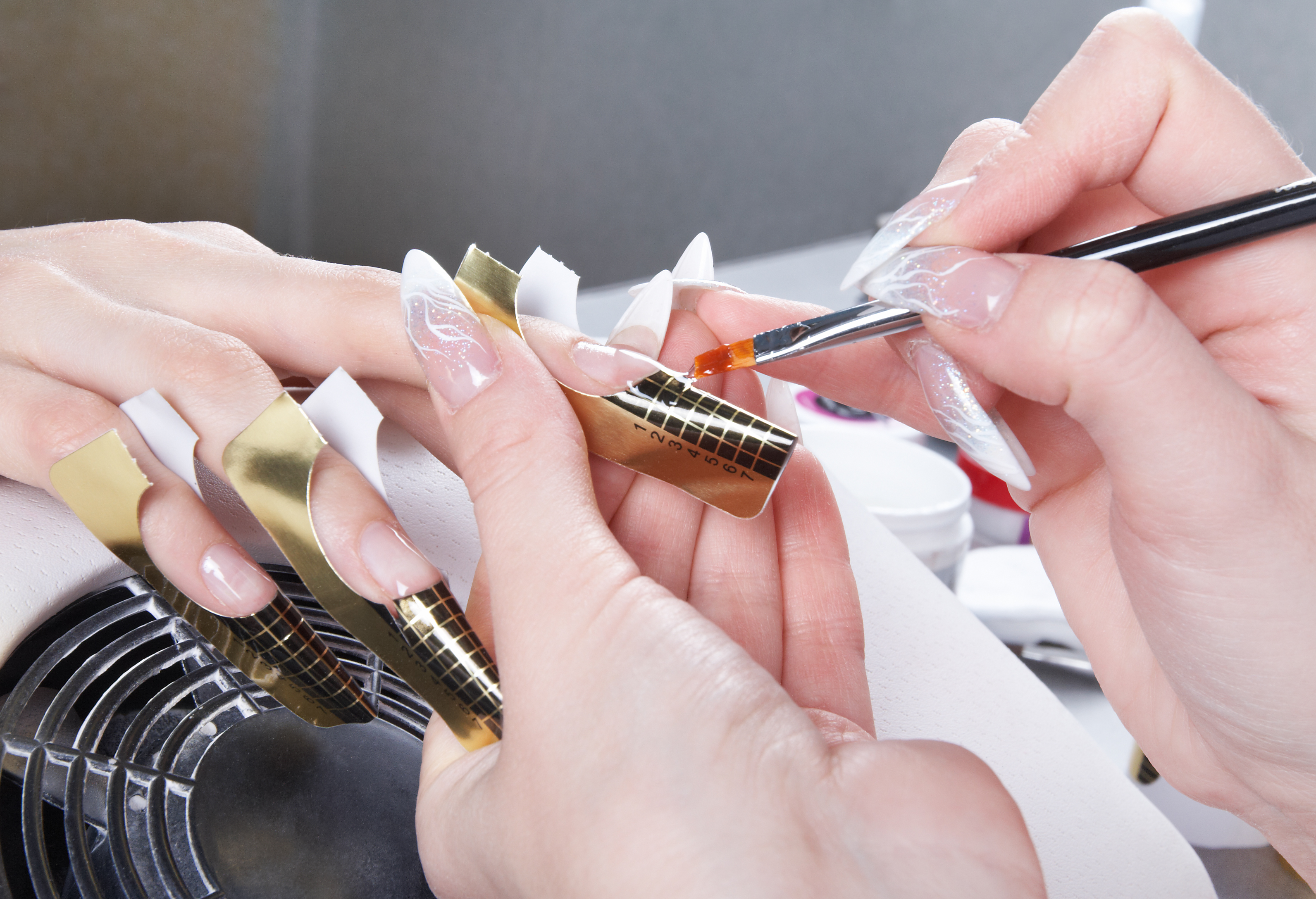
Sculpting with acrylic is a method of creating nail extensions using ‘nail forms’ as a platform to create the tip. This is then layered with acrylic to create a strong but tip-free extension. Traditional acrylic extension involves the use of plastic false tips & glue, overlaid with acrylic on top to give the extension strength. The sculpting technique can be kinder to natural nails as there is no glue, no tip is needed with a sculpted enhancement.
How long do sculpted nails last?
2-3 Weeks
Benefits of Sculpting
- No adhesive to break down over time.
- Can be thinner than with tips as you don’t have the bulk of the tip under the product.
- Once mastered, sculpting is generally faster to apply than a properly applied and blended tip.
- Generally better for nail biters because the moisture in the nails of biters can break down the adhesive and also the thick skin on the edge of a nail biters fingers will often push the tip off the nail or create a “ski jump” look to the nail.
What is an E-File?
An electric file (formerly called a “drill”) is a tool used by nail technicians to speed up, streamline, or make easier some nail services. The electric file allows nail technicians to file or finish areas of the nail that are hard to reach (for example, under the free edge of a newly created sculpted nail)
Are electric nail files safe?
As long as it’s done properly and with the right tools, an electric file on the natural nail can be just as safe as a regular nail file. They can be used to gently push back the cuticle, exposing any dead excess skin which can be more comfortable than use of cuticle pushers.
It’s the tech, not the tool.
E-files often get a bad rep. When we see pictures of rings of fire, nail plate burns, and injured skin we assume it’s the evil e-file at work. In truth, an e-file really can’t do any damage without a nail tech wielding it. The big question is how can nail techs learn to use an e-file properly? Well, it’s much like learning to drive a car. It takes proper instruction through an accredited course and careful practice. You’re going to have an accident here and there, especially in the beginning, but the goal is to learn and improve.
Benefits of E-Filing
- Reduces risk of Repetitive Strain Injury (RSI) for the technician as takes the hard work out of filing
- Saves time so technicians can fit more clients in and clients can have quicker, more convenient appointments
- Boosts earning potential as more clients in your working hours equals more money
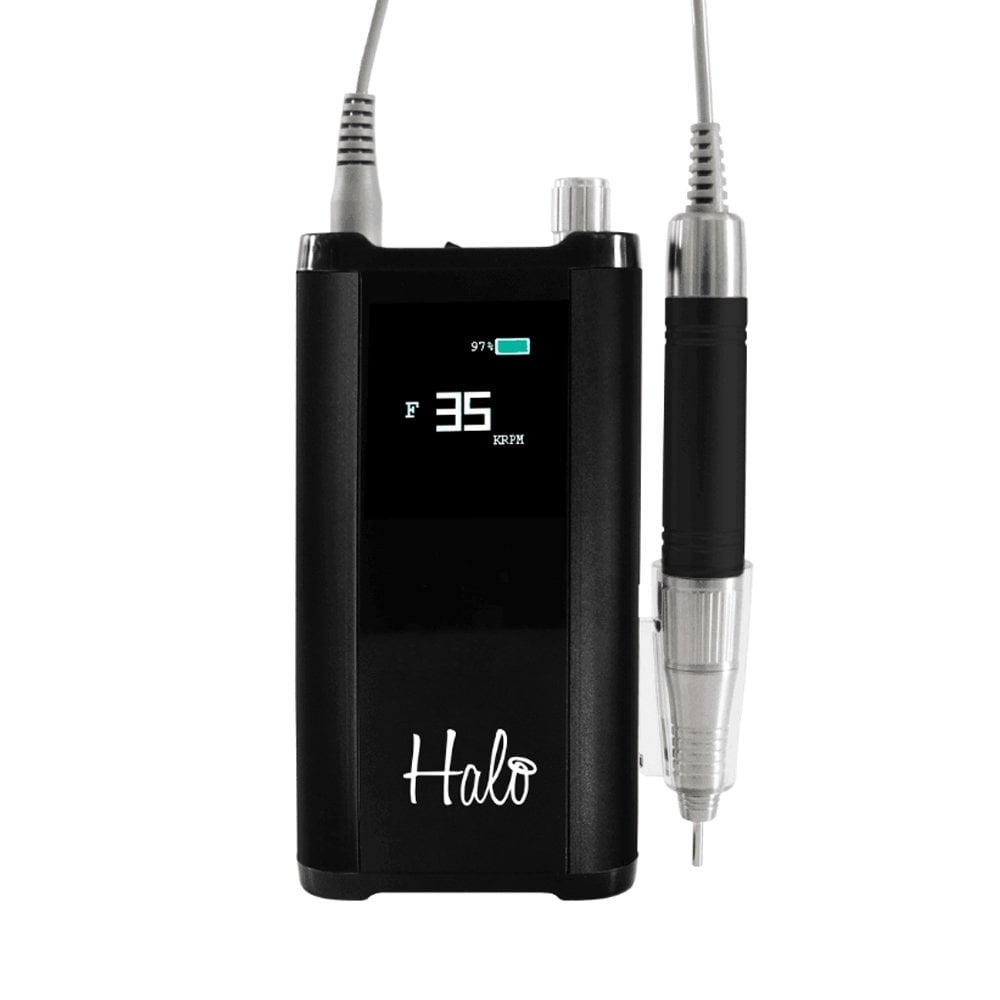
Interested to complete an Accredited Training Course in Sculpting & E-Filing? See below recommended courses. Many of our packages include training in Acrylic if you’re a beginner so you can get the best value on your training!
-
10 Things to Love About Being a Nail Technician ?
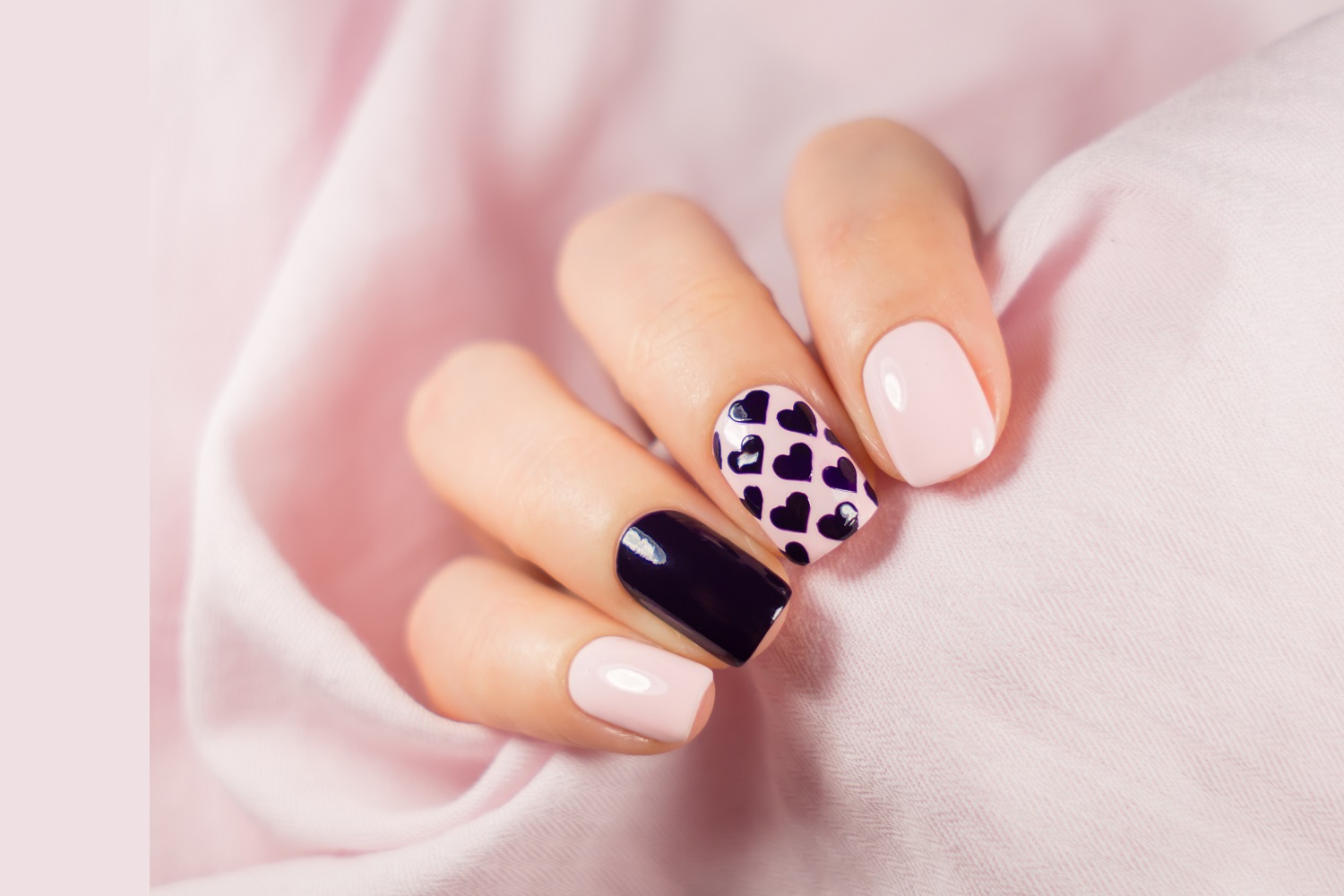
Nail technicians look after, shape and decorate their clients’ finger and toe nails. You’ll use a variety of techniques to provide manicures, pedicures and/or nail extensions. You may be working directly for a salon, or be self-employed. You’ll need good communication skills as you’ll be dealing with a range of clients. If you’re working as a self-employed nail technician, you’ll need good business skills too.
- Client Satisfaction.
Most nail technicians value pleasing their customers above all else.
- Meeting New People
Whether it’s new clients, co-workers or other nail technicians at tradeshows; nail technicians appreciate the opportunity to meet and make new friends.
- Financial Rewards
As a nail technician, we are told you get out of your job what you put into it. If you are dedicated and hardworking, this will show in your earnings.
- Flexible Schedule
How many clients you want to service in a given day is ultimately up to you.
- Challenging Work
No matter how experienced a nail technician you are, every day brings new challenges.
- Personal Satisfaction
For many people, job fulfilment is one of the most important reasons for sticking to their career.
- Continuing Education
Nail technicians have the opportunity to learn more and more skills and techniques every day.
- Creativity
When it comes to nails, you can really exercise your artistic ability and let your imagination run wild.
- Competing
A lot of nail technicians say competing is one of the best extra-curricular activities of doing nails and seeing what your competition is, in the area you live in.
- Just Doing Nails
The bottom line for most professionals is that they simply love doing nails.
Interested in training to be a Nail Technician? Not sure where to start? We have classroom and distance learning (online) options covering all aspects of nail services. Why not take a look at some of our many Classroom Based Nail Courses or Home Study Nail Courses. You can Chat LIVE with our Advisors as you browse to help you find the right course for you. Or why not give our friendly Advisors a call on Freephone 0800 999 2277? All courses are ACCREDITED and FULLY INSURABLE allowing you to begin earning offering your treatments upon completion!
-
Know Your Nails
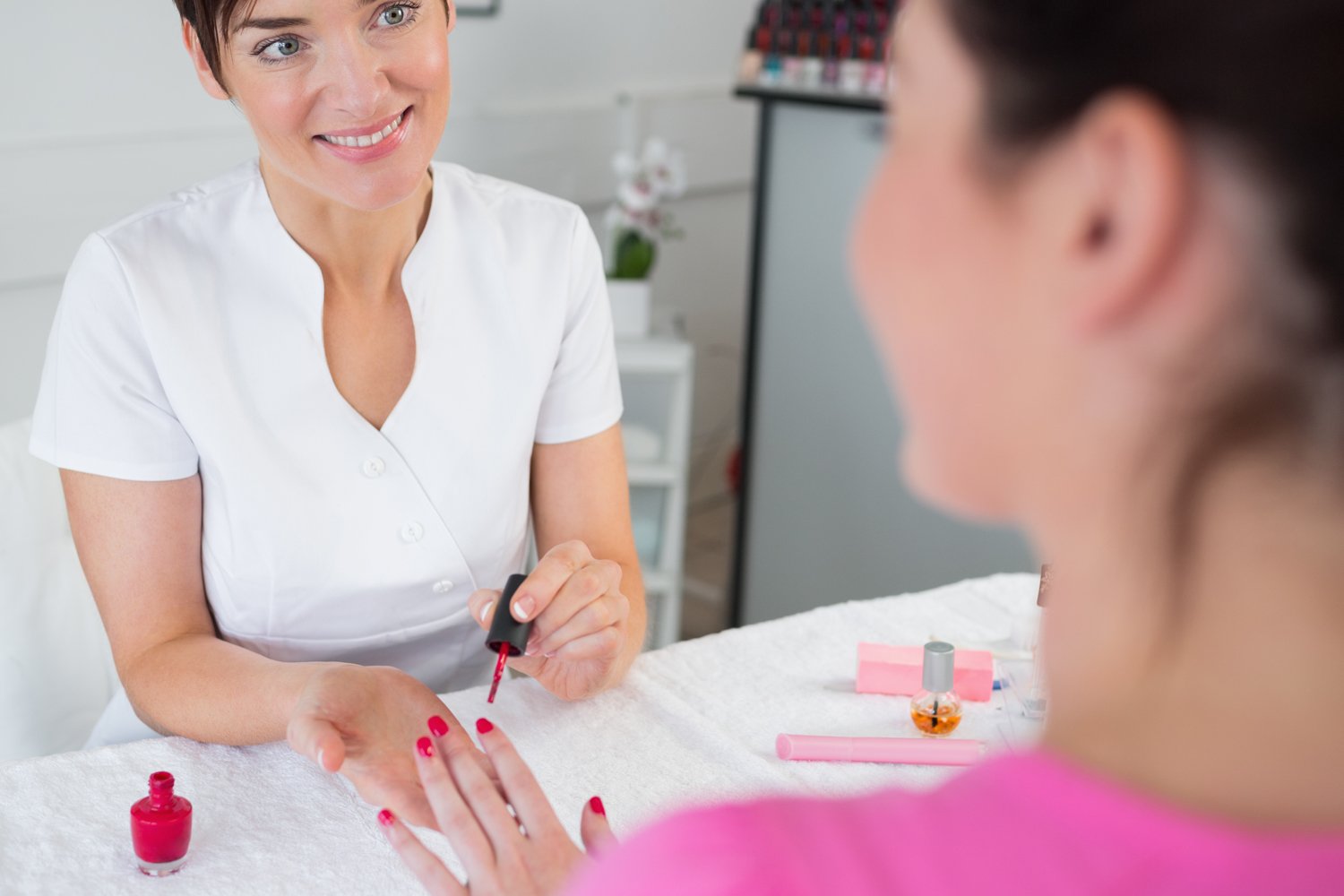
With so many nail treatments to learn, it can be really confusing as to what to offer and why. Our blog breaks down the best nail treatments and the benefits; to help you decide which to learn and to promote them to your clients…The Staple Manicure…
Everyone loves a manicure, fresh and smooth natural nails and skin. All great nail extensions start with proper care of the natural nails so manicures are also great for use following removal of or when on a break from nail extensions. Manicures are great for those trying to grow their natural nails, in the winter months when extreme weather can dry and dull the skin and nails or indeed before a special occasion or holiday. Using basic products and a traditional air-drying polish, you can achieve incredible results although it can take time and repeated treatments to achieve the best results if nails are damaged or particularly dry / brittle. Recommended to be carried out every 3-4 weeks (or more often if traditional polish is applied, which can chip with time and wear).
Main Benefits
+ Suitable for all clients, both male and female and of all ages
+ Less contra-indications to a manicure versus nail extensions and the benefits of improving nail health and growing own nails can outweigh quick fixes with extensions
+ Less cost and upkeep to maintain results versus nail extensions
+ A wide range of traditional, low cost polishes on the market and offer the option to retail for home use
+ Popular all year round, can be enhanced further in winter with luxury aspects such as warm paraffin or heated mitts and mask
The Perfect Pedicure…
A great additional service to provide alongside manicures, caring for the skin and nails of the feet. So many clients have work or hobbies that keeps them on their feet, so it is a popular treatment to offer all year round but especially around holiday season (who doesn’t love fresh polish on toes for the beach) or for weddings and proms. A great treatment to add into your packages, even for those who usually have nail extensions on fingers. Treatments typically take around an hour and are recommended every 3-6 weeks to maintain results.
Main Benefits
+ Suitable for all clients, both male and female and of all ages
+ A great add on nail service for any nail tech to offer as part of packages or as a standalone treatment
+ A great treatment for holistic therapists to offer alongside massage treatments
+ A great way of retailing home use products to maintain the results
+ Popular all year round, can be enhanced further in winter with luxury aspects such as warm paraffin or heated booties and mask
Good Ol’ Acrylic…
It has been around for decades and is one of the most popular nail extension systems in use. Using a powder and liquid applied in combination as a small bead applied to the nail surface, to overlay a false tip to give instant additional nail length and an enhanced look. A full set usually takes around an hour to apply with practice and can last 2-3 weeks before requiring maintenance (infilling the regrown natural nail area and rebalancing the nail shape).
Main Benefits
+ Quick, cheap system to work with. No lamps required to set the nails so great for mobile technicians.
+ Durable, hard-wearing system good for those who want nail extensions but have previous damage to nails such as reformed nail biters, those who do a lot with their hands (horse riders, sports players etc).
+ Lots of acrylic powder colours available allowing the system to be used for creative results or just a classic French look
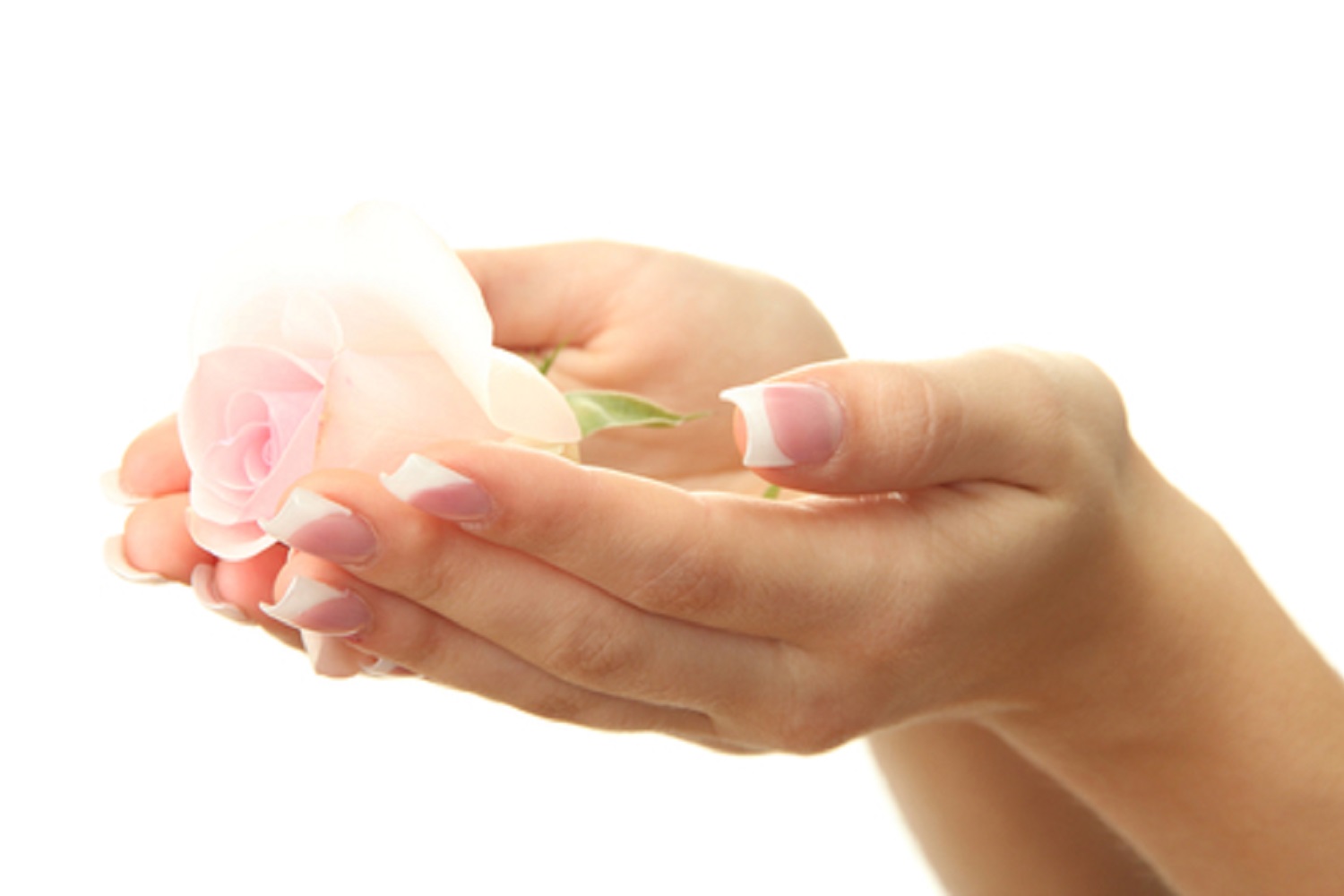
Trusty UV / LED Gel…
A newer system than Acrylic, it has become popular as it offers a more natural looking nail extension system that is also easier to work with (doesn’t air dry, but only sets when you’re ready, when you cure under a UV or LED lamp). Also without the vapour of Acrylic due to light curing so better for those who work in less well-ventilated work areas or mobile within client’s homes. Can be applied over tips to extend natural nails or indeed over natural nails alone to give greater enhanced strength to the nails than say, a gel polish. Typically lasts 2-3 weeks before requiring infill to the regrowth area of the natural nail and rebalancing of the nail shape.
Main Benefits
+ Low odour unlike acrylic so great for mobile use or where ventilation may not be optimal
+ Flexible, natural-looking system that is great for those wanting extensions for special occasions such as weddings
+ Easy to master as system only sets once light-cured allowing you to tweak nails until you are happy with the finish
+ Product is ready mixed in pots so easy to store and transport, less risk of spilling as with acrylic liquid for example. No need to master product ratios unlike with acrylic.
Versatile Gel Polish…
Gel Polish has been around for a while now and is well established, despite being one of the newest nail treatments available. It is quick and easy to learn to apply, with a wide range of brands now available to suit all budgets and in a huge range of colours to suit every client. Gel polish is quick to apply, typically taking only 30-45 minutes to apply to fingers and/or toes and provides a chip-free finish for up to 2-3 weeks. Products go a long way and are dry and ready to go once the topcoat has been cured meaning little wastage making it a profitable treatment. Gel polish should be completely removed around 2-3 weeks after application and either a manicure to refresh the nails or reapplication can be immediate.
Main Benefits
+ Quick, easy to apply
+ Profitable service suitable for a wide range of clients
+ Great for those who want to grow their natural nails and don’t want the hassle of nail extensions
+ Suitable for those who want a more natural look but still a polished finish
+ Long lasting, chip free polish and high shine finish. Allow you to be creative and offer nail art within the gel easily too.
+ Products available for all budgets and price points
+ UV and LED lamps have come a long way, now much smaller so easily portable for mobile nail techs
So there you have it, a brief run down of the most popular nail services available. It’s easy to see how starting with the basics of manicure and pedicure can then lead on to offering either one or both nail extension systems or indeed simply sticking with gel polish. It’s worth noting that gel polish can also be applied over both UV and acrylic nail extensions allowing for a really top class nail finish and extra revenue for nail techs. You can also see how the maintenance required to upkeep nail treatments easily allows you to build a loyal, regular client base. With 1 day accredited nail training courses starting from only £199 and online, insurable training courses from only £99; become a fully qualified nail technician is much easier and more affordable than you may think. Remember most nail technicians typically earn around £15-£30 an hour with uncapped earning potential; it’s easy to see why freelance nail technicians are now becoming one of the most popular careers in beauty therapy!
Call us today on freephone 0800 999 2277 or browse the nail course pages below to find the best training option for you!
-
How to Care for your Nail Products
As every good nail technician knows, you can only ever be as good as your tools allow. Once training is completed, the next biggest cost and one which will be ongoing throughout your career is the cost of your nail products and tools. To be successful in business you must reduce costs where possible by correctly using, storing and cleaning your products and tools. Our blog this week focuses on the essential know-how to do just that!Your nail brushes whether gel or acrylic are like your magic wands for creating beautiful nails. Finding the right brush for you can take many attempts and so when you find a favourite, it is vital you keep it in tip top condition to get the most from it, for as long as possible.
Top tip: Never use the same brush for different products / nail systems. Not only will you not get best results but may contaminate your products which could be hazardous or increase the risk of allergic reactions for clients. It will also reduce the shelf life of your products.
- For acrylic brushes, you will typically be using a natural hair brush and so the best thing to clean it with is your monomer liquid. Allow the brush to soak in a small amount of monomer within a glass dappen dish while finishing off the clients nails to avoid product setting hard into bristles. Brush cleaners typically use acetone as a main ingredient which will dry out natural brushes and may cause them to close their tight shape but are best used only to remove hardened acrylic. Follow this with use of little soap, rinse then soak for 2 hours in monomer to help the brush reset into shape.
- For gel brushes, these are typically from synthetic, nylon fibres. Wipe excess gel product off using a lint free wipe and store out of direct sunlight to avoid the product setting hard on the brush. Ideally seek out brushes with an incorporated cap to protect the bristles and prevent exposure to sunlight during storage. Wipe any sticky residue from the handle using the gel cleanser product (inhibition layer remover) but never use this on bristles to avoid drying them out.
Top tip: Always store brushes in a suitable case to avoid contamination with nail dust or other products but don’t put brushes away until they have fully dried. Reshape brush bristles while still damp.
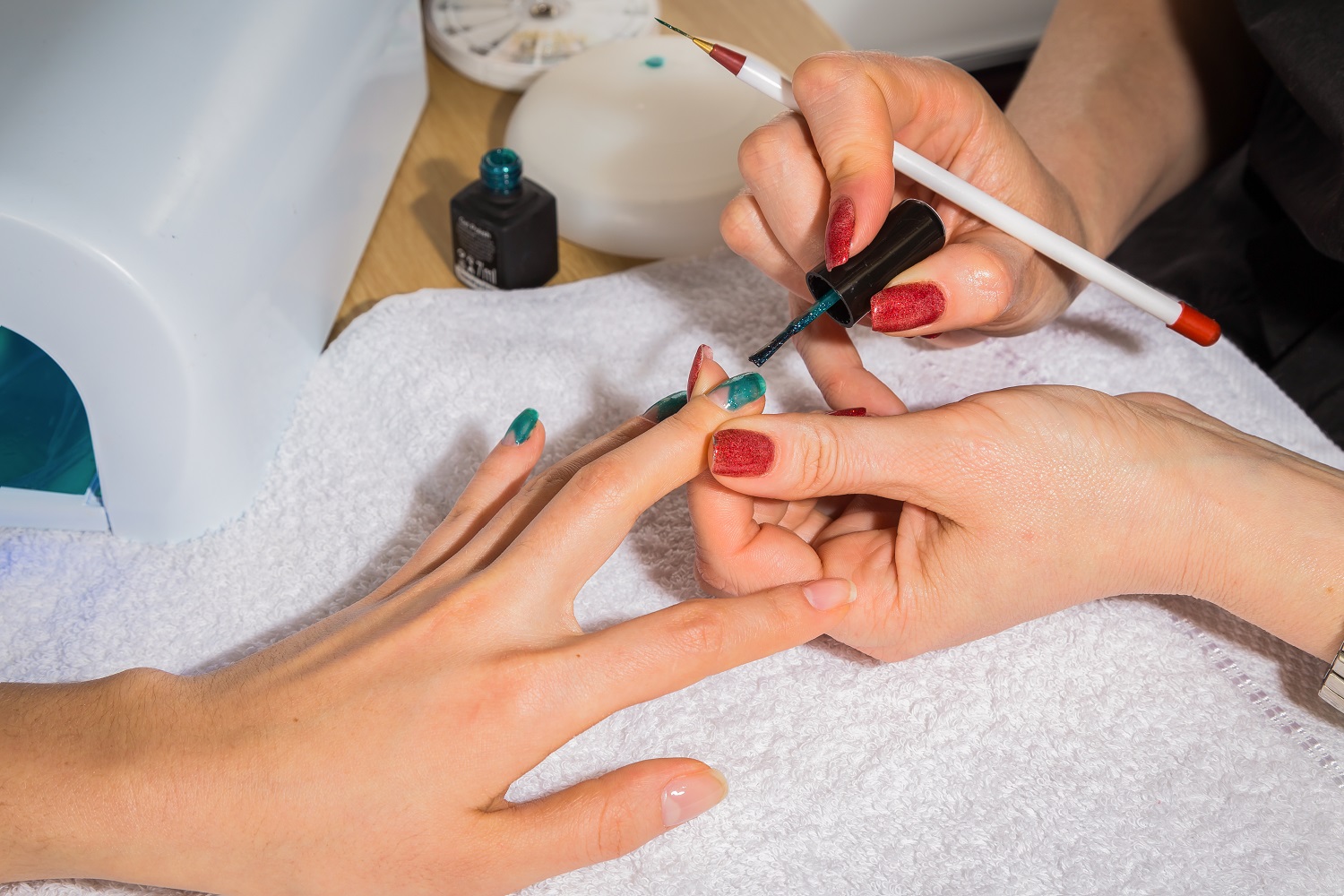
Storing your products safely and hygienically is hugely important to not only ensure you are working to professional standards and getting the best from your products, without risking infection for your clients but to also avoid wastage and ensure you are considering COSHH at all times. COSHH stands for control of substances hazardous to health. This includes all nail products such as UV Gel, monomer, acetone, nail prep and dehydrator products and any cleaning products such as brush cleaners, surface sanitisers and chemicals like barbicide.
- It is important that any chemicals that may be hazardous to health if misused or from accidental contact, or otherwise flammable, are stored in labelled packaging in a locked metal cabinet; with access only by those suitably trained to use.
- You should also consider the risks of incorrect disposal e.g. never putting chemicals like acetone down the drain. Excess acetone for example should be soaked up using couch roll and then disposed immediately in a sealed bin bag placed directly into a metal bin with lid and placed into suitable salon waste disposal (usually general waste) as soon as possible.
- Ensure you decant only a small amount of products to be used at a time such as monomer liquid and powders, using a dappen dish to avoid cross-contamination. Never work directly from the product tub. Decanting a small amount also reduces the vapours present from the product when working to avoid breathing issues and/or headaches etc.
- Return the lids to all products immediately once no longer in use to avoid risk of dust contaminating your products and avoid spillage.
- Keep all UV activated products such as gel polish away from direct sunlight and always away from your UV lamp when working as exposure will begin the curing process, setting the product hard or at least reducing its efficacy and shelf life.
Top tip: always use a clean lint free wipe dampened with a very small amount of acetone to clean around the top of UV Gel polish or builder gel bottles / tubs before replacing the lids to keep these airtight, prevent these from setting stuck tight and allowing you to work cleanly from these on next use.
Key Points…
- Replace product lids/caps once no longer required
- Decant only a small amount of product at a time as applicable e.g. never work directly from acrylic powder tubs
- Always clean brushes once finished using
- Avoid use of brush cleaners, use monomer for acrylic or gel cleanser for UV Gel before product sets hard
- Use acetone only to remove hardened product but seek to avoid this where possible with prompt cleaning
- Store brushes away from nail dust in a case or drawer away from exposure to nail dust / daylight
- Select the right tools – natural hair brush for acrylic, nylon bristles for UV Gel
- Reshape bristles while damp and don’t put away until they are dry from cleaning
Upgrade your Nail Tech skills with our Recognised Online Training Courses, Accredited Fast Track Training or even consider an Internationally Approved VTCT Qualification. Learn more by clicking below…


