If you’re new to lash extensions and thinking of training in these lucrative treatments, it can be very confusing with all this lash terminology. We’re often asked what’s the difference between these different lash techniques? Classic Lash Extensions
Classic lashes involve the technique for isolating one natural lash using tweezers and then applying one individual false lash to it. This can add length and some limited extra volume to the natural lashes. Classic lashes usually give a very natural look, with greater definition to the eye area for an open-eyed, youthful look.
Russian Volume
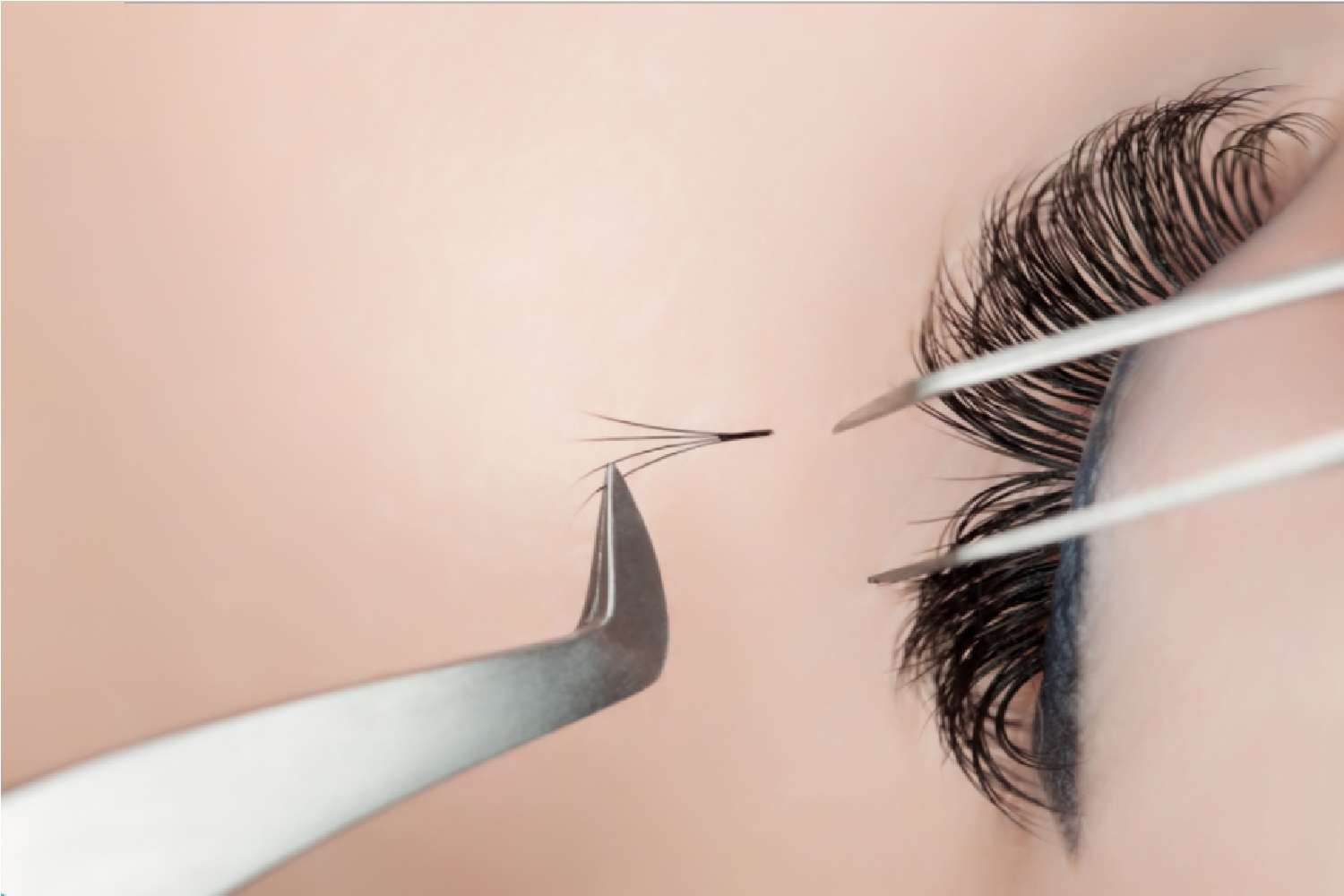
Russian volume lashes technique involves selecting a group of typically 2-8 individual false lashes to create a fan. The technician then isolates one natural lash using tweezers and applies this fan to the natural lash. This technique is repeated to create anything from a nice, fluffy lash to very dramatic volume. This technique adds volume and length to the lashes for a dramatic lash look.
Hybrid Lashes
Hybrid lashes combine the classic lash technique (one single false lash to one natural lash) and Russian volume technique (applying a lash fan to one natural lash) at a 70-30 ratio for a more defined, volume look that can look wispy, textured and more natural than a Russian volume lash look. The technician will first go in with the classic technique to create a framework in which to then fill with fans. This look gives the best of both worlds in terms of Classic and Russian volume – greater length, greater volume and more definition to the eye but still maintaining a natural looking balance to the lashes.
Given the benefits of each technique to help you meet the needs of your various clients, it makes sense to learn all 3 techniques.
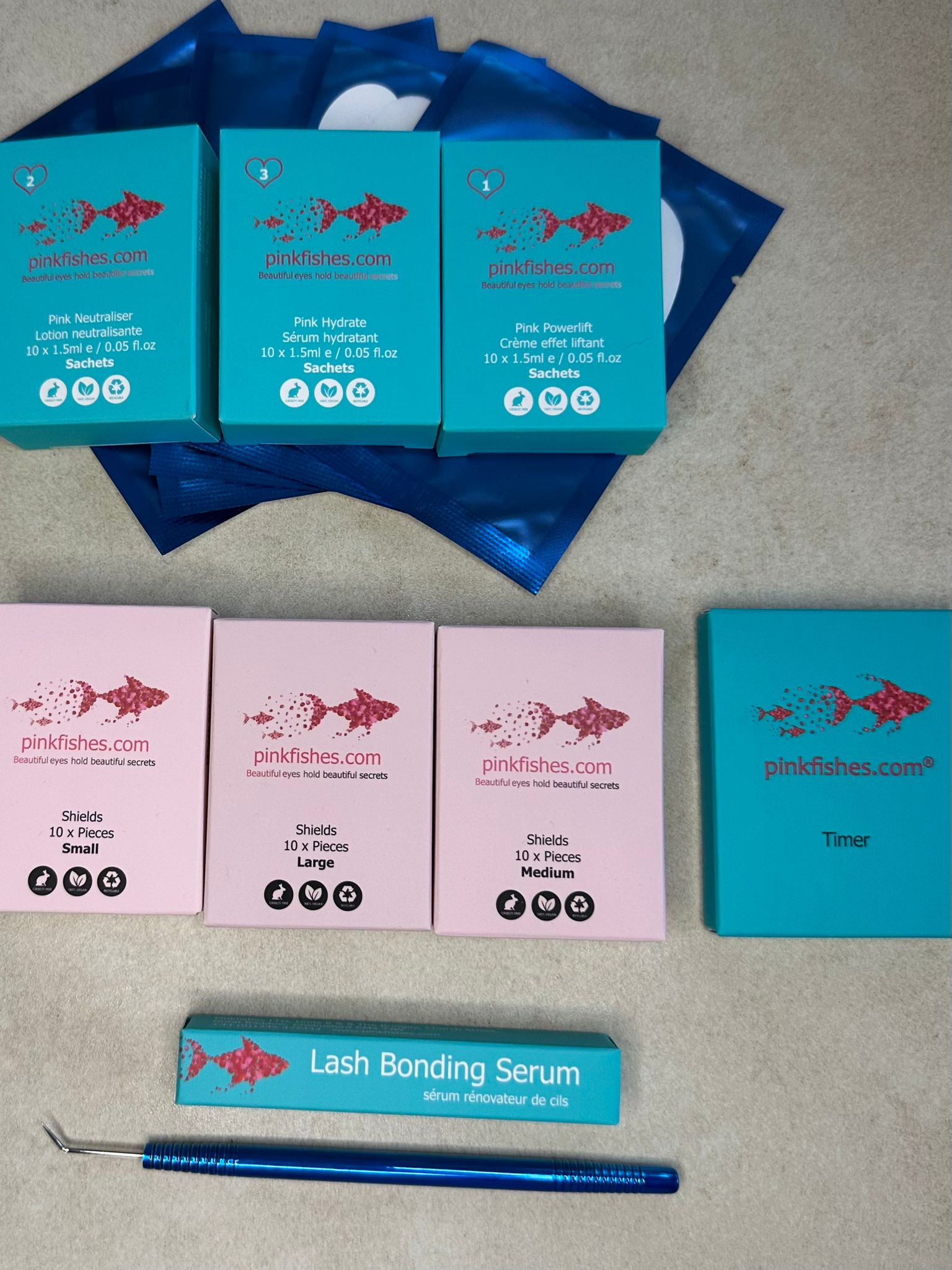
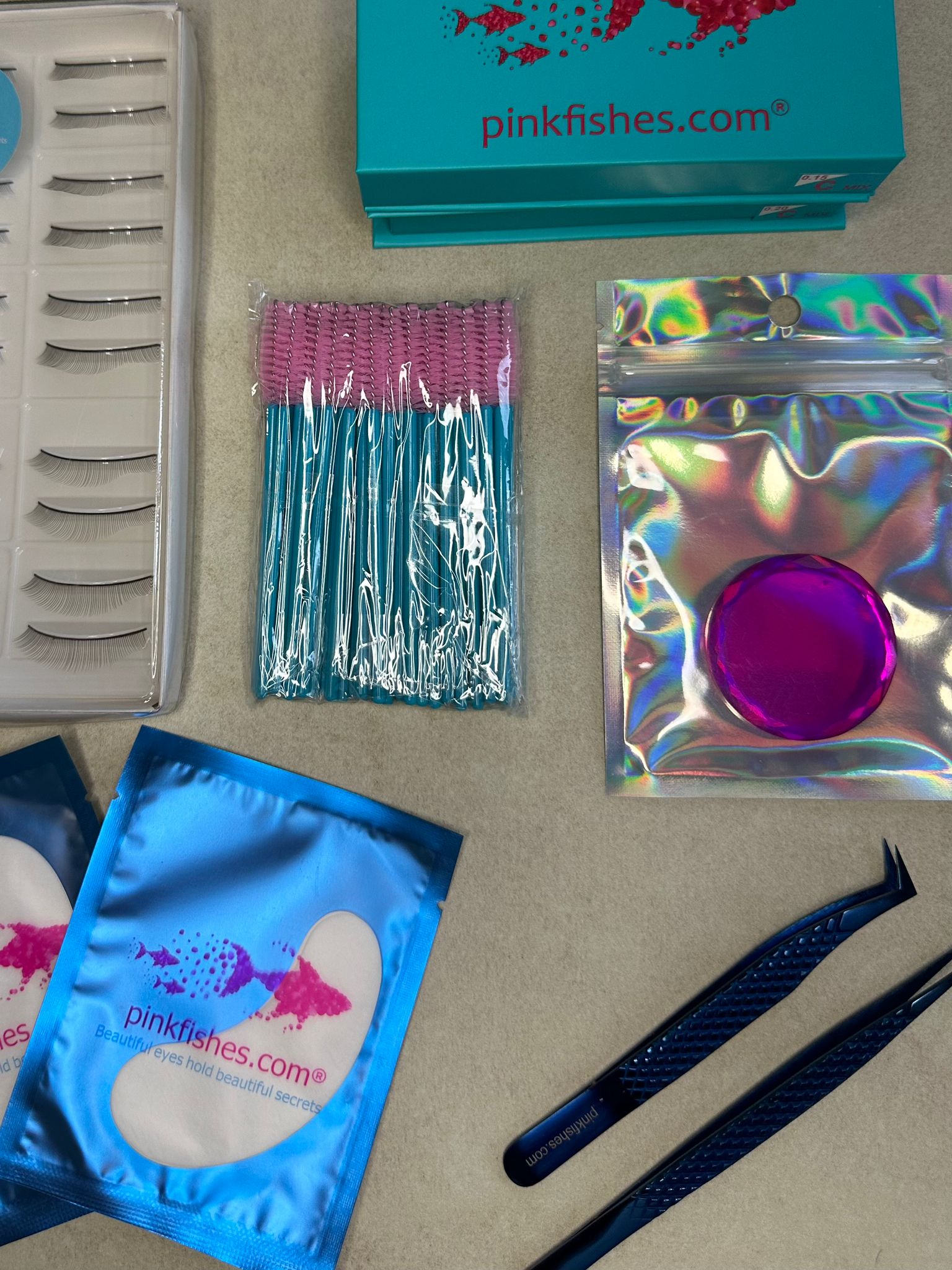
Our 3 Day Complete Lash Technician Package provides training in all of these techniques. Achieve an ABT Accredited Diploma in each technique allowing you to gain insurance to start your own lash business!
If you’d prefer to learn conveniently online from home, we also offer an equivalent Online Complete Lash Technician Package which provides IPHM Accredited Certificates on completion to start your new lash career!
It is a question we’re often asked – we’d say it is probably better! And we’ll explain why…
Brow lamination works in harmony with your existing natural brows pulling unruly brow hairs into line for perfectly uniform, thicker looking brows.
Brow lamination is non-invasive with no ‘healing’ time unlike microblading. Any mild redness (erythema) you may see from shaping using wax which is commonly offered as part of a brow lamination service, usually subsides within 2-4 hours.
Brow lamination results last 2-8 weeks depending on a few factors, this means you get the benefit of fuller looking brows but with the flexibility as results drop to be able to change your brow look as fashion (and personal taste) dictates. Microblading results are semi-permanent lasting 1-3 years, with fade out results varying hugely.
Brow lamination is suitable for all hair and skin types – unlike microblading which isn’t best suited to those with oily skin (results fade quicker) or dry / sensitive skin conditions (healing can be slower and give uneven results).
What is Brow Lamination?
Brow lamination uses a 3 step chemical process using similar products to lash perming. Firstly brows are cleansed and set into desired place, some use a brow ‘glue’ to hold the shape while products are applied. A perming solution is then applied to temporarily relax and straighten the brow hairs. Next a setting solution is used which fixes the brows into an upright position making them appear longer, darker and fuller. At this stage the brows can be tinted as desired to further darken brow hairs and even the skin to ‘fill’ any gaps in growth. Brows can now be shaped using wax, threading, trimming and/or tweezers to create the perfect shape and definition. Lastly a nourishing serum is used to condition the brow hairs and give glossy brow results. You must keep brows dry for 24 hours following treatment to avoid reversing the lift result.
Treatment typically takes no longer than 30 minutes and gives results which can last 2-8 weeks depending on the client. There is no ‘healing’ time, beyond any mild redness that may result from shaping the brows with wax, which usually subsides in 2-4 hours. The treatment is completely pain free, some clients may have mild tingling due to greater skin sensitivity to the lift products but this isn’t common. A patch test is carried out 24-48 hours prior to treatment to minimise the risk of allergic reaction to products too.
What is Microblading?
Microblading is essentially a semi-permanent tattoo, using a handheld blade tool filled which ink which makes a small scratch with each stroke on the skin and applies the ink into the skin. This creates hair like strokes that can be built up to create greater definition to the existing brow shape or to fill in areas of lacking hair growth.
The treatment can be painful, especially if you have a low pain threshold. It can take 3-4 weeks for complete skin healing with some scabbing or peeling usually showing around 7-14 days post-treatment. You need to keep the area dry for up to 10 days for optimal healing.
Over time and skin renewal, the results will fade. Touch up is typically required every 1-3 years (varies significantly depending on your skin type, age, colour chosen and many other factors like sun exposure). As the pigment fades out, the hair strokes can become blurred or give a ‘blocky’ look to the brows. Some people experience greater red or blue tones as the results fade too which is undesirable. Those with sensitive or dry skin conditions like eczema can have uneven healing results that require correction. Those with oily skin will typically see fading more quickly and require more frequent touch ups.
Even once the result has fully faded after 3-5 years, pigment can still be present which can make it difficult to radically change your brow shape or can become evident as the brows naturally thin with age leading to correction being required and long term commitment to always having microbladed brows. It is therefore vital to ensure you want to commit to this and find a reputable technician whose results you can see before booking, to ensure you get the results you desire long term.
Considerations for a Therapist
You may be deciding between what brow training to complete – should you go for microblading training or simply brow lamination? Some considerations you may like to consider:
For microblading you will usually need to register with your local council environmental health for proper ‘sharps’ disposal arrangements.
Many insurers will not cover microblading due to the more invasive nature of the treatment and risks of bloodborne disease. This is worth considering, despite the use of PPE being available – there is always a small risk from providing these treatments. All leading insurers will cover brow lamination treatments.
You will need to complete specialist training to offer microblading which can be expensive and will require a degree of natural flare to achieve high quality results. You will also usually need several willing models to achieve your certificate, plus lengthy periods of practice which can be hard to source. For brow lamination this can be learnt in just 1 day – after which you can get insured to start offering and earning from your treatments.
Microblading treatments can take 1-4 hours to deliver limiting your earning potential. You usually have to also factor in check ups and retouching appointments, which many technicians provide for free, as part of the initial treatment fee. Microblading is a big investment for most clients and repeat treatment is not usually needed for 1-3 years. For brow lamination this takes typically only 30 minutes with repeat treatment every 2-6 weeks providing you a quick, regular income stream.
Convinced that Brow Lamination training is the right option for you?
Get qualified with our IPHM Accredited Online Course or attend for just 1 day with our ABT Accredited Classroom Course offered at all of our 10 training centre locations nationwide!
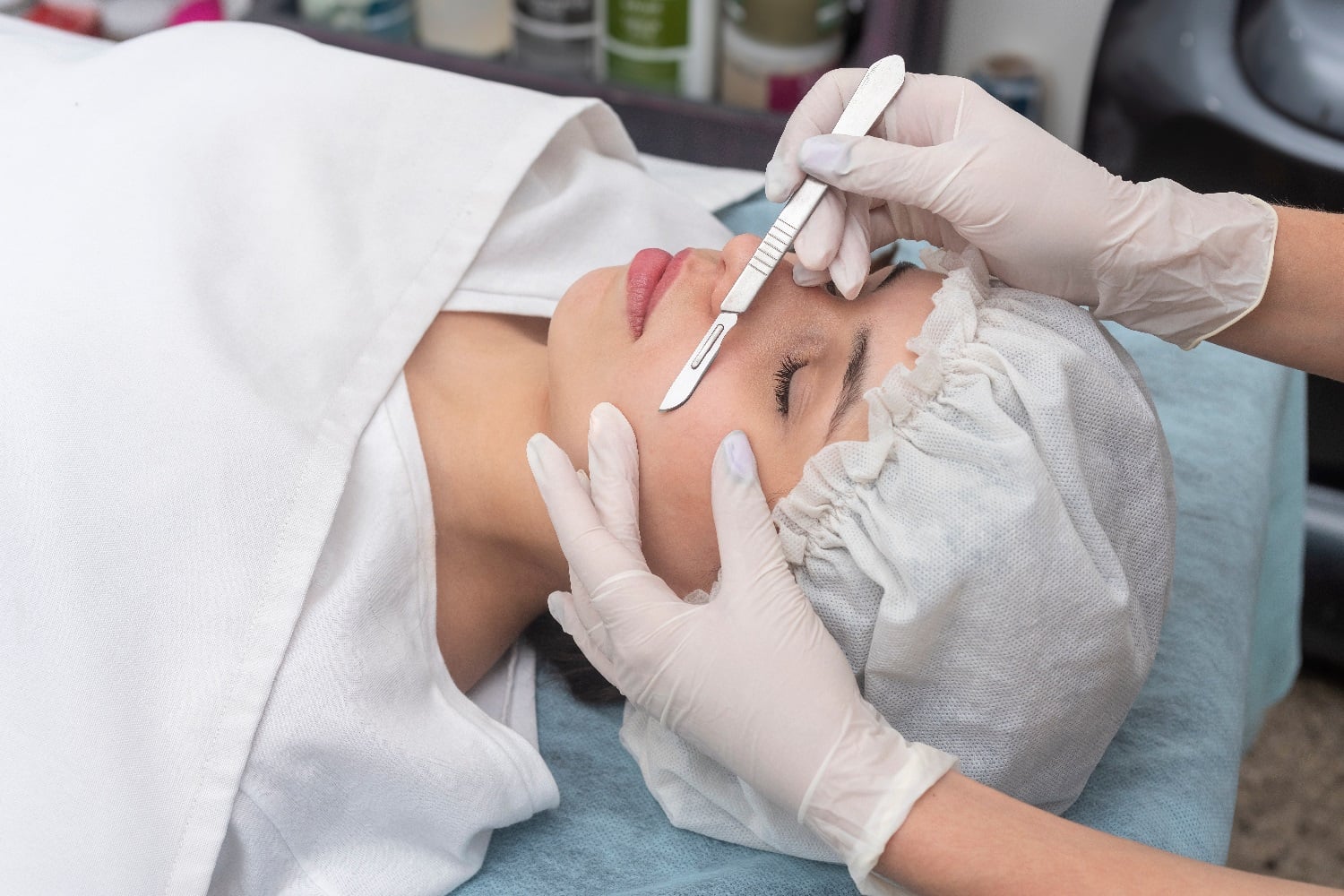
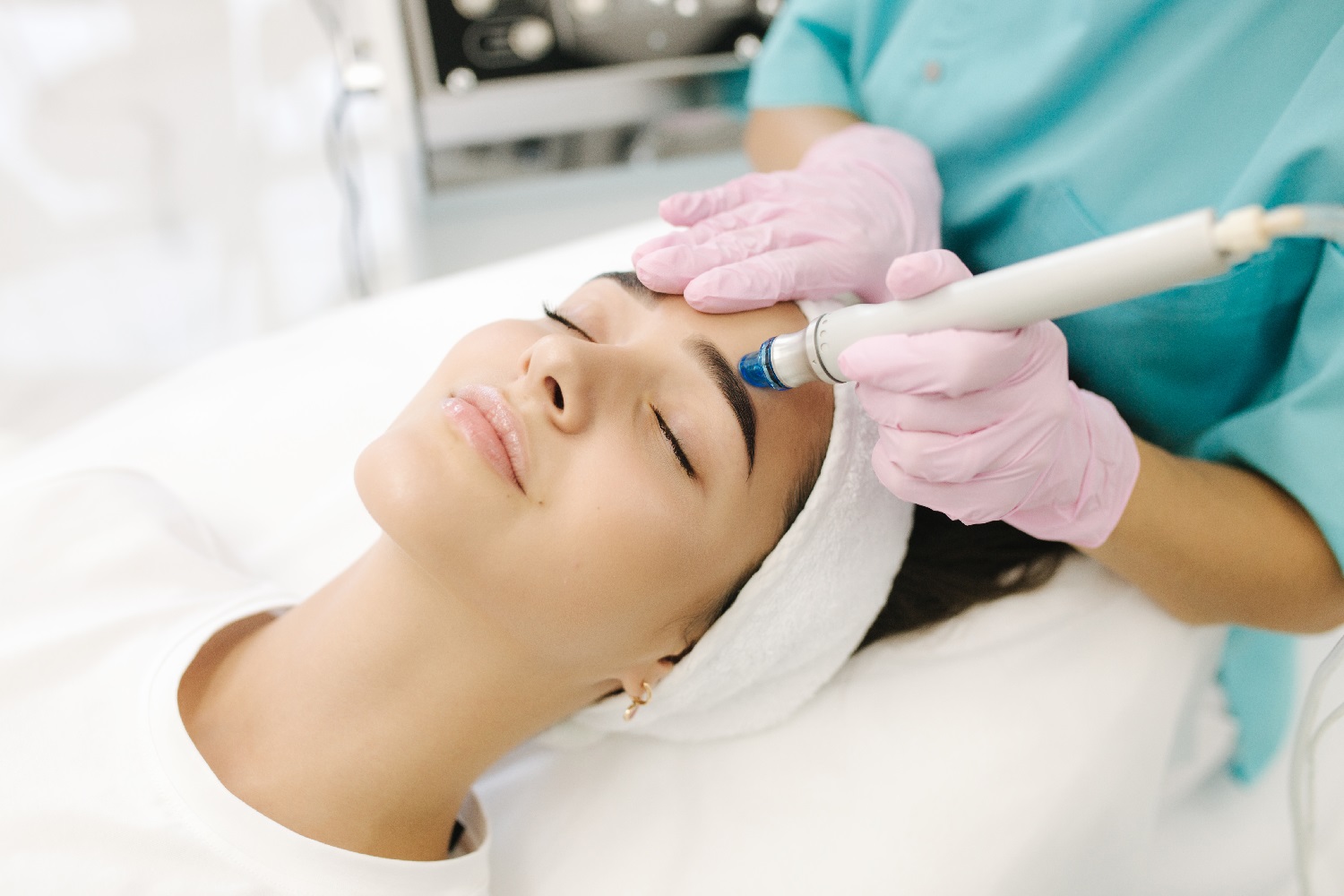
Dermaplaning is one the most convenient facial treatments to treat skin imperfections. Using a surgical blade the therapist will remove peach fuzz, reduce the appearance of blemishes and other flaws that could be dulling the complexion.
Dermaplaning can be used alongside other aesthetic treatments allowing products to penetrate much deeper into the skin and achieving an enhanced result, for example the reduction of lines, wrinkles and scars.
The treatment does not use any chemicals and is not invasive, making it safe for majority of clients including pregnant and lactating women.
How does Dermaplaning Work?
The surgical scalpel will gently remove dead skin cells, revealing brighter, fresher and more luminous skin. With continuous treatments it will ensure old and damaged skin cells are removed, creating a healthier skin with a brighter complexion and a smoother appearance.
6 Benefits of Dermaplaning
Removes dead skin cells instantly. Dead skin cells are the number one reason for dull-looking skin. Often more abrasive treatments are used to remove the dead skin cells such as microdermabrasion. Dermaplaning treatment removes dead skin cells by exfoliating them away, revealing the youthful skin underneath.
Say Goodbye to Peach Fuzz. Removing the vellus hair or peach fuzz will reveal smoother skin. The hairs hold onto dirt and oil all which can trigger breakout activity or acne. Removing this hair ensures make up application is cleaner and sharper and also products penetrate deeper into the skin and you use less products!
An All in One Treatment Dermaplaning can help with lots of skin problems. This includes improves a dull complexion, facial hair and uneven skin tone. Dermaplaning is a painless treatment with minimum downtime, making it a go to treatment!
Instantly Smoother Skin. Dermaplaning will provide an instant result! After just 1 session skin will look brighter and feel smoother.
Its Non-Invasive and Safe for Mums-to-be! Dermaplaning is an effective treatment that is safe for both pregnant and breast feeding women (subject to no underlying health conditions being present).
Enhance Natural Beauty. After a few treatments of dermaplaning skin will be brighter, look fresher and outbreak activity will be reduced as it helps to keep skin dirt and oil free and also restores skin health and maintains a more youthful appearance.
Dermaplaning costs from £40 upwards for a 45 minute treatment depending on your demographic area so you can easily boost your earnings with these popular skincare treatments!
Start your journey into aesthetics with our ABT accredited training course:
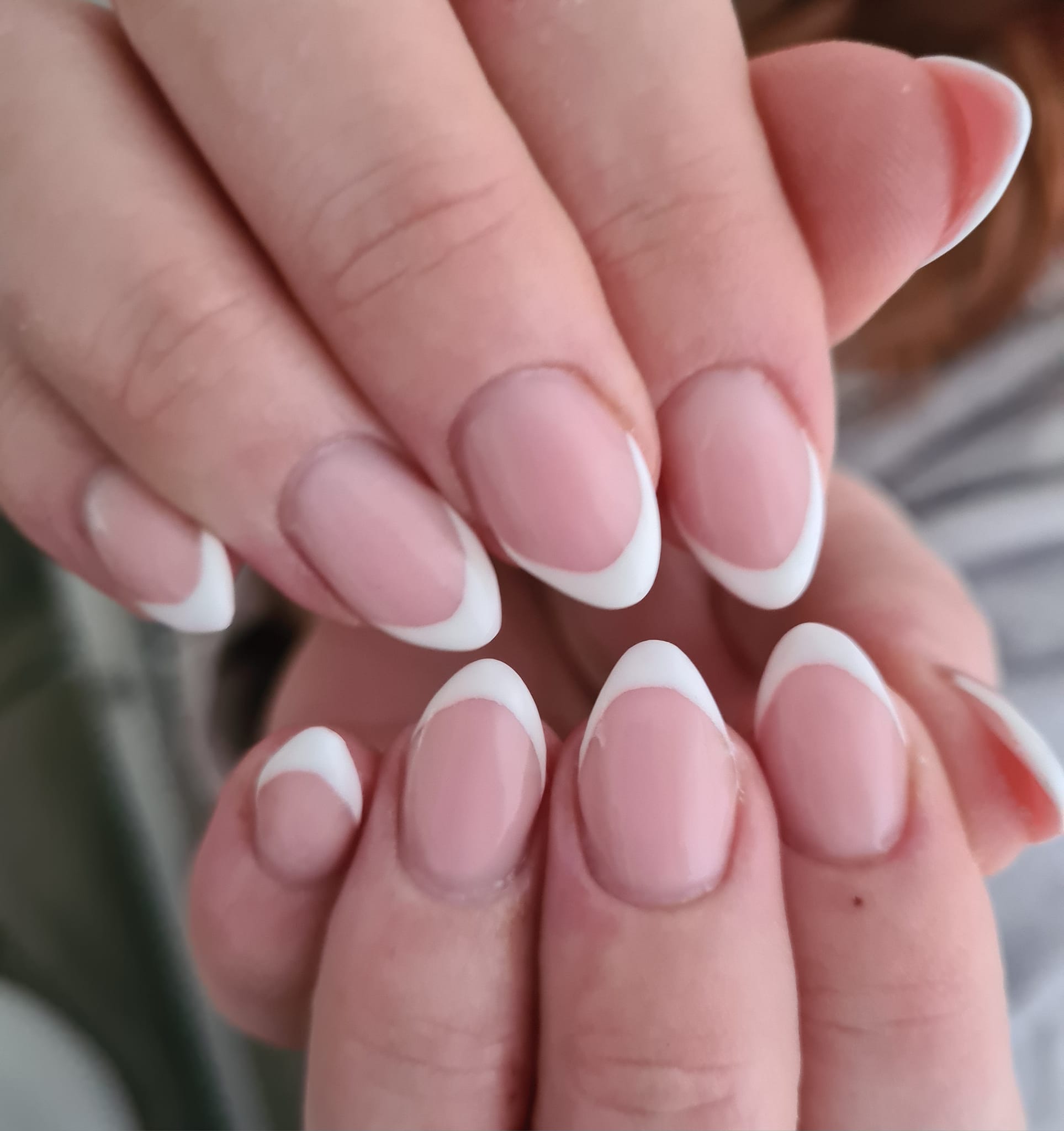
What are French Tips and why are they so popular? The style of the French Tip dates back to the 1930s and gained their iconic name in Hollywood in the 1970s by Jeff Pink, the creator of the French Manicure. The French Manicure was created to help screen actors speed up the process of wardrobe changes. The French Tip is a simple yet elegant style of nail, suitable for everyday wear and special occasions, making it a very practical yet fashionable choice!
A French Tip is traditionally a nude nail with a white tip. Today, the French Manicure has been modernised with the addition of colour and glitter! Due to its popularity, this is an essential treatment in any spa or salon. Nail technicians will be able to charge between £25-£50 for this treatment. These nails are durable, long-lasting and practical, and remain incredibly stylish today!
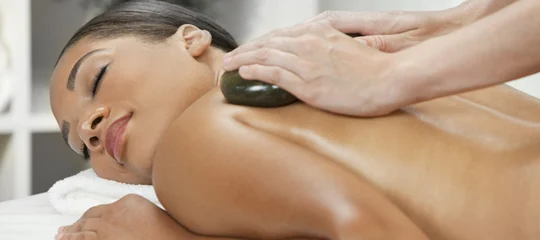
A hot stone massage is a popular treatment that offers tranquility and serenity. It uses warm basalt stones, and works on energy points located on the body, helping us to rebalance. The heat from the basalt stones permeates through the clients skin, aiding in relaxation.
The benefits of a hot stone massage include: improved sleep, reduced stress and anxiety, boosted immunity, relieves symptoms of autoimmune diseases, amongst many more. The heat of the stones can soothe tense muscles and alleviate pain, while also decreasing the effects of cancer symptoms. This is an essential treatment in any holistic salon or spa. A therapist can charge £60-£75 per hour for this type of luxury treatment.
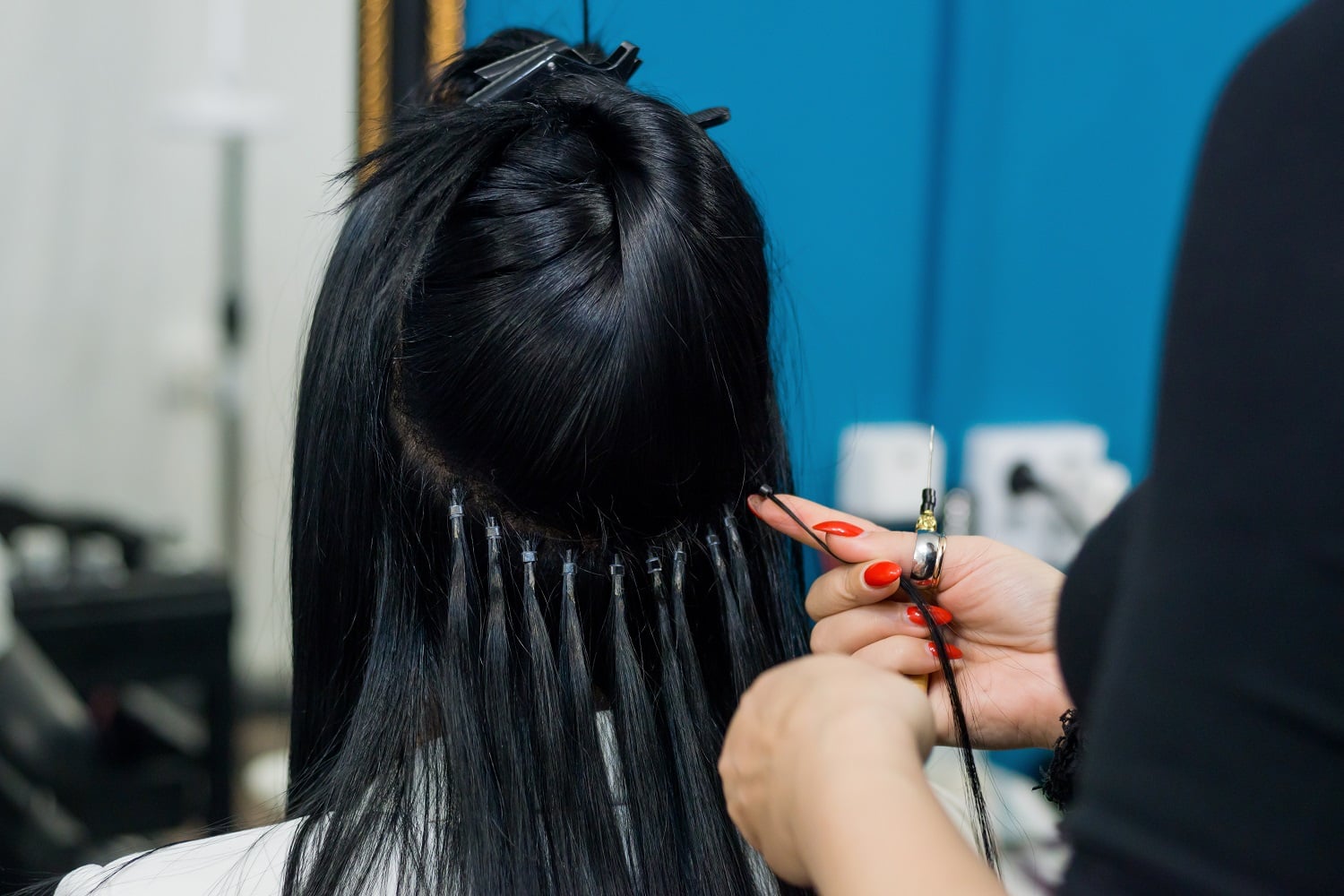
There are plenty of hair extensions out there, from tape in to nano ring! It’s recommended to do your research and find out what best suits your needs. Hair extensions can be used for glamour, but they are also very practical! They are an absolute lifeline for some people suffering with hair loss, and can look very natural.
There are various factors than can effect the price of a treatment, including the length of hair, what type of extensions are being used, and if it is a first visit or a refit. Sessions can range from £250 and up, per appointment, so, from a business point of view, it is a great treatment to offer in your salon!
Brow Lamination is one of the most popular semi-permanent brow treatments in the industry. You can do it yourself at home, or offer it as a treatment in your salon. The treatment consists of setting the hair in a desired shape. This technique is perfect for people with gaps in their brows or unruly hairs! It gives the eyebrows a very sleek appearance by brushing the hairs upwards. The treatment can last up to 6 weeks, and are normally charged at £30-£50 per session. It is important that you choose high quality products to ensure the best results. As a qualified beautician, you can offer these treatments in your own salon.
Brow Lamination is one of the most popular semi-permanent brow treatments in the industry. You can do it yourself at home, or offer it as a treatment in your salon. The treatment consists of setting the hair in a desired shape. This technique is perfect for people with gaps in their brows or unruly hairs! It gives the eyebrows a very sleek appearance by brushing the hairs upwards. The treatment can last up to 6 weeks, and are normally charged at £30-£50 per session. It is important that you choose high quality products to ensure the best results. As a qualified beautician, you can offer these treatments in your own salon.
How does this compare to other brow treatments? Brow lamination is a very affordable treatments, and is often chosen because it is not permanent. If you are looking for something less invasive, a brow lamination is the perfect solution! It is safe and pretty much painless. If you wanted to explore the world of brow treatments, a brow lamination is a great place to start. It appeals to a large audience due to its beautifully uniform look.
Ensure you are using high quality products that will be kind to your hair and skin. Aloe vera gel can be used to nourish the hair and the area you are treating. Trim and tweeze the brows to your desired shape, and then apply a cleanser, followed by the adhesive and comb the hair upwards. Apply the perming lotion and leave on for the recommended time. Clean the brows and apply a nourishing lotion to the area once again. and there you have it, perfect, easy brows!
An effective skincare regime can help your skin to look healthy, youthful and radiant. Daily skincare can aid in preventing breakouts, sun damage and reduce the appearance of aging and pigmentation. The skin is our largest organ, so it is imperative that we look after it. A basic skincare routine should include a cleanse, tone, exfoliate and moisturise. However, introducing serums, oils and masks are great too, and remember to always use your sun protection! If we are not regularly looking after our skin, this can lead to acne, hyperpigmentation and age spots! It is important to be well equipped with the science and knowledge regarding our skin, so we know how to look after it!
Your morning versus evening skincare routine: This will depend on the products you are using. Products that make your skin photosensitive should be applied in the evening. Exfoliation should be done in the evening as well, to remove all the dirt and grime from the day. Relaxing night oils and serum containing meditative ingredients, such as lavender, can be used at night time to encourage sleep. Your morning routine should always consist of your UV protection, even during the winter season, as there is still harmful ultraviolet radiation even when its cold and wet. It is important to keep the skin feeling plump and hydrated during the colder months as well, this could include using a hydrating serum and drinking plenty of water!
Here are some helpful tips and techniques when thinking about your skincare! When applying products such as cleansers, oils, serums and moisturisers, it’s always a good idea to perform a massage movement over the skin, this helps the products so be absorbs deeper into the different layers of the skin. Choose a morning and evening skincare regime that suits you and your lifestyle. A complicated routine could soon become too time consuming, meaning you will lack motivation in your skincare. Too many products could overwhelm the skin, causing breakouts and blemishes. Starting off with a simple regime, and building this up is always a good place to begin if you are new to the world of skincare!
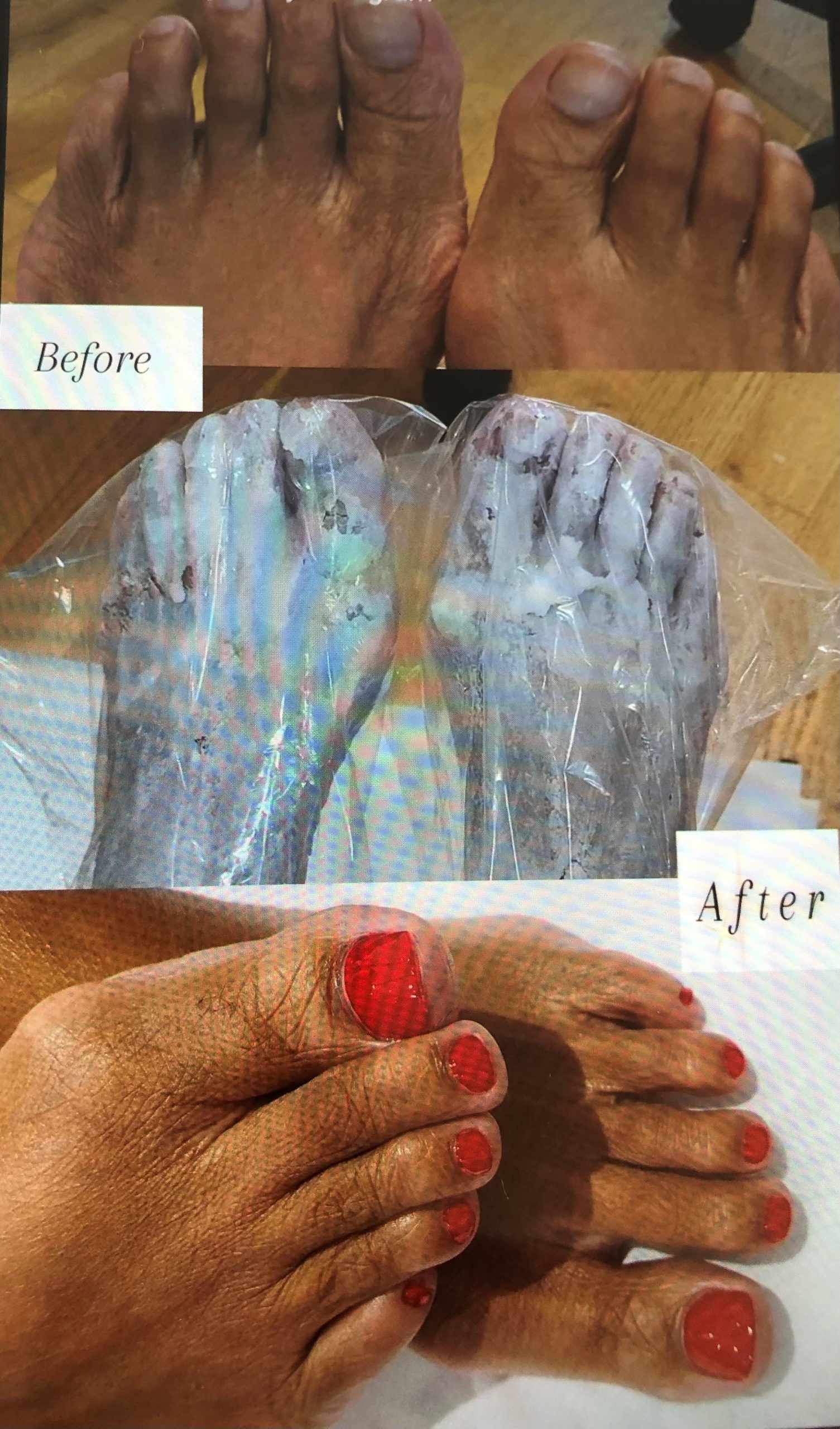
The colder months are edging closer and more clients may be looking to pamper their feet either to return skin and nails to tip-top condition after a summer of sandals; or they may be looking ahead to party season! Many treatments include heat as part of the pampering service, which are also great for joints and relaxation in the colder months. We cover the top treatments for perfect feet all winter long…
Pedicure with Luxury Aspects
If you’re new to nail or foot treatments, you may wish to begin your learning with our Manicure & Pedicure Course which also covers luxury aspects like mask with heated booties and use of warm paraffin wax to help soften and relax the feet. You’ll also learn to improve the condition of the nails with cutting, filing and cuticle work included in the course.
Hot Rocks Pedicure
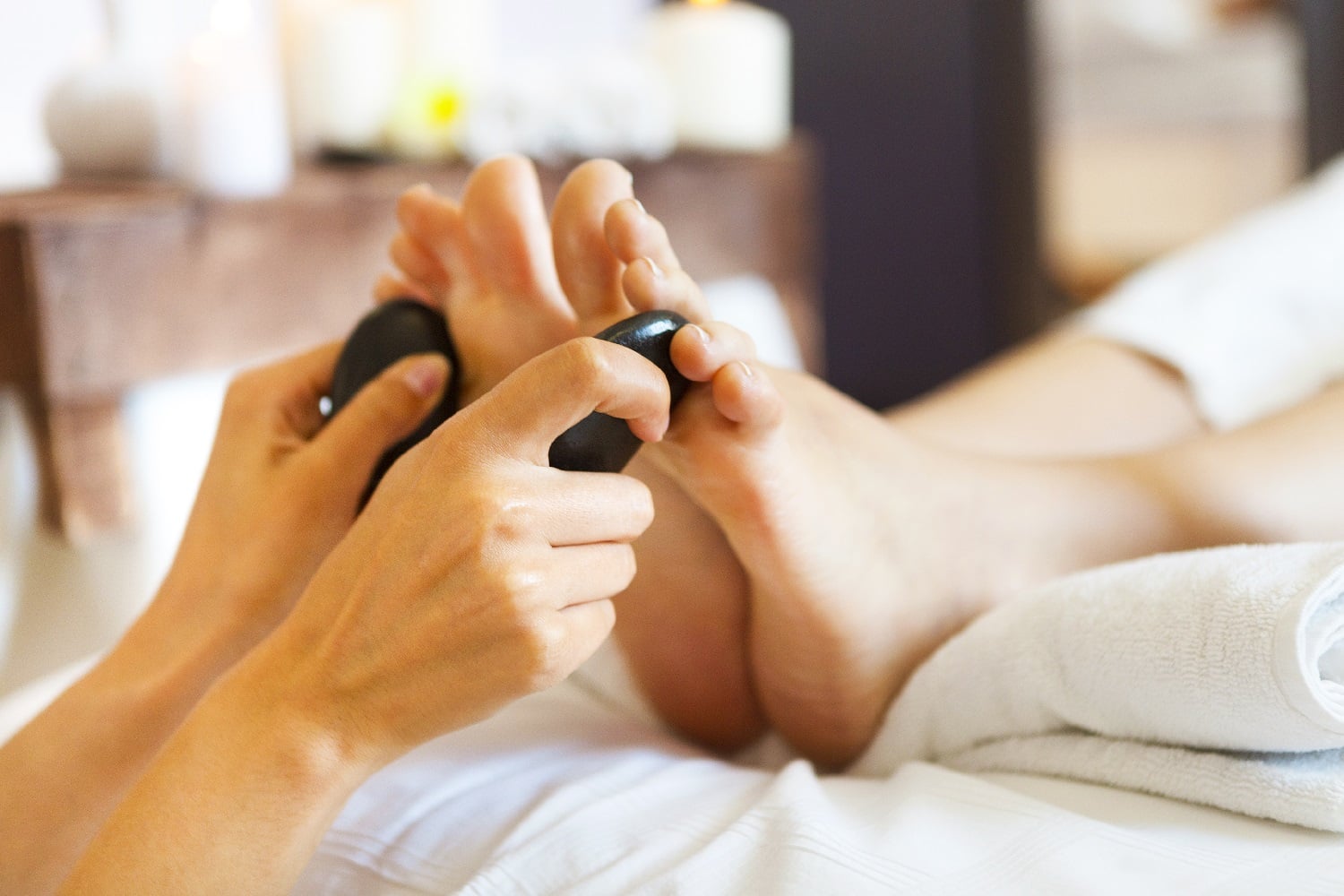
The ultimate in relaxation and pampering, this treatment combines the use of warmed basalt stones (hot stones) to help improve absorption of nourishing products and to relax aching joints. The warming sensation also helps boost blood and lymph flow to encourage healthy skin and nails.
E-File Pedicure
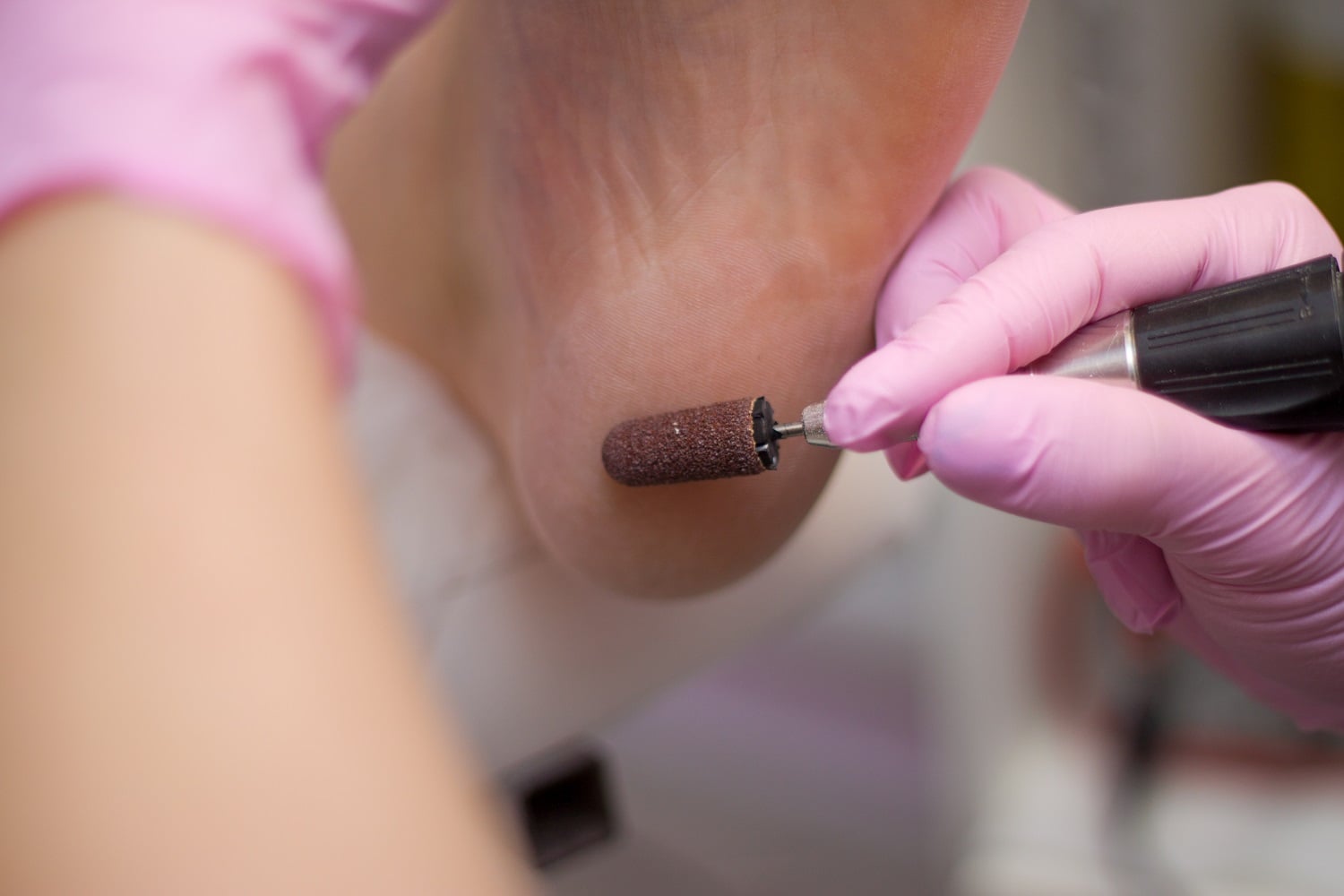
Cut down your treatment times both for convenience for your clients but also to boost your earnings, introduce the use of e-file into your pedicures. Not only does use of e-file give impressive results on areas of hard or callused skin on the feet, but it is also very comfortable for clients (no more scratchy foot rasps)! An ideal treatment for anyone who offers nail services or even for holistic therapists / reflexologists to add-on to their foot treatments.
Gel Polish
Finish your foot treatments with a long lasting, high shine polish. Learn to provide gel polish treatments to keep clients happy for weeks and have them coming back to you regularly for maintenance (gel polish requires professional removal after 2-3 weeks).
Our accredited courses will allow you to learn the skills to be able to offer a full range of pedicure services to meet the needs of your clients. All courses are fully insurable on completion allowing you to start your own beauty business or add the treatments into your existing business.
With a whole host of celebrities promoting the benefits of facial yoga and many new brands coming through offering their own regimes and routines, this week we explore the hot topic of facial yoga. The benefits of yoga for the body have long been known and practised to keep the body supple. Yoga for the face is no different in that it involves movements and stretches to help tone, strengthen but also relax muscles. Given that there are 42 individual muscles in the human face, there is certainly plenty to work on! Facial yoga involves massage and exercises that stimulate the muscles, skin, and lymphatic system. These movements are designed to soften and relax face muscles to help alleviate tension, stress, and worry – all of which contribute to fine lines and wrinkles appearing in the skin.
What are the benefits of facial yoga?
As we age and in particular approach menopause, hormonal shifts in the body can affect the production of collagen production, vital to a youthful appearance. Fat stores under the skin and elasticity of the facial skin can all decrease, leaving the face appearing less defined and sagging, which contributes further to wrinkles and frown lines. Effective massage helps boost both blood and lymph circulation, assisting with cell renewal and manipulation of the facial muscles can help retrain these muscles, remove muscular tension and eliminate excess fluid; to improve the appearance of the skin and contours of the face. It also helps slow down further signs of aging.
Does facial yoga involve costly equipment?
Not at all! Using simply a facial serum or oil to provide some slip to the skin, you can effectively massage and help contour the face using your hands alone. Using a range of massage movements to stimulate circulation and working towards lymph nodes for effective drainage of excess fluid/toxins, you can see instant results as skin will appear plumped, lifted and glowing right from the very first treatment. Some routines involve specialist tools such as small facial yoga ball or facial rollers, but an effective lifting and plumping facial massage can be given with effective manual massage movements alone.
Is specialist skincare required?
To help get the most from facial yoga, and ensure your skincare regime is optimally effective at tackling your specific skincare concerns, we’d recommend specialised skincare products for your skin type and concerns. Our Online Facial Gym ‘Glow Massage’ Course for Menopausal skin includes expert product recommendations (that won’t break the bank, you only need very little also so they do last!) to give you confidence in picking the right products for your skin concerns. The course also covers the effects of menopause on the skin so you have confidence understanding how to minimise and slow the signs of aging.
Who is this course suitable for?
The course is ideal for anyone interested in better understanding how to care for facial skin during the menopause, whether that is to care for their own skin more effectively or to have greater confidence in tailoring skincare treatments for their clients. The facial massage routine taught on the course can be used on yourself, friends/family or indeed paying clients on completion. Ideal also for upskilling and allowing you to offer specialised facial treatments for menopausal skin, these typically attract around £50-£65+ per treatment so are certainly lucrative to offer, with instant results seen, with glowing skin for your clients.
Microcurrent facials have been used since the 1980s and were originally used as an effective way to stimulate and retrain the facial muscles to treat conditions such as Bell’s Palsy. Since then, their efficacy in helping to improve muscle tone and the contours of the face has been recognised for cosmetic reasons. However, with advancements in aesthetics and injectibles such as facial fillers becoming high demand, the micro-current facial was left behind. However, as more clients now seek non-invasive methods to rejuvenate the skin and stave off the visible signs of aging, microcurrent treatments are once again coming into popularity.
Alongside radio frequency, LED light therapy and microneedling, microcurrent treatments have zero downtime making them great for those who want the visible benefits but without the tell tale signs left by invasive treatments. But what actually are microcurrent facial treatments and why should you be turning your attention back to these powerful muscle toning, cost effective and profitable treatments?
What are microcurrent facials?
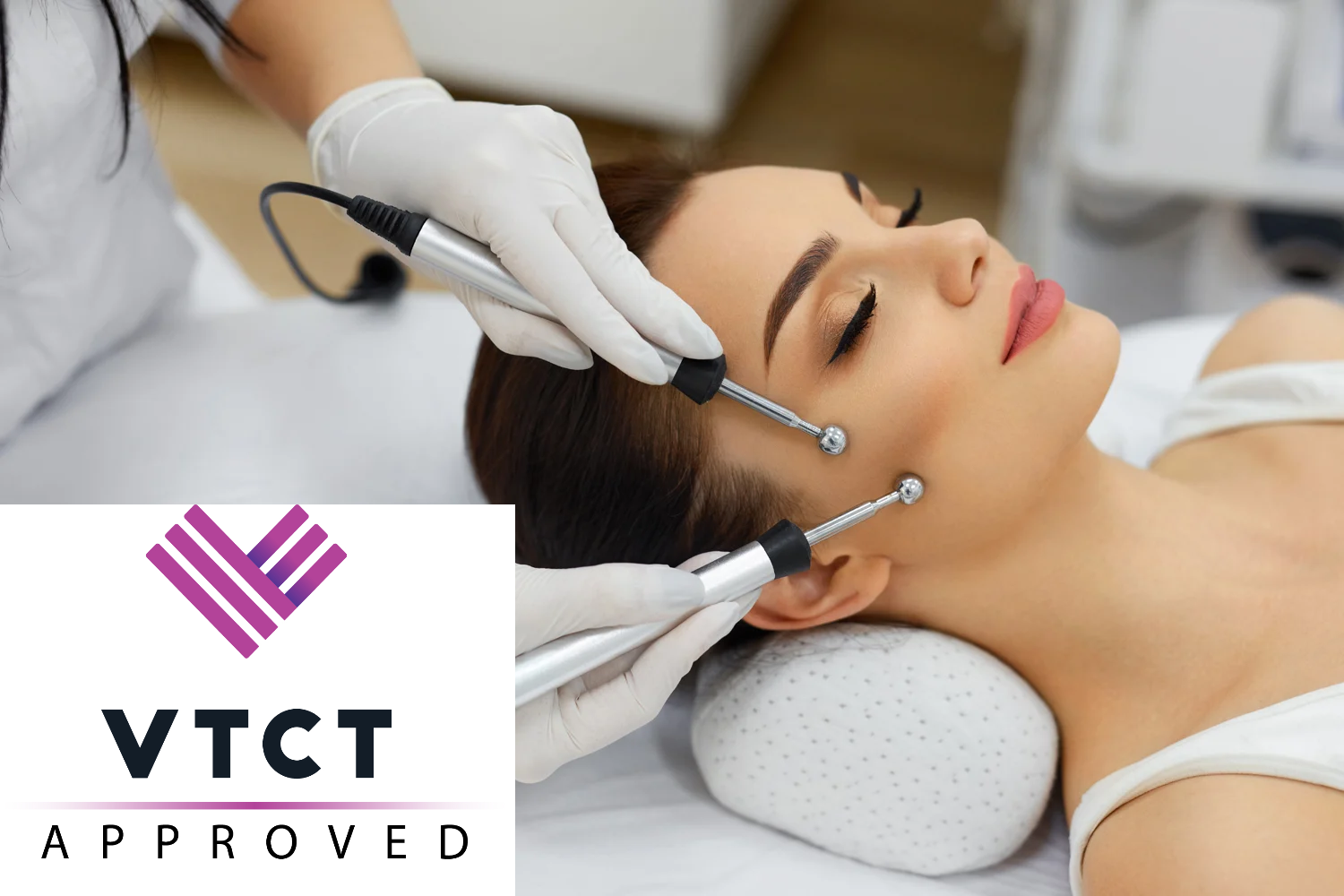
Microcurrent facials are often referred to as a ‘non-surgical face lift’, designed to soften the appearance of fine lines and wrinkles, balancing and lifting the contours of the face by working to stimulate the facial muscles and effectively retrain the muscles to better support the face.
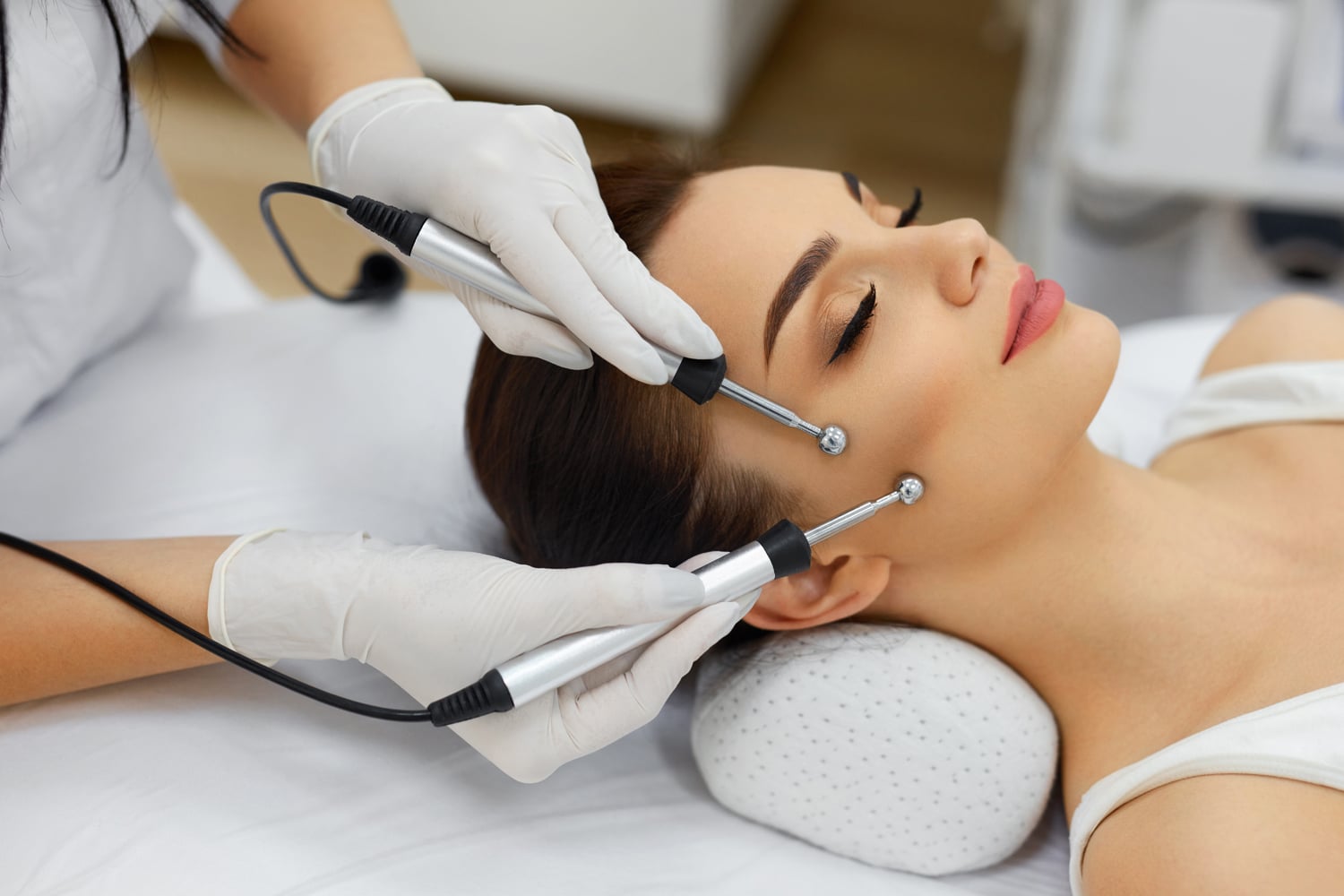
The treatment uses very low levels of electrical current which runs between the positive and negatively charged conductors (which depending on machine are either long slender metal rods or sphere shaped applicators). When both conductors are in contact with the skin, the current flows through the muscles training them to tone up. This treatment re-educates the facial muscles, although it is not the very low current alone that achieves this. The conductors (handheld probes) working with the current to encourage effective product penetration, effectively lift the muscles, moving them into the correct position and it is this which re-educates the muscles.
The treatment is usually delivered over a course of 6-12 treatments to execrise the facial muscles with little or no sensation from the current felt (making it an enjoyable treatment also). The current and movements encourage boosted lymph and blood circulation, speeding up cell renewal and collagen formation. This improves the health of the cells in the skin giving improved complexion. Once the course of treatments is complete, maintenance treatments are recommended to hold the lifting effect achieved (usually as part of a monthly facial).
Are microcurrent facials safe?
Microcurrent facials use such a low level of electrical current, they are entirely safe and with no downtime following treatment. There are some clients for which these treatments are unsuitable including pregnant clients, those with diabetes and those with heart conditions (such as pacemaker). It is also not recommended for those with active, moderate to severe acne as this can create further inflammation by stimulating already sensitive skin, however for those with the odd pimple or congestion in the pores, the treatment can actually help encourage a clearer complexion.
Why learn to provide microcurrent facials?
Microcurrent facials are a very lucrative treatment to offer as they are usually booked as a course of treatments with at least monthly maintenance required thereafter. Effects are immediately visible with improved radiance and glow to the skin initially, and lifting effects soon seen over the course of treatments. With no downtime, clients can combine microcurrent facials with other facial services you may already offer such as LED light therapy or microneedling for optimum anti-aging facial benefits. Microcurrent facials can be tailored to treat specific areas of the skin or indeed specific skincare concerns also and is suitable for almost all skin types including sensitive skin. The treatments are best combined with anti-aging serums which also present an ideal retail sales opportunity for salons / therapists.
Microcurrent machines can be purchased from as little as £400 from leading suppliers, with minimal treatment cost beyond the products used per treatment giving impressive profit margins.
Treatments take as little as 30-45 minutes also, allowing to maximise clients. Unlike more invasive treatments, there is no special insurance requirements (beyond completion of a recognised training course) and you do not need high level qualifications such as VTCT Level 3 Beauty or a medical background to train within or begin offering microcurrent facial services, making them accessible for all therapists who want to learn or can already provide basic facial skincare treatments.
How can I learn to provide microcurrent facials?
You may be pleasantly surprised to learn you can learn to offer microcurrent facial treatments with our Online Micro-current & Vacuum Suction Training Course at Only £99! The course can be studied at your own pace, conveniently online through our student portal. Detailed course resources and step by step videos allow you to learn all theory and treatment procedure to confidently provide these facial treatments. The only pre-requirement is to already be trained within Facial Massage & Skincare. We do offer an Online Facial Massage & Skincare Course which can be studied alongside the online microcurrent course for those who do not yet hold this training.
For those who prefer to attend training face to face, we also offer this training as part of our classroom based Electrical Facials Course, ensuring there is an option for you no matter how you prefer to learn!
So what’s stopping you? Get onboard with microcurrent facial treatments today!
Derived from Eastern medicine practices, Holistic treatments are non-invasive therapies which aim to treat underlying issues. They work on creating harmony within in the body through connection with energy points or meridian lines to work on overall health and well being. They compliment the western approach of medicine by offering an additional method for relaxation and stress relief which can benefit a variety of clients. One of the most popular Holistic treatments is Reflexology. In today’s blog we’re going to put a spotlight on this ancient treatment giving you and insights into the benefits and practices.
What is Reflexology and how does it work?
Reflexology is an In-depth foot treatment designed to relieve stress, relax and rebalance the body. The treatment focusses on reflex areas on foot which correspond to all of the glands, organs and parts of body. Pressure is applied using thumbs/fingers to reflex points on feet to stimulate these specific parts of the body encouraging a balance affect.
Reflexology uses zone therapy which was developed by Dr William Fitzgerald. Dr Fitzgerald believed the body could be divided into longitudinal zones running from the top of the head to the tips of the toes, he found that those parts of the body in each zone are linked by a flow of energy and that the parts of the body in each zone can have an effect on each other.
The body systems are represented on the feet a good way to learn this areas is to see the two feet together as a mirror for the body. For example, the brain reflex is found on the top of the big toe, the spine runs from the big toe down to the heel on each foot. The right foot governs right-hand side of body, left foot governs left-hand side of the body. The image below details the organs and where they are found.
What are the benefits of Reflexology?
Stress relief – stress is responsible for 75-85% of illness
Improves circulation – body relaxes during reflexology – tension that restrictsblood flow is reduced enabling the blood to flow more freely
Helps eliminate toxins from the body (improves the function of the lymphaticsystem and stimulates the excretory system)
Balancing – improves the balance between the systems of the body so boostingthe immune system.
What is the role of the Reflexologist?
Reflexologists should never medically diagnose during a session with a client, the treatment is merely to focus on rebalancing the body and its systems. This is done by providing a relaxing treatment using pressure with fingers and thumbs to the reflex points not he client’s feet in order to stimulate various parts of the body. Reflexology is best completed In a series of treatments, most clients start to notice a difference after 3-6 weekly treatments. In general it’s recommended that a client have 4-6 treatments in a course.
How much can I charge for Reflexology?
How much you can charge for a reflexology can vary depending on where you are practicing. On average in the UK the treatment can currently cost between £25-£60 a session. It’s worth doing your market research to see what other practitioners are charging in your local area.
How do I become a Reflexologist?
Our two day intensive Reflexology course will provide you will all of the information, techniques and hands on practice you need to get started with your Reflexology. Over the two days you will learn:
Health, safety & hygiene
Consultation techniques
Contraindications
Theory of reflexology
Reflexology massage movements and modifications
Treatment procedure for working on the feet
Massage mediums
Practical tuition on performing a reflexology treatment on the feet
Aftercare advice
Learn Reflexology skills with our Accredited Classroom or Online Course. Book your place securely online:












 Derived from Eastern medicine practices, Holistic treatments are non-invasive therapies which aim to treat underlying issues. They work on creating harmony within in the body through connection with energy points or meridian lines to work on overall health and well being. They compliment the western approach of medicine by offering an additional method for relaxation and stress relief which can benefit a variety of clients. One of the most popular Holistic treatments is Reflexology. In today’s blog we’re going to put a spotlight on this ancient treatment giving you and insights into the benefits and practices.
 The body systems are represented on the feet a good way to learn this areas is to see the two feet together as a mirror for the body. For example, the brain reflex is found on the top of the big toe, the spine runs from the big toe down to the heel on each foot. The right foot governs right-hand side of body, left foot governs left-hand side of the body. The image below details the organs and where they are found.
