


gel nails
-
Simple Nail Art to Adore this Mother’s Day – How To
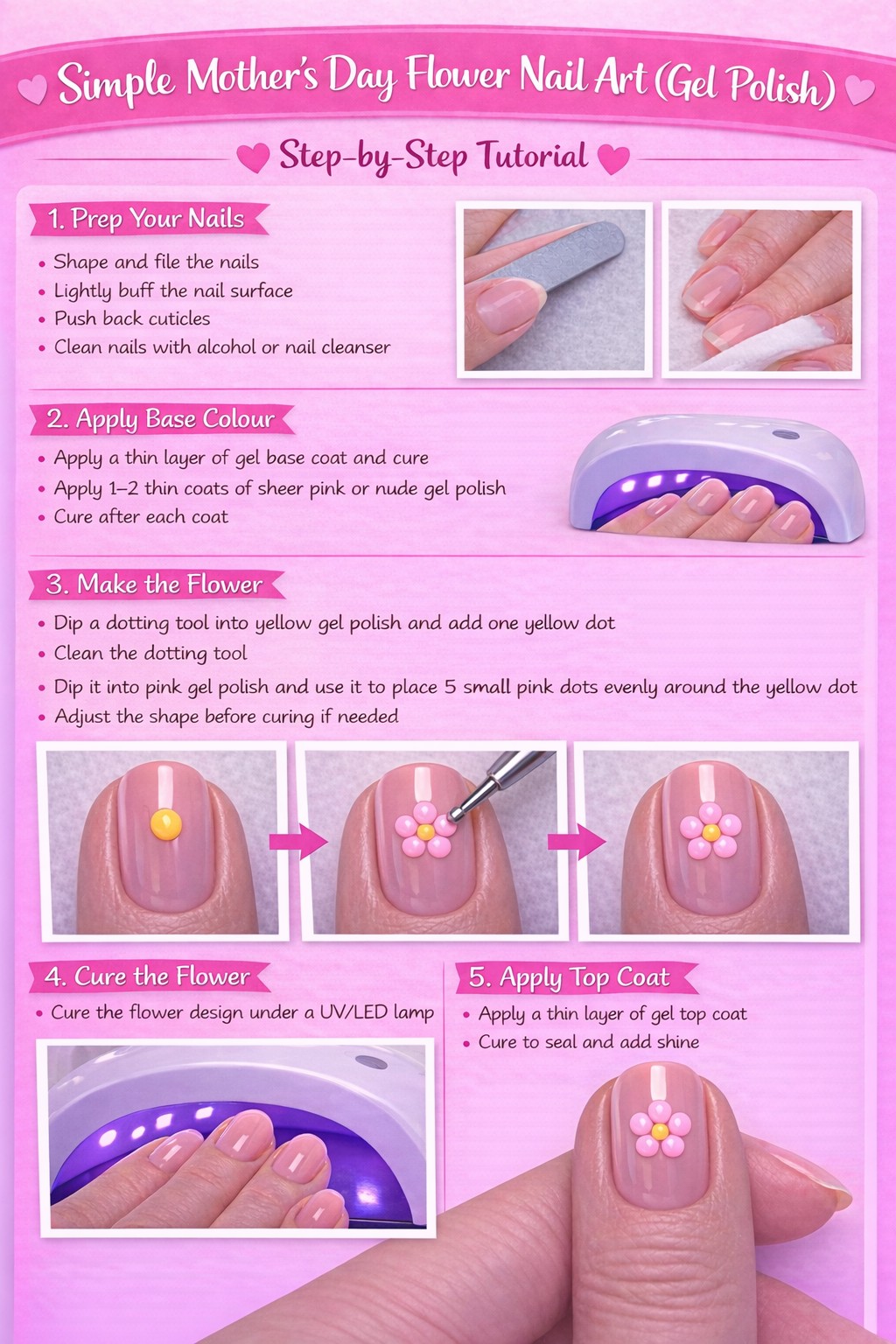
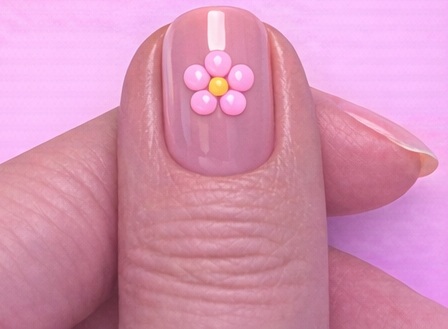
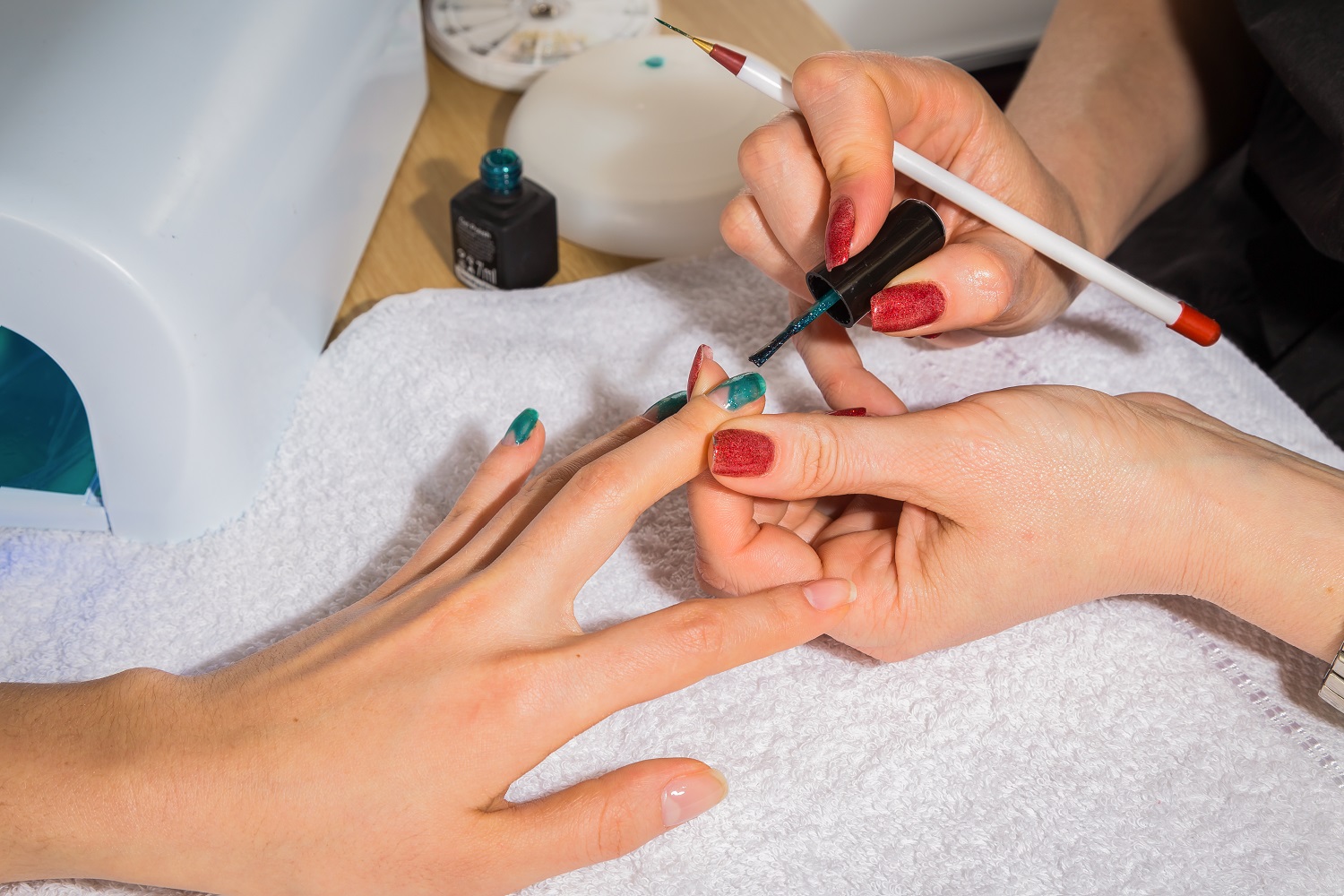
Our fabulous tutor Karen who teaches at our Birmingham Academy has put together this beautiful, quick and simple nail art design that is so effective and a great add-on for your nail client’s this Mother’s Day, even perfect for Spring! Or maybe pamper yourself, just to get people talking and give a great opportunity to convert someone you meet into a new nail client! -

What you need to know about soap nails!
The latest nail trend for 2025 is soap nails – a minimalist manicure suitable for all nail clients! Enough to make even the most steadfast stiletto nail fan turn to a more natural look! But what is this trend and how can you achieve it?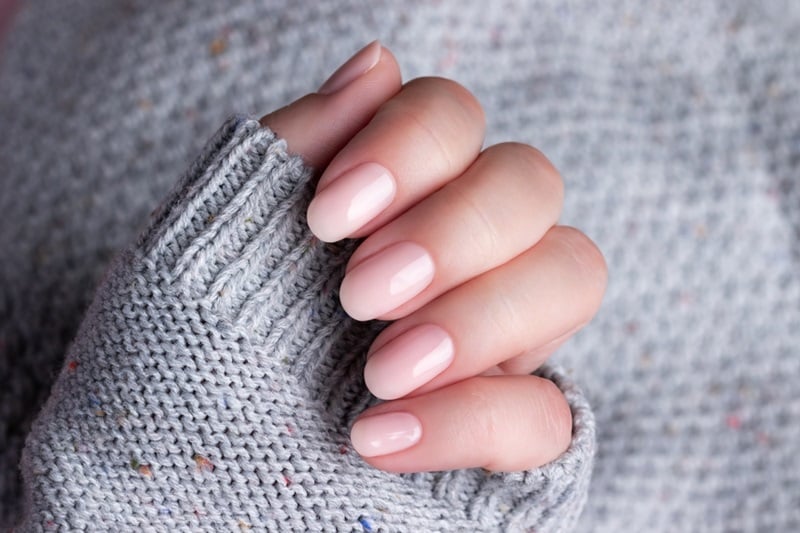
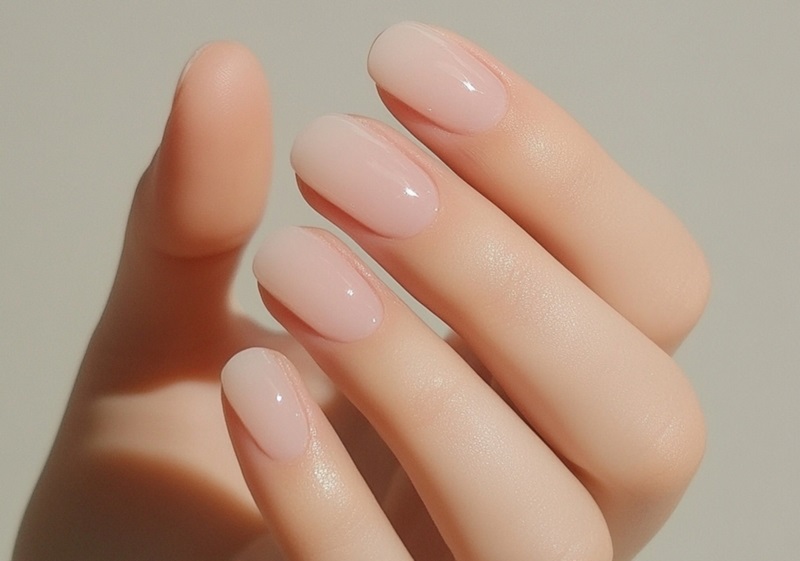
Soap nails are a natural nail look combining a glossy top coat over a barely there pink or nude polish tone. The look can be achieved using traditional polish or gel polish. For added nail strength, you can even use builder in a bottle gel to help encourage natural nail growth.
This look has evolved from the popular ‘milky nail’ trend popular at the end of 2024, which used white or neutral tones. This gentle ballet pink look for soap nails is about giving the impression of healthy natural nails with the wet gloss of soap bubbles.
The look can be achieved using popular nail shades such as OPI Bubble Bath, OPI Put it in Neutral, Orly Rose Coloured Glasses, Essie Ballet Slippers or OPI Rosy Future.
Learn to create beautiful glossy nails with our popular nail courses, suitable for complete beginners. Gain an ABT Accredited diploma allowing you to work from home or mobile offering your nail treatments. Or simply learn the skills to save on salon costs, pamper your own nails or those of friends / family!
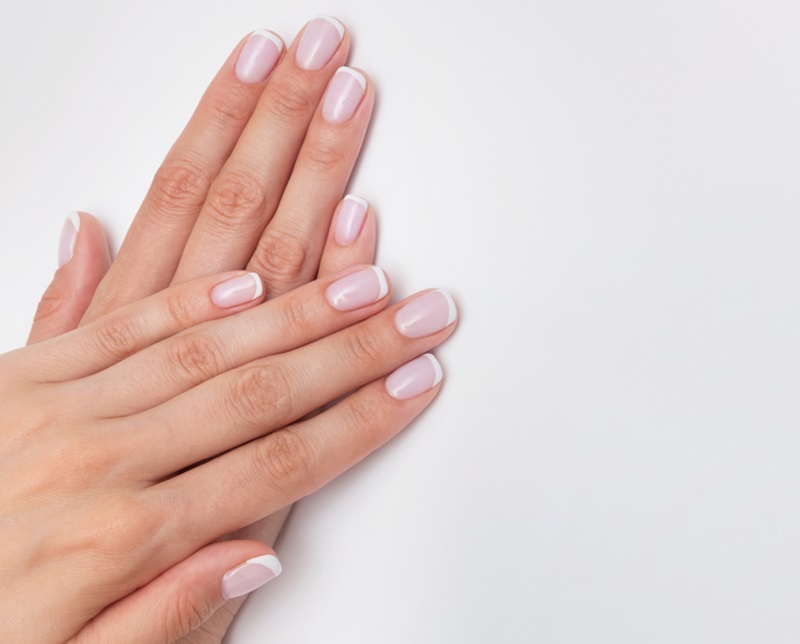
Want to take your soap nails to the next level? How about a short, square Russian manicure?
Russian manicure involves use of an electrical nail drill (e-file) to carefully refine and perfect the nail shape and surface for a longer lasting, flawless manicure finish. Combining this with precision gel polish application, that applies the colour to behind just the usually visible nail plate surface to give the appearance that the colour is growing with the nail for an edge to edge, high shine colour result. Nails trends have driven popularity of more natural nail shapes, with shorter and square or squoval looks becoming hugely popular on the catwalks and among celebrities.
Russian manicure techniques work so well when applying a French polish finish, or combine trends with a milky or soap manicure shade to finish!
Learn the skills to provide a longer lasting, high quality Russian manicure with our IPHM Accredited online course…
-
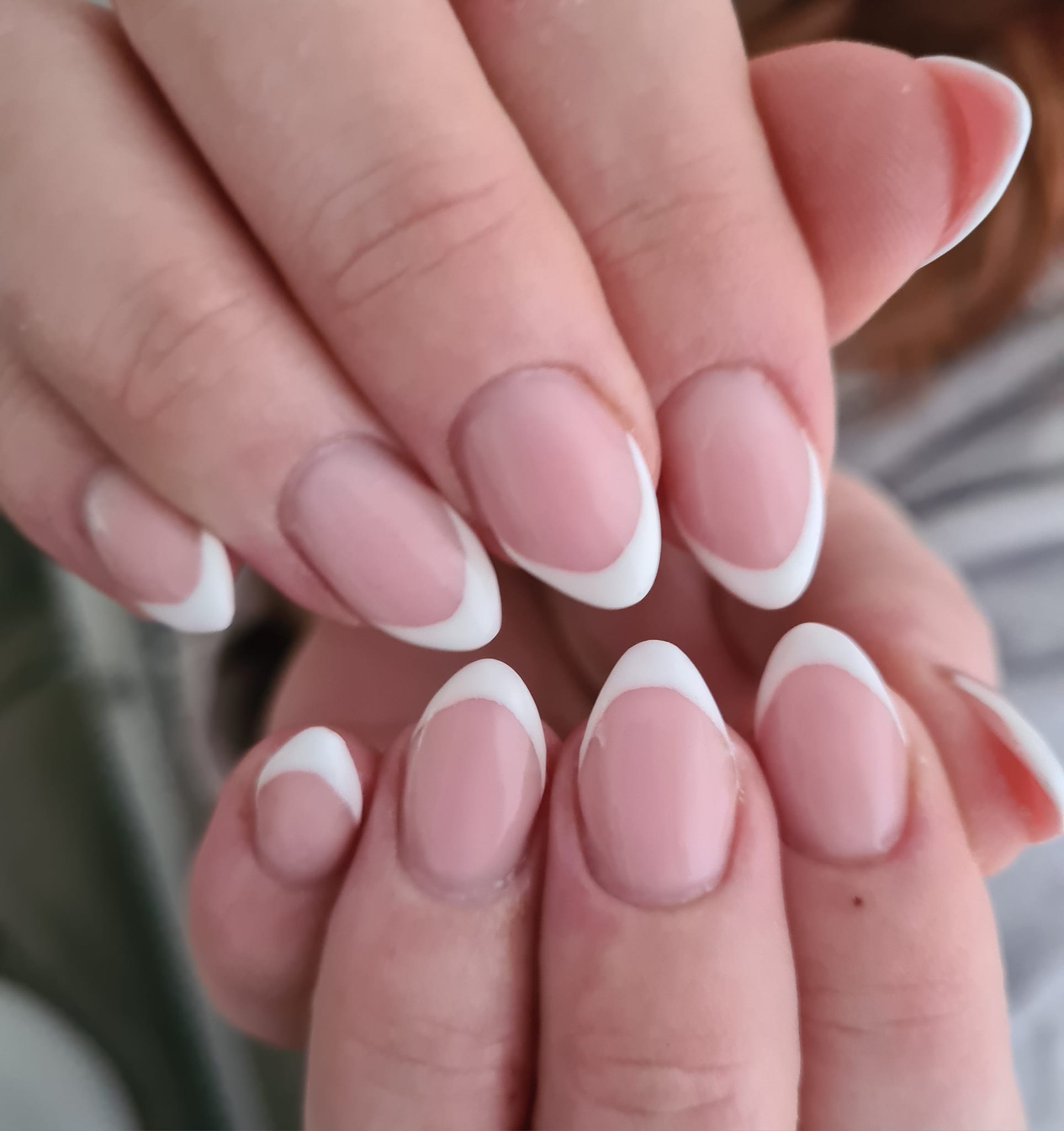
French Tips: A Timeless Classic
What are French Tips and why are they so popular? The style of the French Tip dates back to the 1930s and gained their iconic name in Hollywood in the 1970s by Jeff Pink, the creator of the French Manicure. The French Manicure was created to help screen actors speed up the process of wardrobe changes. The French Tip is a simple yet elegant style of nail, suitable for everyday wear and special occasions, making it a very practical yet fashionable choice!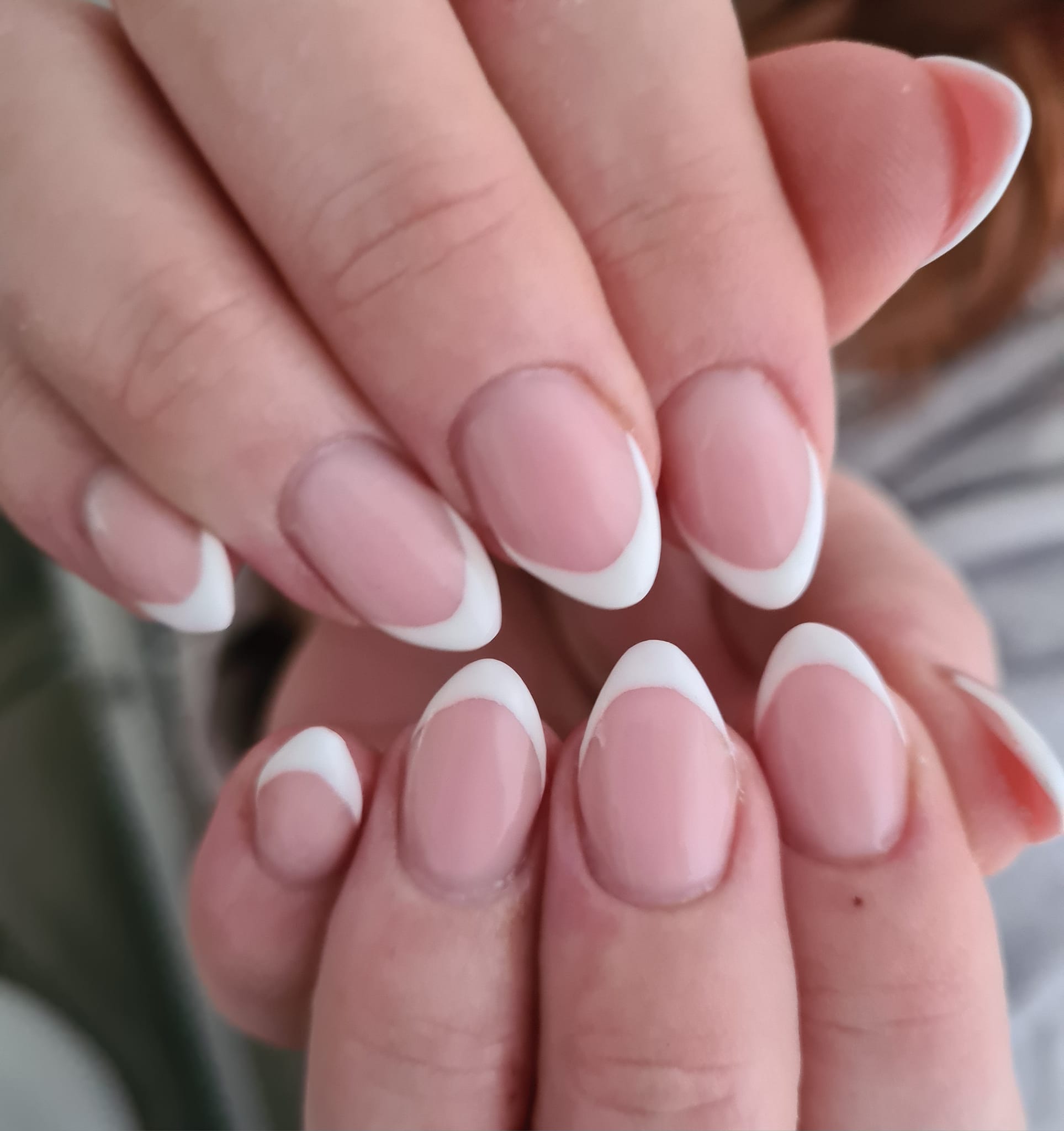
A French Tip is traditionally a nude nail with a white tip. Today, the French Manicure has been modernised with the addition of colour and glitter! Due to its popularity, this is an essential treatment in any spa or salon. Nail technicians will be able to charge between £25-£50 for this treatment. These nails are durable, long-lasting and practical, and remain incredibly stylish today!
-
Working Safely with Gel & Acrylic Nail Products to Minimise the Risk of Allergic Reaction
A BBC report launched on 14th April 2023 highlighted a very important issue for the Beauty Industry around the dangers of products used without correct training or awareness of the ingredients of gel nail products. Understandably the launch of this report has caused panic and concern for many nail technicians, but also for many consumers who regularly receive nail treatments from nail technicians using gel nail products. Here at The Beauty Academy, we wanted to address any concerns for those who have trained with us or who are considering training with us within nail technology. We are proud to be a part of ensuring this industry can continue to grow safely, with our courses helping to contribute highly qualified, confident, and knowledgeable Nail Technicians to the UK Beauty Industry.
The BBC reported that the government’s Office for Product Safety and Standards is investigating the growing numbers of people developing life-changing allergies to some gel nail products. In a statement it said: “All cosmetics made available in the UK must comply with strict safety laws. This includes a list of ingredients to enable consumers with allergies to identify products that may be unsuitable for them.”
The BBC report stated that “though most gel polish manicures are safe and result in no problems, the British Association of Dermatologists is warning that the methacrylate chemicals – found in gel and acrylic nails – can cause allergic reactions in some people.”
Allergies are by no means a new issue and certainly not unique to the Beauty Industry, although much of the increase in reactions to gel nail products specifically occurred following Covid-19 related lockdown where many took to the use of DIY home nail kits to implement ‘self-care’ while salons were closed. With the cost-of-living crisis further driving many to seek to cut costs including spending on health and wellbeing, such as beauty treatments in-salons, the number of people using home use nail kits is now at an all-time high.
Dr Deirdre Buckley of the British Association of Dermatologists urged people to stop using DIY home kits to treat their nails. The BBC report highlighted those allergies “often occur when gels and polishes are applied at home, or by untrained technicians.
Some people have reported nails loosening or falling off, skin rashes or, in rarer cases, breathing difficulties following single or prolonged use of some gel nail products. Allergic reactions can leave sufferers unable to have medical treatments like white dental fillings, joint replacement surgery and some diabetes medications. This is because once a person is sensitised, the body will no longer tolerate anything containing acrylates.
Dr Buckley told the BBC, “If people are determined to continue with acrylate nail products, they should get them done professionally.”
The BBC report expanded “formulation of gel polishes do differ; some are more problematic than others.” The founder of the Federation of Nail Professionals, Marian Newman stated “people that buy DIY kits and do gel polish nails at home, please don’t. What should be on the labels is that these products should be used by a professional only.” Furthermore, she noted, “one of the most recognised allergens is an ingredient named Hema. To be safer, find someone who uses a brand which is Hema-free, and there are plenty of them now. If you understand what to look for, it is safe.”
Hema, also known as hydroxyethyl methacrylate, is considered the number one allergen in nail products. The hydroxyethyl methacrylate monomers polymerise the polish, setting it hard and giving it the desired ‘shiny’, long lasting finish. Advancements in technology and product chemistry has meant many gel and acrylic nail product brands are now able to produce the same desired results from their products with vastly reduced amounts of Hema within their products, or even with entirely Hema-free formulations being launched. Hema-free gel polish formulas do not include the tiny Hema molecules that can enter the skin and cause allergies. Instead, they may contain larger molecules that do not penetrate the skin and are not reactive under UV/LED light.
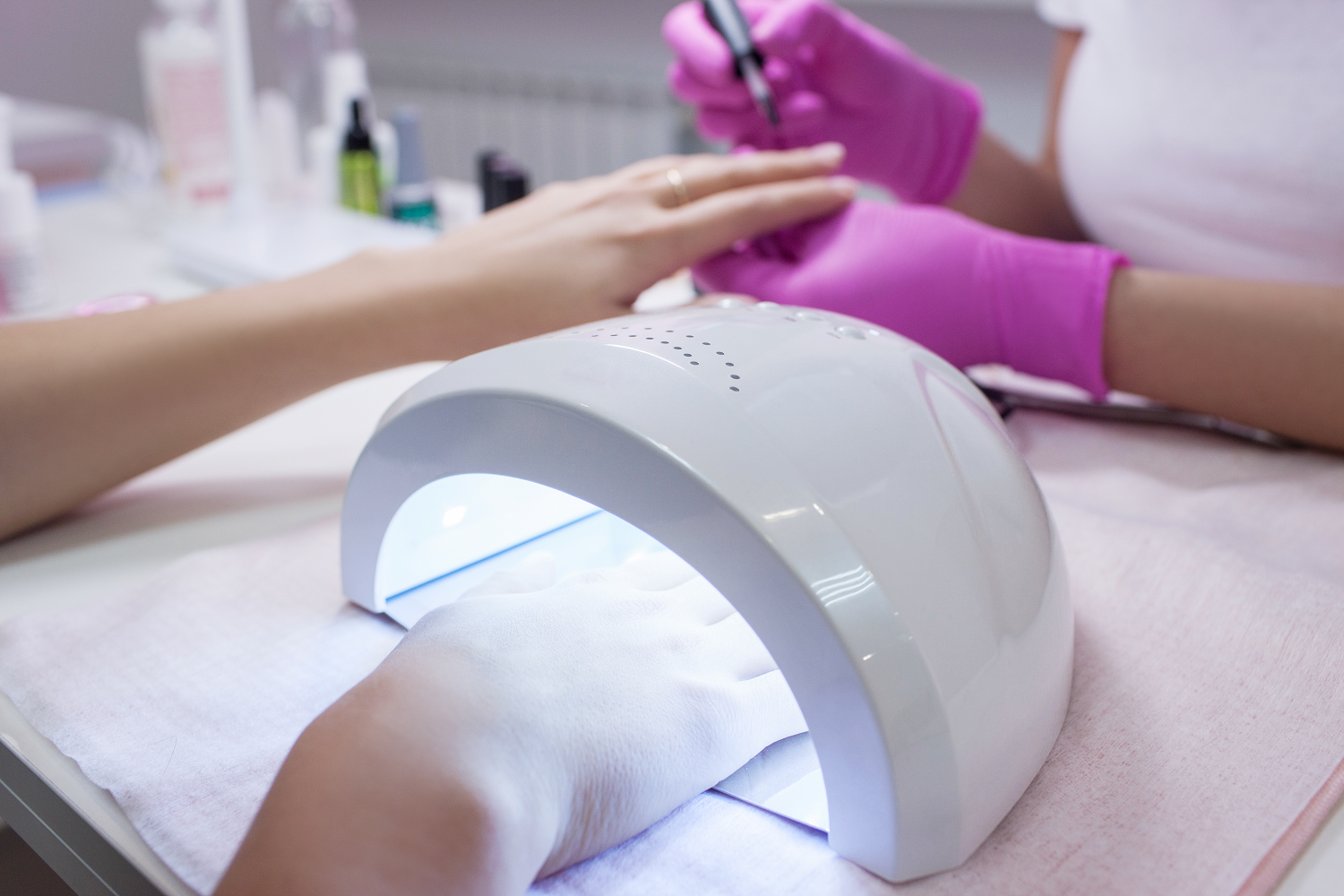
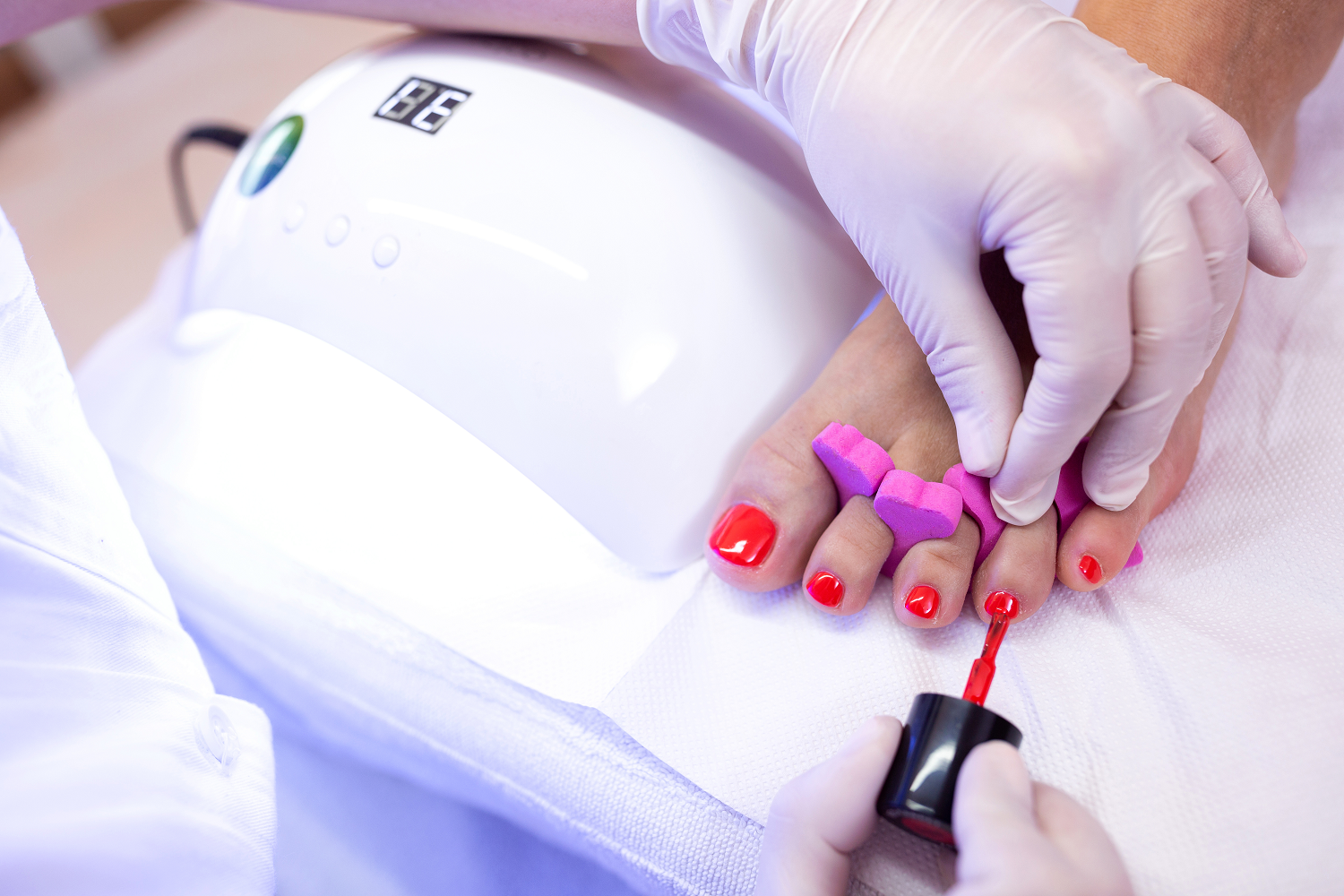
Gel nail products, unlike traditional air-drying nail polish products must be dried or ‘cured’ under a UV or LED light for the correct amount of time to ensure the product has hardened fully. Not all nail lamps will fully or correctly cure all gel nail products. The lamp must be at the correct wattage or light wavelength or the acrylates (the group of chemicals used to bond the gel to the natural nail), do not dry properly, penetrating the nail bed and surrounding skin, potentially causing irritation and allergies.
There are many steps which can be taken by a trained nail technician to help minimise the risk of an allergic reaction occurring or developing over time through repeated exposure, and it is important to be aware of these and communicate these steps clearly to reassure your nail clients that you are taking every possible precaution to keep both themselves and you safe!
- Use Hema-free products wherever possible.These are ideal for those who have sensitive skin/nails, known nail product allergies or are at risk of allergy due to overexposure to Hema-containing nail products. Purchase products from a trusted, professional source ensuring they are tested to EU standards to ensure safety.
- Use the correct nail lamp for your system. Undercured gel product is the leading cause of gel nail product allergies. Lamps should be matched to the system you’re using to ensure a full cure. If you cannot afford to have multiple lamps for the different brands of products you stock, simply cut back and focus on having the full product line and corresponding lamp as recommended by the gel brand manufacturer to match your gel products. Also ensure your lamp remains clean inside, wiping any remanent product from the sides / UV bulbs or LED diodes to ensure your lamp works as expected.
- Use the full brand of products. Do not mix and match your products within treatments, make sure your base, colour and topcoats are all from the same brand / manufacturer and cured using the recommended lamp for the brand. With acrylic products, ensure you are using monomer (liquid) with the same brand of acrylic powder. Products are tested rigorously by the manufacturer for safe and effective results when used together.
- Do not touch uncured products. Product on the skin can leads to allergies, whether that occurs through shaping a gel or acrylic brush with your fingers, wiping product off the skin with your finger, touching skin around the nail with your nail brush during application, applying too much product so this overflows the nail plate into nail folds, or leaning on the tissue where you’ve wiped excess product. Liquid tape can be used around client’s nails if concerned about product getting onto client’s skin. Take care when removing the tacky inhibition layer on gel to avoid touching this or wiping onto client’s skin.
- Perfect your powder to liquid ratio when working with acrylic. Monomer liquid can contain Hema. Ideally use Hema-free monomer liquid (see suggested brands below) but it is also important to ensure you are effective with your acrylic bead ratio as applying a bead of acrylic that is too wet will not cure correctly and may mean product spills over onto the skin increasing risk of allergy. Also ensure your bead size is not too large, work to the 3-zone technique.
- Protect yourself. Good quality, nitrile gloves that are at least 8mm thick are essential for nail technicians working with gel and acrylic products. This helps keep your skin free from repeated exposure to products on your skin. Gloves should be changed after every client. Wash hands before and after every treatment. Clients should be given hand sanitizer to cleanse hands at the start of treatment, then advised to wash with soap and water immediately after treatment to remove any potential stray product. Many nail techs wear a face mask, such as a KN95 rated mask as these are tested to prevent dust, chemical and particle inhalation.
- Keep your workspace clean and dust free.Wipe over the nail desk after every client using a damp microfibre cloth to help collect any dust (ensuring you wear gloves) and then sanitise using usual antibacterial sprays. Any couch roll that has been used to wipe excess product onto should be placed in a lined pedal bin (with lid) and the bag disposed off after every treatment. Salon ventilation is essential so that dust and vapours in your working area are extracted, or pass through a three-stage filter system, such as a source capture system.
- Patch Testing. You might think it wise to patch test nail products, however given that nail products containing methacrylate are not intended to go on the skin, it is not advisable to carry out any kind of patch testing as this can lead to unnecessary skin exposure to products. Given this, it is better practice to simply ensure you are working safely and avoiding skin contact with every nail treatment than trying to devise a patch testing process.
Summary
Gel and acrylic nail treatments can be considered perfectly safe provided they are carried out by a professional, trained nail technician using professional use nail products from a reliable source, where tested to EU standards. Precautions should be taken to ensure risks are minimized to avoid contact with uncured products on the skin and ensure products are used safely to manufacturer’s recommendations and with the correct lamp for full curing.
It is important to ensure your knowledge and skills are completely up to date to ensure you are following industry best practice on the safe application of gel and acrylic nail products. If it has been some time since your training, you may wish to update your skills with our online or classroom courses to boost your confidence.
By visibly demonstrating confidence in your safe practices, being seen to go above and beyond to keep your clients safe; they will be reassured to continue receiving their favourite nail services. You may wish to produce a salon policy outlining the steps you take to minimise risks of gel nail product allergies, to help promote the professional services you offer.
It is fantastic news that the government is working towards better standards and awareness within the beauty industry for the safety and benefit of all!
-
The Magic of E-Filing
Once nail salons are able to reopen (hopefully in August), we’re certain you wonderful nail techs will be packed out with clients wanting to restore their nails to former glory. We can imagine some of the nail extension horrors you may encounter and clever client scheduling will be key to fitting everyone in. But what else can you do to speed up your nail treatments to maximise your earning potential while additional safety measures are in place? Our blog this week looks at E-Filing…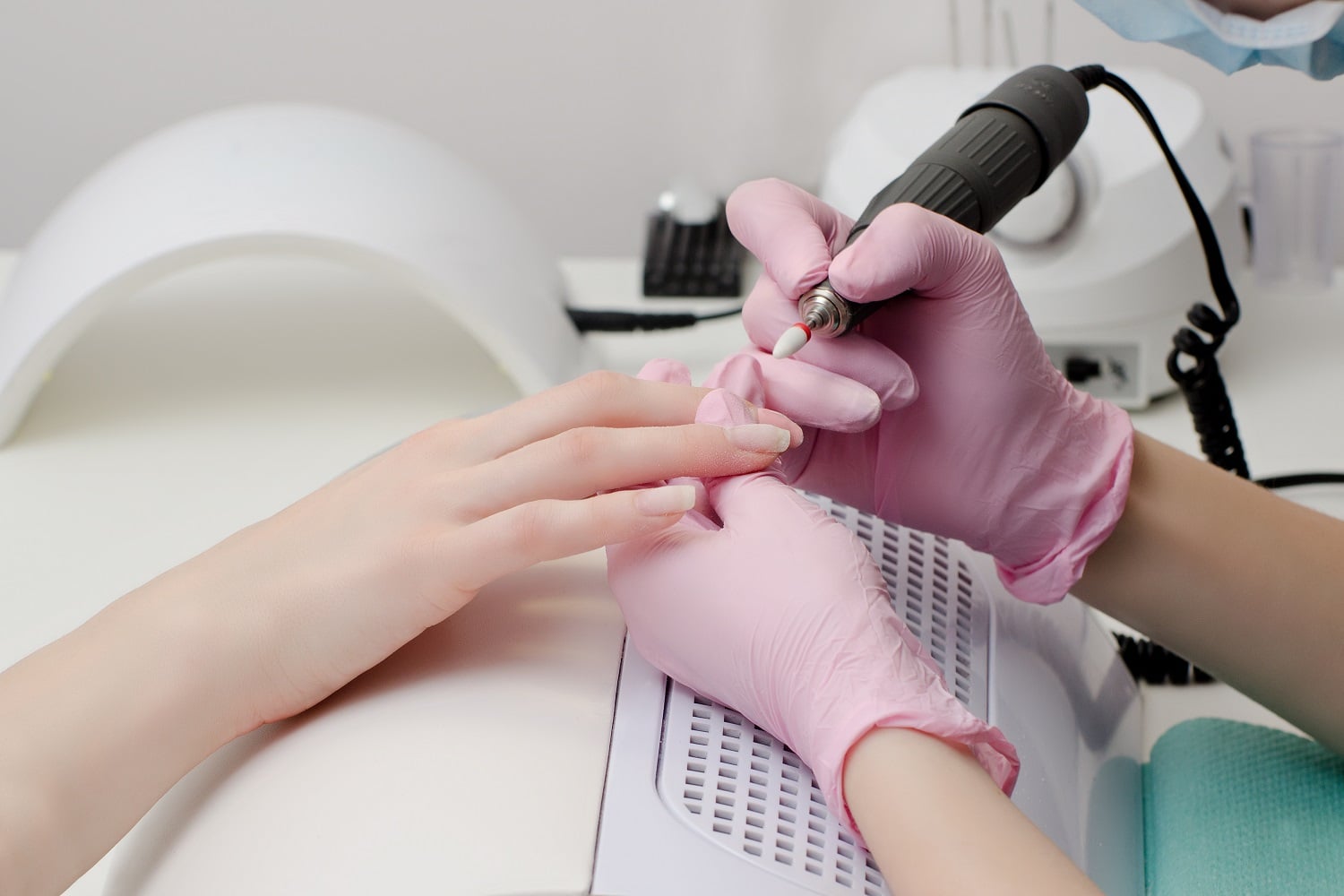
What is E-Filing?
It is surprising to hear how many nail techs are not fully aware of e-filing and how it works. E-Filing is use of an electric nail file to speed up the time taken working on nail extensions. It can be used on both acrylic and UV Gel nail extensions to help finish and refine the product, to help with speeding up a maintenance or removal treatment such as to reduce the length of the extensions, take our excess bulk when rebalancing and to help with product removal (usually alongside use of acetone soaking). Experienced nail techs may also use an electrical file on natural nail plates (often called a Russian manicure), although specialist advanced training is required for this and not all insurers will cover this.
E-Filing helps to reduce the amount of manual filing required to speed up your treatments, give more even finish for better quality nail results and can help to reduce the risk to the nail technician long term of an RSI (repetitive strain injury) or aggravating of conditions like Carpal tunnel or arthritis. Quicker treatments allows you to fit in more clients so boost profitability but is also great for time pressured clients, who often want a quick and effective treatment.
Can anyone train to use an E-File?
We offer courses in E-Filing which can be completed through our Online Student Portal and are accredited by IPHM. The course teaches you to utilise an electric nail file when working on acrylic or hard gel nail extensions. We do not cover use on a natural nails as most clients prefer use of manual files on natural nails for a safer, more comfortable treatment. We will also soon be launching a Classroom based training option. The E-Filing courses are suitable for anyone who has completed a recognised training course in Acrylic or UV Gel Nail Extensions and ideally also within Manicure & Pedicure. If you are looking to train within these skills also, you may wish to look at our Online Nail Training course packages, Virtual Academy Nail Courses or Classroom based training. The courses are suitable for those recently qualified or who have been working within nails for some time.
The Main Perks
Incorporating E-Filing into your nail skills will be invaluable, especially once rushed off your feet post-lockdown. You will be able to;
- Offer quicker nail extension treatments including for maintenance and removal.
- Fit in more clients each day to maximise your earnings
- Offer better results in your nail services than with manual filing alone
- Reduce the strain on your precious hands and wrists from less manual filing
- Reduce the amount of nail files within your kit, great for mobile therapists
- Metal E-file drill bits can be easily and more thoroughly sterilised, offering a much more hygienic service
- E-Files can be picked up affordably and are usually guaranteed for at least 12 months making a great investment
Still have questions? Why not contact our friendly team for more advice on the best training option for you?
-
How to Care for your Nail Products
As every good nail technician knows, you can only ever be as good as your tools allow. Once training is completed, the next biggest cost and one which will be ongoing throughout your career is the cost of your nail products and tools. To be successful in business you must reduce costs where possible by correctly using, storing and cleaning your products and tools. Our blog this week focuses on the essential know-how to do just that!Your nail brushes whether gel or acrylic are like your magic wands for creating beautiful nails. Finding the right brush for you can take many attempts and so when you find a favourite, it is vital you keep it in tip top condition to get the most from it, for as long as possible.
Top tip: Never use the same brush for different products / nail systems. Not only will you not get best results but may contaminate your products which could be hazardous or increase the risk of allergic reactions for clients. It will also reduce the shelf life of your products.
- For acrylic brushes, you will typically be using a natural hair brush and so the best thing to clean it with is your monomer liquid. Allow the brush to soak in a small amount of monomer within a glass dappen dish while finishing off the clients nails to avoid product setting hard into bristles. Brush cleaners typically use acetone as a main ingredient which will dry out natural brushes and may cause them to close their tight shape but are best used only to remove hardened acrylic. Follow this with use of little soap, rinse then soak for 2 hours in monomer to help the brush reset into shape.
- For gel brushes, these are typically from synthetic, nylon fibres. Wipe excess gel product off using a lint free wipe and store out of direct sunlight to avoid the product setting hard on the brush. Ideally seek out brushes with an incorporated cap to protect the bristles and prevent exposure to sunlight during storage. Wipe any sticky residue from the handle using the gel cleanser product (inhibition layer remover) but never use this on bristles to avoid drying them out.
Top tip: Always store brushes in a suitable case to avoid contamination with nail dust or other products but don’t put brushes away until they have fully dried. Reshape brush bristles while still damp.
Storing your products safely and hygienically is hugely important to not only ensure you are working to professional standards and getting the best from your products, without risking infection for your clients but to also avoid wastage and ensure you are considering COSHH at all times. COSHH stands for control of substances hazardous to health. This includes all nail products such as UV Gel, monomer, acetone, nail prep and dehydrator products and any cleaning products such as brush cleaners, surface sanitisers and chemicals like barbicide.
- It is important that any chemicals that may be hazardous to health if misused or from accidental contact, or otherwise flammable, are stored in labelled packaging in a locked metal cabinet; with access only by those suitably trained to use.
- You should also consider the risks of incorrect disposal e.g. never putting chemicals like acetone down the drain. Excess acetone for example should be soaked up using couch roll and then disposed immediately in a sealed bin bag placed directly into a metal bin with lid and placed into suitable salon waste disposal (usually general waste) as soon as possible.
- Ensure you decant only a small amount of products to be used at a time such as monomer liquid and powders, using a dappen dish to avoid cross-contamination. Never work directly from the product tub. Decanting a small amount also reduces the vapours present from the product when working to avoid breathing issues and/or headaches etc.
- Return the lids to all products immediately once no longer in use to avoid risk of dust contaminating your products and avoid spillage.
- Keep all UV activated products such as gel polish away from direct sunlight and always away from your UV lamp when working as exposure will begin the curing process, setting the product hard or at least reducing its efficacy and shelf life.
Top tip: always use a clean lint free wipe dampened with a very small amount of acetone to clean around the top of UV Gel polish or builder gel bottles / tubs before replacing the lids to keep these airtight, prevent these from setting stuck tight and allowing you to work cleanly from these on next use.
Key Points…
- Replace product lids/caps once no longer required
- Decant only a small amount of product at a time as applicable e.g. never work directly from acrylic powder tubs
- Always clean brushes once finished using
- Avoid use of brush cleaners, use monomer for acrylic or gel cleanser for UV Gel before product sets hard
- Use acetone only to remove hardened product but seek to avoid this where possible with prompt cleaning
- Store brushes away from nail dust in a case or drawer away from exposure to nail dust / daylight
- Select the right tools – natural hair brush for acrylic, nylon bristles for UV Gel
- Reshape bristles while damp and don’t put away until they are dry from cleaning
Upgrade your Nail Tech skills with our Recognised Online Training Courses, Accredited Fast Track Training or even consider an Internationally Approved VTCT Qualification. Learn more by clicking below…


