aesthetics

  • Scottish Government to launch Non-surgical Procedures Bill – What does it means for England?

    Scottish Government to launch Non-surgical Procedures Bill – What does it means for England?

    On 18th March 2026, the Scottish Parliament passed the Non-surgical Procedures and Functions of Medical Reviewers (Scotland) Bill, which will form a new framework to regulate Non-surgical cosmetic treatments and aims to tackle client safety concerns. The Bill is expected to come into force in Scotland in September 2027, but what does this mean for those delivering aesthetics treatments in England?

    Key points of the new legislation for Scotland are:

    • Age Restriction: It will be illegal for under 18s to receive certain cosmetic procedures such as dermal fillers or stronger chemical peels, addressing concerns around the pressures young people face via social media to undergo procedures that may have physical or psychological impacts upon them immediately or in future.
    • Approval Only for Licensed Healthcare Professionals: Only those registered with regulated UK bodies such as doctors, dentists, nurses, midwives, pharmacists, physiotherapists and other allied health professionals will be permitted to perform non-surgical procedures (or to otherwise oversee suitably qualified professionals to act under their direction to deliver treatments), within an approved premises.
    • Restrictions on Premises: Procedures will only be able to be carried out in โ€˜permitted premisesโ€™ as defined by the Bill such as medical settings or registered clinics. It is likely mobile based therapists and the like working on a casual basis will no longer be accepted.
    • Enhanced Powers: Healthcare Improvement Scotland will have new powers to inspect premises delivering non-surgical procedures and intervene where practices are found to be unsafe.
    • Powers to Extend Regulations: The Scottish Government will have powers to amend the list of regulated procedures, define who can perform them, qualifications they will require to perform treatments and how compliance can be enforced.

    The Scottish Bill will cover non-surgical procedures that can or will:

    • pierce or penetrate skin
    • not provided as part of NHS healthcare
    • not delivered for medical treatment purposes
    • not already licensed under the Civic Government (Scotland) Act 1982

    Examples of treatments which may come under enforcement of the Scottish Bill (although this is subject to further extension once the legislation becomes law in 2027):

    • Ablative laser treatment
    • Stronger chemical peels that penetrate deeper than the epidermis (outer layer of skin) so considered high-risk
    • Dermal microcoring
    • Injectable procedure (excluding tattooing)
    • Intravenous procedure
    • Licensed procedure carried out with prescribed anaesthetic
    • Licensed procedure carried out on an intimate area (except non-ablative laser hair removal)
    • Microneedling 1.5 mm or deeper

    Under the new legislation Healthcare Improvement Scotland (HIS) will have powers to:

    • Enter premises non-surgical procedures are suspected of being provided illegally
    • Search premises / seize equipment or records to gather evidence
    • Act against unregistered premises or unauthorised practitioners

    The penalties for breaking the legislation are:

    • Fine up to ยฃ2,500 for unlicensed practice
    • Fine up to ยฃ1,000 for failing to notify authorities of major changes in circumstances
    • Additional sanctions for breaching licence terms or providing misleading information
    What impact does this new Bill have for those delivering these treatments in England?

    Currently there is no definite confirmed plans to introduce a similar Bill to England or Wales.

    While this new legislation is a welcomed step in the right direction by many to ensure safety for clients receiving aesthetics treatments, with the beauty industry long behind other industries that have had tighter consumer protection for many years; some fear this will make it difficult for qualified non-medical beauty professionals to continue in the aesthetics industry and some critics fear it may even create pressure or demand for treatments delivered โ€˜undergroundโ€™ outside of legislation or due to potential rising costs when such treatments become clinic-only based treatments, many clients may seek treatments overseas for a lower cost.

    Until the legislation becomes law in 2027, it is hard to be sure of the exact impact of these changes and the Bill will give the Government powers to amend requirements and enforcement as they see fit.

    Given that the Government in England has no confirmed plans as yet to bring in such legislation, this means there are no immediate requirements for those delivering these treatments in England to make any changes to their practice and they can continue to practice as they do currently.

    It would be wise to take stock of your current business practices, ahead of expected greater client concerns and scrutiny to ensure continued client confidence in your setting and treatments; such as to:

    • Look at your guidance information provided to clients to ensure it is comprehensive.
    • Review practices on health and safety in your setting to ensure you are working to the highest standards.
    • Review your insurance and licensing obligations to ensure you are meeting all requirements.
    • Collate and provide evidence of the qualifications / credentials of those delivering treatments in your setting, recent environmental health inspections and insurance, which is available to clients / potential clients to provide reassurance of your high standards of training.
    • Take opportunities to advance your training where necessary and possible, such as refresh your practical training or develop greater theoretical knowledge to best advise your clients, upskill where you can with OFQUAL regulated qualifications (if not already held). While no specific qualifications have been indicated in the Scottish Bill for non-medics currently, it may be beneficial to still complete this for your setting.
  • How to achieve Glass Skin?

    How to achieve Glass Skin?

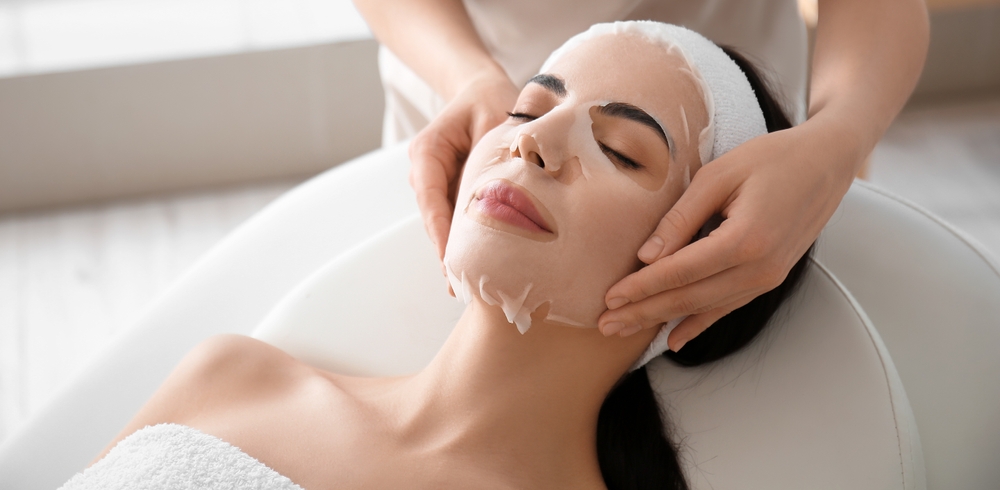
    Glass skin is everywhere right now as clients seek to achieve a fresh, ‘better than natural’ aesthetic. The glass skin trend evolved in the K-beauty scene deriving from Korea. It refers to skin that is smooth, flawless and luminous with a sheen that literally resembles glass. The look is achieved through a skincare regime that prioritises intense hydration, exfoliation, and nourishment to create a radiant, pore-less finish that appears as refined and reflective as glass. Many people opt to go make up free once they have achieve the glass skin look for their skin to help maintain the clarity of their skin. Note that creating the full translucence and refinement of the skin this look requires, also requires clients to be healthy from within both in their water intake, diet and lifestyle choices. Now let’s look at how to begin achieving this look…

    Step 1: identifying your skin type and condition

    This is vital to ensuring the products you are using will meet the needs of your skin. Skin can only be perfected when the products used remedy the concerns or provide the support the skin requires to look and feel its best. For example if you have dehydrated skin, this is down to a lack of water but this can cause the skin to overproduce sebum to compensate so understanding this will help you pick products with the right formulation and active ingredients to effectively hydrate your skin,

    Step 2: Cleansing

    You want to be using a cleanser formulated for your skin type. Oil or gel cleansers work well as part of a glass skin regime as they effectively remove environmental pollutants from the pores but donโ€™t strip the skinโ€™s natural oils when used daily. A double cleanse (cleansing your face twice) works best for thoroughly cleaning the skin. For your second cleanse, a foaming cleanser such as CeraVe Foaming Facial Cleanser works well.

    Step 3: Exfoliation

    Exfoliation helps remove dead skin cells and blockages from the pores, revealing the newer, more radiant skin cells beneath. This also allows moisturising products to be better absorbed. To avoid irritation or creating tightness in the skin, it is recommended to exfoliate only once or twice per week. Use a gentle chemical exfoliator such as Neogen Dermalogy Real Cica Pad.

    Step 4: Use a Toner

    Toners help to reduce pore size, restore the pH (acid mantle) of the skin after cleansing to avoid irritation or tightness of the skin. They also help further products such as serums to be better absorbed. Avoid toners containing alcohol or witch hazel to avoid drying out the skin, which is the opposite of what the glass facial seeks to achieve.

    Step 5: Try an Essence

    Essence products are water-based products that add moisture to the skin. They are becoming popular with the K-beauty trendsetters as they deliver potent ingredients to the skin for anti aging, hydrating, healing and soothing properties that make them suitable for almost all skin types. One product well recommended is Then I Met You The Giving Essence.

    Step 6: Hydrate with Serums

    This step is about applying serums tailored to your specific skin needs to actively improve the skinโ€™s condition and appearance through greater hydration. Serums containing Vitamin C, Vitamin E, and Hyaluronic Acid will all be effectively absorbed by skin that has now been thoroughly cleansed and exfoliated. Some products have been formulated to combine the most useful active ingredients such as Peach & Lilyโ€™s Glass Skin Refining Serum which is great for oily or acne prone skin, whereas The Ordinary 100% Plant-Derived Squalane is a natural oil that is greater for drier skin types.

    Step 7: Lock in moisture with a moisturiser with SPF

    Seal in the benefits of your chosen serum or oil, using a high quality moisturiser. One product highly recommended for glass skin results is Origins GinZing Energy-Boosting Gel Moisturiser as it is quickly absorbed into skin but leaves it feeling supple without any sticky or oily residue. Moisturisers which contain SPF benefits are great as an all-rounder to also help protect skin from the effects of sun damage, otherwise be sure to apply an SPF with a protection factor of 15 or above at least once daily.

    Step 8: Weekly Maintenance with Masks

    Once a week you want to use an exfoliating mask such as one formulated with 10% glycolic acid and around 1% salicylic acid. Alternatively a clay mask works well to deeply cleanse the skin. This works well for those prone to oilier skin or blemishes, but is equally kind to dry or sensitive skin to shed dead skin cells and keep the skin feeling smooth. Youโ€™ll also want to follow this with a once weekly hydrating face sheet mask such as Original Glow Sheet Mask is great to leave skin feeling plumped, fresh and radiant.

    Natural steps to achieve glass skin from the inside out include:

    • Avoid excessive sun exposure.
    • Eat blueberries which are high in anthocyanins which are high in antioxidants and avocados which are high in oleic acid which are a healthy fat that helps fight inflammation. Eating cold water fish such as salmon or tuna which are high in Omega-3 fatty acids are also great for maintaining healthy skin.
    • Drinking plenty of water and avoiding alcohol, caffeine, smoking and environmental pollution will also help keep skin looking its best.
    • Regular sleep is essential for skin renewal and avoiding dull skin or dark circles undereye.

    Learn the essential skills to work in skincare, providing therapeutic treatments to your clients (and earning up to ยฃ100 per treatment) with our Accredited Coursesโ€ฆ

  • What is Dermaplaning?

    What is Dermaplaning?

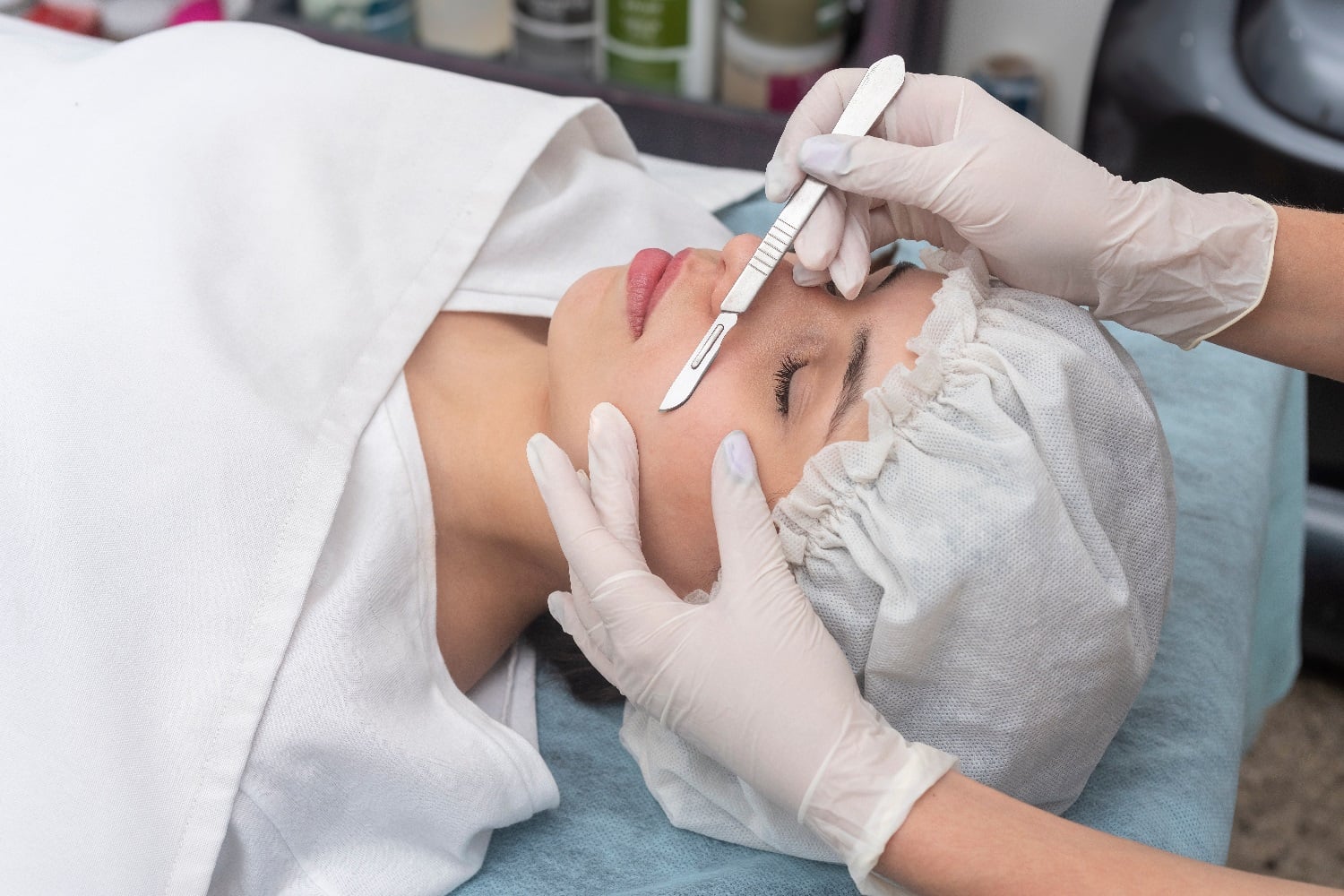
    Dermaplaning is one the most convenient facial treatments to treat skin imperfections. Using a surgical blade the therapist will remove peach fuzz, reduce the appearance of blemishes and other flaws that could be dulling the complexion. Dermaplaning can be used alongside other aesthetic treatments allowing products to penetrate much deeper into the skin and achieving an enhanced result, for example the reduction of lines, wrinkles and scars. The treatment does not use any chemicals and is not invasive, making it safe for majority of clients including pregnant and lactating women.

    How does Dermaplaning Work?

    The surgical scalpel will gently remove dead skin cells, revealing brighter, fresher and more luminous skin. With continuous treatments it will ensure old and damaged skin cells are removed, creating a healthier skin with a brighter complexion and a smoother appearance.

    6 Benefits of Dermaplaning

    1. Removes dead skin cells instantly. Dead skin cells are the number one reason for dull-looking skin. Often more abrasive treatments are used to remove the dead skin cells such as microdermabrasion. Dermaplaning treatment removes dead skin cells by exfoliating them away, revealing the youthful skin underneath.
    2. Say Goodbye to Peach Fuzz. Removing the vellus hair or peach fuzz will reveal smoother skin. The hairs hold onto dirt and oil all which can trigger breakout activity or acne. Removing this hair ensures make up application is cleaner and sharper and also products penetrate deeper into the skin and you use less products!
    3. An All in One Treatment Dermaplaning can help with lots of skin problems. This includes improves a dull complexion, facial hair and uneven skin tone. Dermaplaning is a painless treatment with minimum downtime, making it a go to treatment!
    4. Instantly Smoother Skin. Dermaplaning will provide an instant result! After just 1 session skin will look brighter and feel smoother.
    5. Its Non-Invasive and Safe for Mums-to-be! Dermaplaning is an effective treatment that is safe for both pregnant and breast feeding women (subject to no underlying health conditions being present).
    6. Enhance Natural Beauty. After a few treatments of dermaplaning skin will be brighter, look fresher and outbreak activity will be reduced as it helps to keep skin dirt and oil free and also restores skin health and maintains a more youthful appearance.

    Dermaplaning costs from ยฃ40 upwards for a 45 minute treatment depending on your demographic area so you can easily boost your earnings with these popular skincare treatments!

    Start your journey into aesthetics with our ABT accredited training course:

  • Getting Started with Online Courses

    Getting Started with Online Courses

    Updated 1st November 2024. Achieving a recognised beauty qualification couldn’t be easier with our Accredited Online courses. Learn at your own pace, in your own time and start your own business! If you’re new to Online Courses this blog will be a useful guide through getting started with your Online Course. Person studying an online course on a laptop

    What’s Involved

    Our online courses are completed through our industry leading, user friendly Online Student Portal. You receive access to a wealth of high quality learning resources, written by beauty professionals including comprehensive e-manuals and detailed step by step video demonstrations. You can watch the videos as many times as you need. We include fun multiple choice online tests which are great for checking your understanding and can be retaken instantly, as often as you need to pass. When you feel ready, you will practice on friends / family or training hand / head as relevant to the course. You need to provide evidence of 3 case studies which are submitted easily by email and assessed against industry standards to ensure your proficiency with the treatment skills. Individual feedback to help you improve and you simply resubmit as needed until you are at a successful level to achieve. Typically students complete these courses within 2-6 weeks (committing around 2-10 hours per week to study), although you have 12 weeks to access the course resources on the portal should you need to go slower. Students can take up to 12 months to email over their case study evidence for certification, so plenty of time to practice your skills to full confidence.

    The Student Portalย 

    Once you have registered for your course you will receive an email with your link to access the Student Portal. The Student portal can be accessed through desktop, tablet and phones. If you are using a tablet or phone there is an app available to download, simply visit the App Store and search SAP LITMOS. When prompted for a domain enter: thebeautyacademy followed by your log in details. We recommend your first point of call when you log in is the additional resources tab in your course, here you will find your practical case study materials, including consultation and feedback forms. Save this pdf file to your device or print for use when ready to start practising.

    Guidance on Case Studiesย 

    You will receive a detailed list of required products and equipment as part of your online course resources. Optional, selected kits are available to purchase through our website. Other beauty wholesale companies are available such as Salon Services or websites like Amazon, to allow you to source basic items to get started. Courses are not brand-specific so you can use any brand / supplier you prefer for case studies. When you have completed your case studies email in to [email protected] and attach your before and after photos along with your client consultation form and feedback form for each treatment required. Your case studies will be evaluated with your certificate and/or feedback provided by email within no more than 7 working days.

    Getting Started Once Qualified

    Once you’ve achieved your online course certificate(s), you can purchase public liability (beauty treatment) insurance to begin offering your services to paying clients. We do not provide insurance ourselves but recommend several leading insurers. You can find more about our recommended insurers on our website. You’ll already have your products from completing your case studies. You’ll need a brand for your business – a solid name and logo. You also need to decide what basis you want to work on – from home, mobile etc. You’ll also need to register for self-assessment if starting your own business with HMRC for tax reasons. You will also need to keep records of any income earnt and any costs (along with receipts). You may want to seek advice from an accountant to get this set up initially. If you’re new to running a business, you may find our Starting a Business in Beauty Course useful. For marketing, you’ll need to set up social media profiles on Instagram, Facebook and even Tiktok to begin promoting your beauty business. You can also get word of mouth promotion by networking with other local businesses (e.g. hairdressers, wedding suppliers etc.) or local organisations (schools, parents groups, charities etc.) to promote your services, perhaps with an open evening offering taster treatments or gift vouchers for raffle prizes. You may want to print some business cards and a price list to share with them. Always remember to take before / after photos of your results to share online and encourage clients to share their lashes or nails on social media tagging you to help gather word of mouth. It will take a little time and patience to build a loyal client base. It is recommended to promote discounted block bookings for a course of treatments or encourage clients to book their next treatment before they leave each appointment. This helps plan future business and get your appointment diary full. Gift vouchers are also a great way to get some initial income flowing, especially around seasonal events like Mother’s Day or Christmas. If you need help with your selling skills, you might like to consider our Sales Skills for Beauty Course. From client feedback you gauge what future treatments you might like to learn and offer, taking on further Online Courses as required to develop the skills to keep your business going from strength to strength. Typically it takes around 6-24 months to establish a new business. For inspiration, why not take a look at some of our previous students’ success stories.

    See a sample of our Online Student Portal & Quality Course Content